
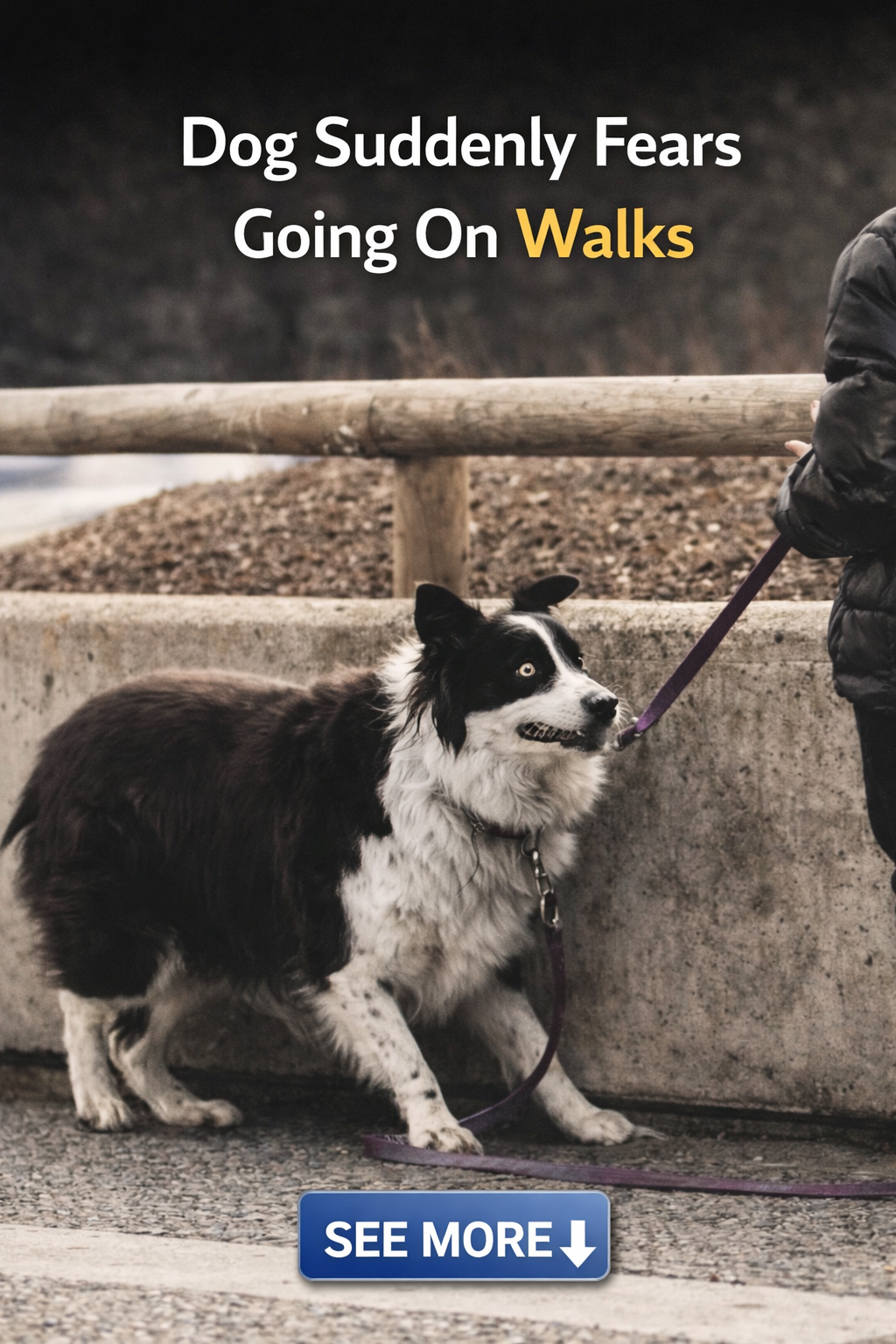
If your dog suddenly refuses to go on walks, freezes at the door, or tries to pull back home, it can be alarming—especially if they previously loved walking. This change in behavior is usually a sign of fear, pain, or a negative experience, not stubbornness.
Understanding what triggered the fear is the first step toward helping your dog feel safe again.
🦴 Common Reasons Dogs Suddenly Fear Walks
1. A Scary Experience Outside
Dogs have strong memories. One bad moment can change how they feel about walks, such as:
-
A loud noise (fireworks, thunder, car backfire)
-
Being startled by another dog or person
-
Slipping, falling, or being injured
Even if it seemed minor to you, it may have felt overwhelming to your dog.
2. Pain or Physical Discomfort
Dogs may avoid walks if walking hurts due to:
-
Joint or muscle pain
-
Paw injuries
-
Back or neck issues
If fear is paired with stiffness, limping, or reluctance to move, pain should be suspected.
3. Anxiety or Sensory Overload
Busy environments can overwhelm some dogs:
-
Traffic
-
Crowds
-
Construction noises
Dogs with anxiety may suddenly decide walks feel unsafe.
4. Changes in Environment or Routine
New elements like:
-
Construction near your home
-
New neighbors or dogs
-
Changes in walking route
can trigger fear even in confident dogs.
5. Leash or Equipment Issues
A collar or harness that:
-
Rubs
-
Pinches
-
Causes pain
can make dogs associate walks with discomfort.
🐕 Signs Your Dog Is Afraid (Not Disobedient)
-
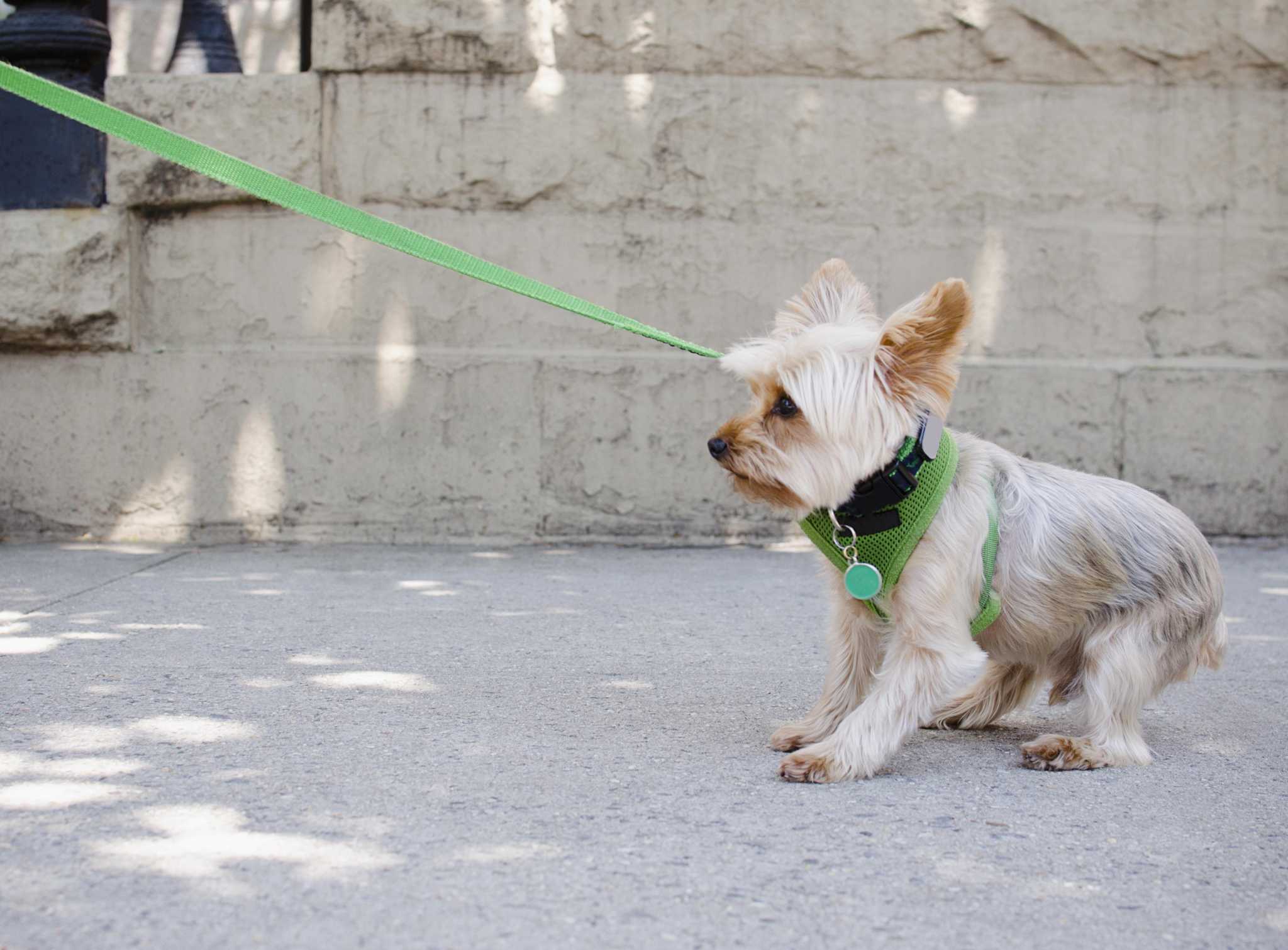
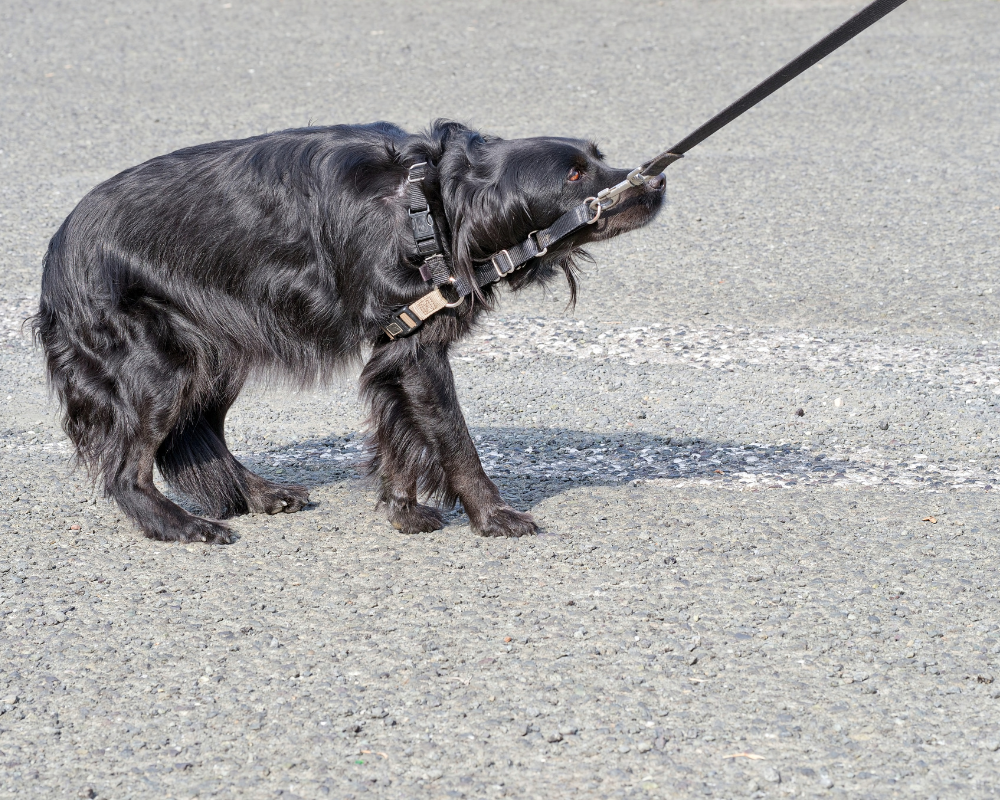
Freezing or pancaking on the ground
-
Pulling back toward home
-
Trembling or tail tucked
-
Heavy panting or wide eyes
-
Refusing to move despite encouragement
These are fear responses—not “bad behavior.”
🏠 How to Help Your Dog Feel Safe Again
✅ Don’t Force the Walk
Dragging or pulling increases fear and breaks trust.
Let your dog choose the pace—even if that means stopping early.
🧠 Rebuild Confidence Slowly
-
Start with short trips just outside the door
-
Reward calm behavior with treats and praise
-
Gradually increase distance over days or weeks
🛠️ Check Equipment and Health
-
Inspect paws and nails
-
Try a different harness or collar
-
Schedule a vet visit if pain is suspected
🌿 Choose Calm Times and Routes
Walk during quieter hours and avoid busy areas until confidence returns.
🚑 When to See a Veterinarian or Trainer
Get professional help if:
-
Fear appears suddenly and intensely
-
Your dog refuses all walks
-
Pain or limping is present
-
Anxiety worsens instead of improving
Early intervention leads to faster recovery.
🐾 Final Thoughts
A dog that suddenly fears walks isn’t being stubborn—they’re trying to tell you something feels wrong. With patience, gentle exposure, and careful observation, most dogs can relearn that walks are safe and enjoyable again.