
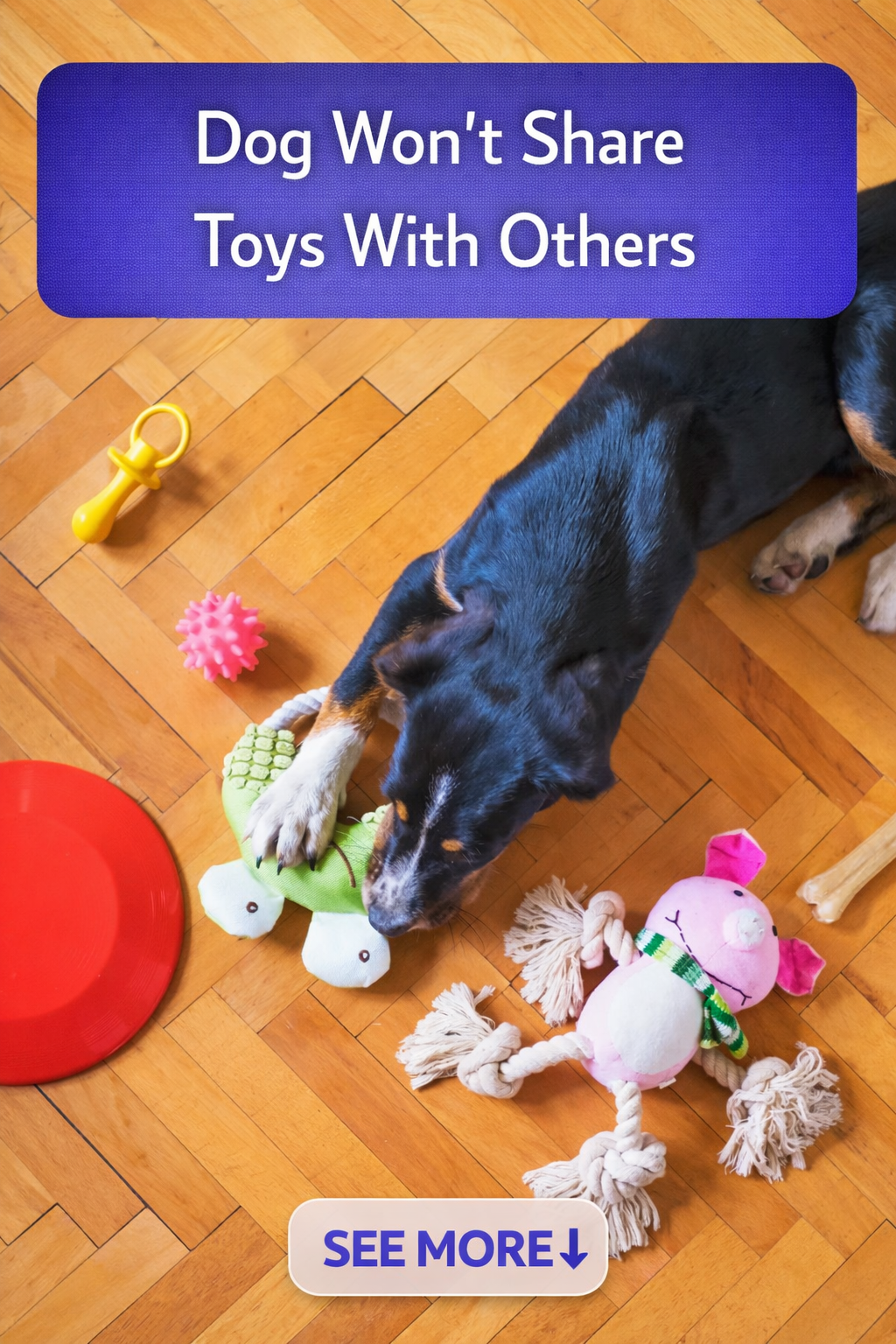
If your dog guards toys, growls, grabs them away, or refuses to let other dogs play, this behavior can range from normal preference to resource guarding—and knowing the difference matters. Sharing doesn’t come naturally to many dogs, but conflict around toys can escalate if not managed correctly.
This article explains why dogs won’t share toys, when it’s normal vs. concerning, and how to handle it safely.
What This Behavior Looks Like
You might see your dog:
-
Snatching toys away from other dogs
-
Hovering over toys or carrying them constantly
-
Growling, snapping, or stiffening when approached
-
Blocking access to toys
-
Playing fine until toys appear
👉 The key clue is tension or aggression linked specifically to toys.
Why Dogs Don’t Share Toys
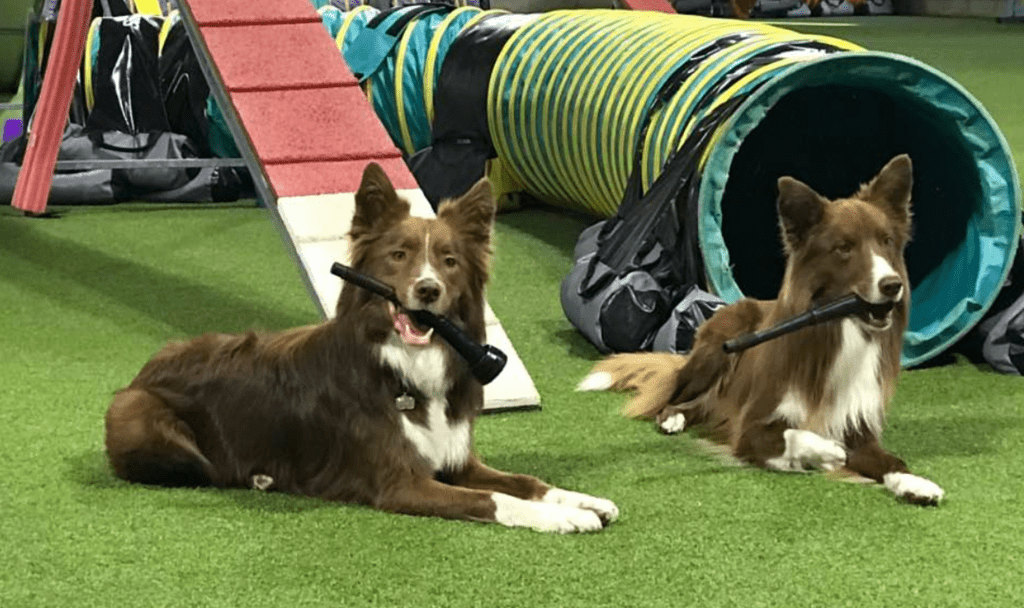
1. Resource Guarding (Most Common)
Dogs naturally protect valuable items.
-
Toys = high-value resources
-
Guarding can include stiff posture, growling, snapping
This is instinct, not bad behavior—but it needs management.
2. Insecurity or Anxiety
Dogs who feel unsure may guard more.
-
New environments
-
New dogs
-
Past experiences with competition
Guarding helps them feel in control.
3. Over-Arousal During Play
Excitement lowers impulse control.
-
Fast movement
-
High-energy games
Even friendly dogs can become possessive when overstimulated.
4. Learned Behavior
If guarding worked before:
-
Other dogs backed off
-
Humans intervened
The dog learns guarding gets results.
5. Personality & Preference
Some dogs:
-
Simply prefer solo play
-
Value toys more than social interaction
Not all dogs enjoy sharing—and that’s okay.
When This Is Normal vs. a Problem
✅ Usually Normal
-
Mild possessiveness without growling
-
Carrying toys away
-
Choosing not to play
🚨 Needs Attention
-
Growling, snapping, or biting
-
Escalating intensity
-
Guarding causes fights
-
Happens with people as well as dogs
Safety comes first.
What You Should Do Right Now
Manage the Environment
-
Pick up toys during group play
-
Separate dogs when toys are present
-
Use toys only for supervised, structured play
Management prevents rehearsal of bad behavior.
Avoid Forced Sharing
❌ Don’t take toys away to “teach a lesson”
❌ Don’t force dogs to share
This often worsens guarding.
Teach Trade, Not Share
Train:
-
“Drop it”
-
“Leave it”
-
Reward giving up toys with something better
This builds trust and choice.
Reward Calm Behavior Around Toys
-
Praise relaxed posture
-
Treat for choosing not to guard
-
Interrupt early signs of tension
Choose Appropriate Playmates
Some dogs do best:
-
One-on-one
-
With dogs who don’t care about toys
Matching play styles reduces conflict.
How Trainers Address Toy Guarding
A professional may:
-
Identify triggers
-
Create controlled setups
-
Use desensitization and counterconditioning
-
Teach impulse control
Severe guarding should be addressed with professional guidance.
Can Dogs Learn to Be Relaxed Around Toys?
Yes—most dogs improve significantly with:
-
Proper management
-
Clear boundaries
-
Consistent training
The goal isn’t forced sharing—it’s peaceful coexistence.
Final Takeaway
If your dog won’t share toys, it doesn’t mean he’s “mean” or “dominant.” It means toys are valuable to him—and he doesn’t feel safe enough to let them go.
🐾 Respect the instinct, manage the environment, and teach calm alternatives. That’s how real progress happens.