
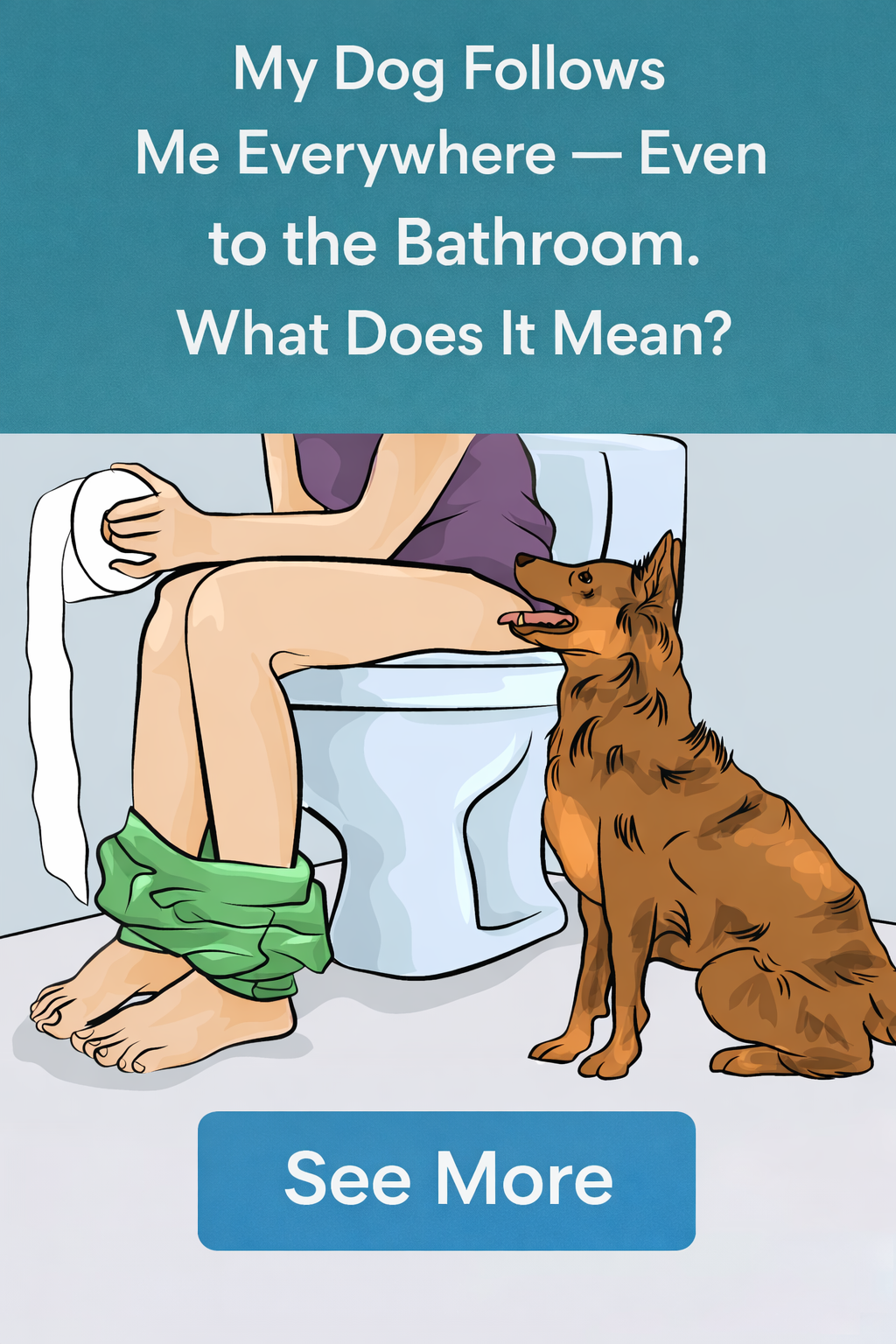
If your dog shadows you from room to room, waits outside the bathroom door, or squeezes in with you whenever possible, you’re not alone. Many owners joke about having a “bathroom bodyguard.” But while this behavior can be sweet, it can also signal emotional needs that shouldn’t be ignored.
This article explains why dogs follow their owners everywhere, when it’s normal affection, when it points to anxiety, and how to help your dog feel secure without being dependent.
What Does This Behavior Look Like?
You may notice your dog:
-
Following you into every room
-
Waiting outside (or inside) the bathroom
-
Lying at your feet constantly
-
Getting up immediately when you stand
-
Watching you closely at all times
-
Becoming uneasy when you’re out of sight
The key question is: does your dog feel calm—or distressed—when separated from you?
Why Dogs Follow Their Owners Everywhere
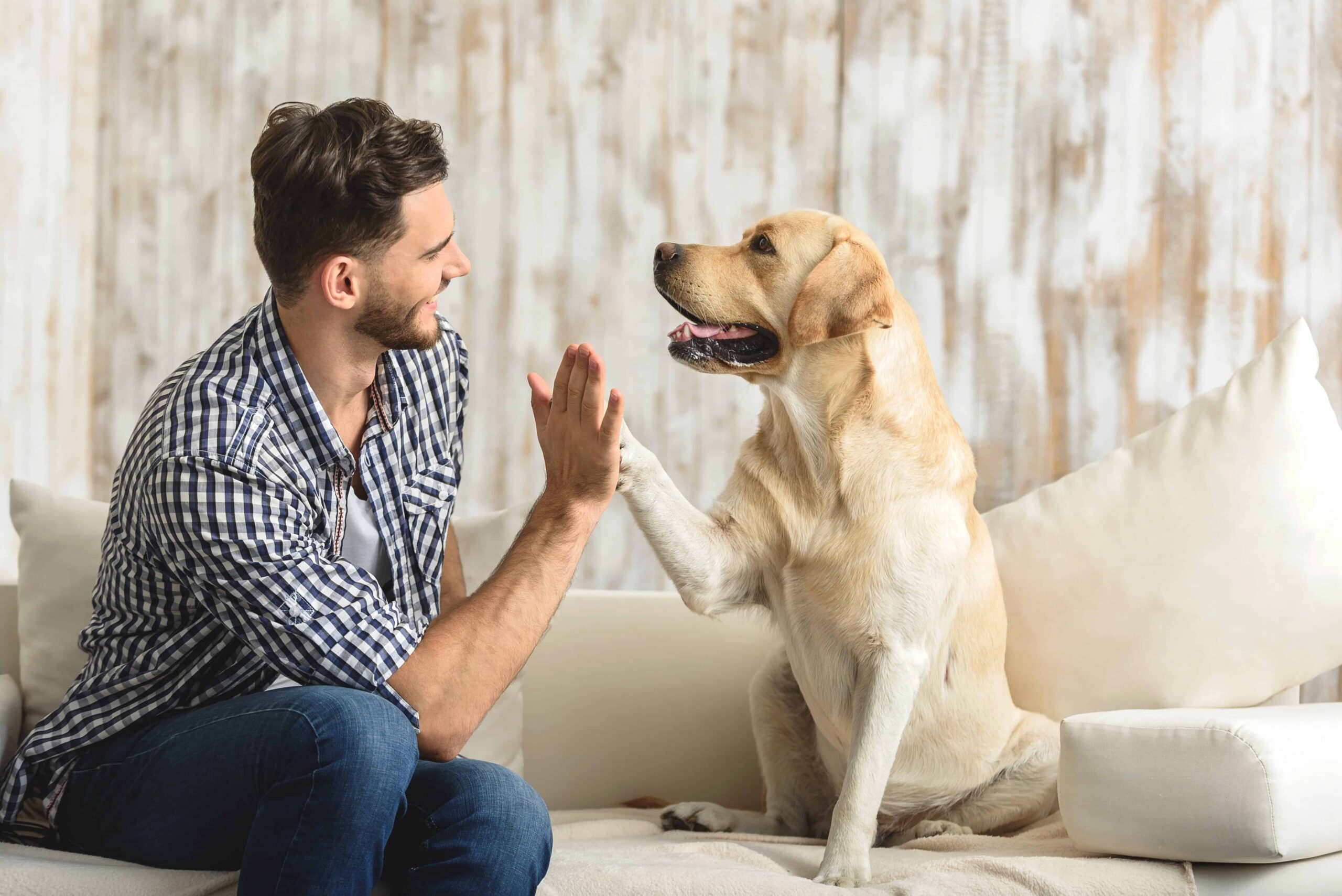
1. Strong Bond and Affection (Very Common)
Dogs are social animals.
-
You’re their favorite person
-
They feel safest near you
-
Some breeds are naturally “Velcro dogs”
✔ If your dog is relaxed and confident, this is usually normal and healthy.
2. Learned Habit
Dogs are excellent pattern learners.
-
You give attention when they follow
-
You talk, pet, or interact
-
Following becomes rewarding
Over time, it turns into an automatic behavior.
3. Curiosity and FOMO
Dogs don’t want to miss anything.
-
Movement = possible fun
-
Bathroom = new smells, sounds
To your dog, every door might lead to something interesting.
4. Anxiety or Insecurity
⚠️ Important to recognize.
Some dogs follow closely because they:
-
Feel unsure when alone
-
Fear separation
-
Use proximity for reassurance
These dogs often show stress when you leave, not just interest.
5. Age-Related Changes
In senior dogs:
-
Vision or hearing loss
-
Cognitive decline (dog dementia)
Following you helps them stay oriented and safe.
When Following Becomes a Red Flag
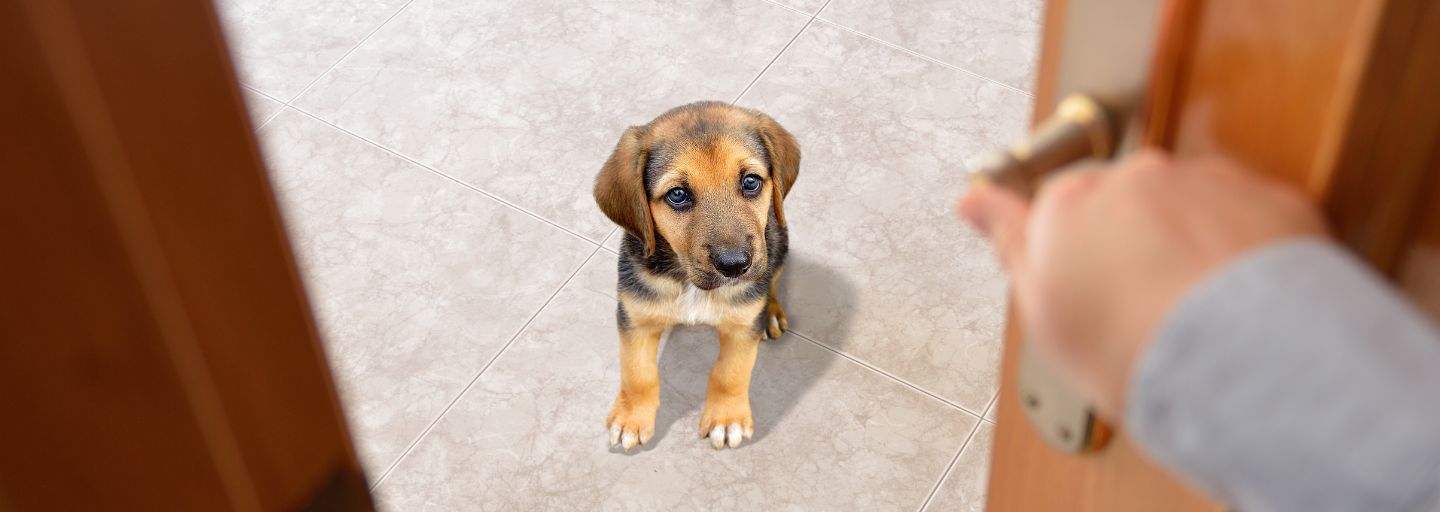
🚨 Be concerned if your dog:
-
Panics when you close a door
-
Whines, barks, or scratches when separated
-
Destroys items when alone
-
Pants, drools, or paces excessively
-
Refuses to eat unless you’re nearby
This points to separation anxiety, not simple affection.
How to Tell Affection from Anxiety
Healthy Attachment
✔ Calm demeanor
✔ Can relax alone
✔ Sleeps or plays when you’re gone
✔ Greets you happily but settles quickly
Anxiety-Based Following
❌ Constant vigilance
❌ Distress during separation
❌ Inability to self-soothe
❌ Escalating behavior over time
What You Can Do Right Now
Encourage Confidence (Not Clinginess)
-
Reward calm behavior away from you
-
Practice short, safe separations at home
-
Avoid dramatic exits and returns
Create Safe Independence
-
Comfortable bed or crate
-
Enrichment toys or chews
-
Predictable daily routine
Meet Emotional & Physical Needs
-
Adequate exercise
-
Mental stimulation
-
Training sessions that build confidence
❌ Don’t scold following behavior
❌ Don’t force isolation suddenly
When to Seek Professional Help
Contact your vet or a certified behaviorist if:
-
Anxiety signs are intense
-
Behavior worsens over time
-
Your dog cannot cope alone at all
Treatment may include:
-
Behavior modification
-
Anxiety-reducing strategies
-
Medication in severe cases
Early help prevents long-term emotional distress.
Final Takeaway
If your dog follows you everywhere—even to the bathroom—it often means love, trust, and bonding. But if that closeness turns into distress or panic when you’re apart, it’s time to look deeper.
🐾 A confident dog loves being near you—but also knows how to feel safe without you. Helping them learn that is one of the kindest things you can do.