
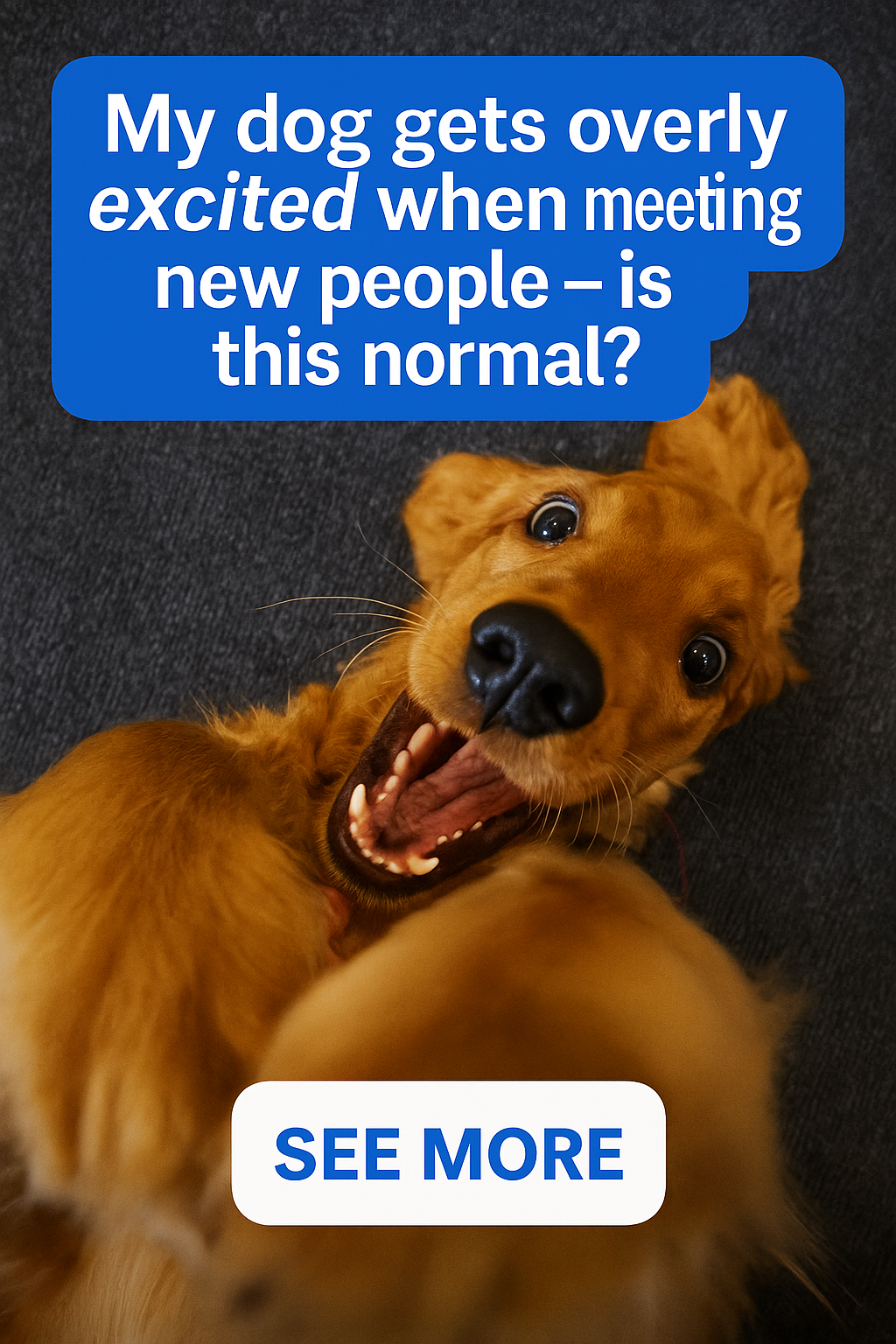
Does your dog jump, bark, spin, whine, or completely lose control every time a new person appears? While enthusiasm can be charming at first, overexcitement during greetings can quickly become stressful, unsafe, or embarrassing—especially if your dog struggles to calm down.
The good news? This behavior is very common and usually fixable once you understand why it happens.
This article explains why dogs get overly excited meeting new people, when it’s normal vs. problematic, and how to help your dog greet calmly and safely.
What Does “Overly Excited” Look Like?
You might notice your dog:
-
Jumping up repeatedly
-
Barking or squealing
-
Spinning in circles
-
Pulling hard on the leash
-
Ignoring commands
-
Mouthing hands or clothing
-
Taking a long time to calm down
Excitement that doesn’t fade after a minute or two is the key concern.
Why Dogs Get Overexcited Meeting New People
1. Poor Impulse Control (Most Common)
Many dogs simply haven’t learned how to regulate excitement.
-
Puppies and adolescents are especially prone
-
High-energy breeds struggle more
Your dog isn’t being “bad”—they’re overloaded with emotion.
2. Positive Reinforcement (Unintentional)
If people:
-
Pet your dog while they’re jumping
-
Talk excitedly
-
Laugh or engage
Your dog learns:
👉 “Wild behavior = attention!”
3. Limited Social Exposure
Dogs that don’t meet many people regularly may:
-
Overreact when they finally do
-
Treat every encounter like a major event
4. Anxiety Disguised as Excitement
⚠️ Important and often missed.
Some dogs look excited but are actually:
-
Nervous
-
Overstimulated
-
Unsure how to cope
This can escalate into jumping, barking, or frantic movement.
5. Breed & Temperament
Certain breeds are naturally:
-
Highly social
-
Emotionally expressive
-
Fast to react
This is not a flaw—just a trait that needs guidance.
When Excitement Becomes a Problem
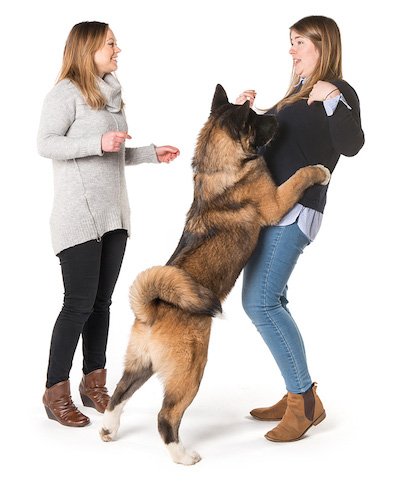
🚨 Address the behavior if your dog:
-
Knocks people over
-
Mouths hands or clothes
-
Can’t calm down after several minutes
-
Scares children or elderly people
-
Gets worse over time instead of better
Unchecked excitement can turn into frustration or anxiety.
What You Can Do Right Now
Before the Greeting
✅ Exercise your dog beforehand
✅ Keep greetings calm and predictable
✅ Use a leash indoors if needed
During the Greeting
✅ Ask visitors to ignore your dog at first
✅ Reward calm behavior (four paws on floor)
✅ Use simple cues like “sit” or “place”
✅ Keep your voice calm and neutral
❌ Don’t yell or punish
❌ Don’t allow jumping “just this once”
After the Greeting
✅ Reinforce calm settling
✅ Give a chew or calming activity
✅ End interactions before overstimulation
Training Tips That Actually Work
-
Reward calm, not excitement
-
Practice with familiar people first
-
Short, controlled greetings
-
Consistency from everyone involved
If anxiety is involved, behavioral support may be needed—not just obedience training.
When to Get Professional Help
Consider a trainer or vet behaviorist if:
-
Excitement turns into fear or reactivity
-
Your dog cannot focus at all during greetings
-
You see pacing, trembling, or stress signals
Early help prevents long-term behavior issues.
Final Takeaway
An overly excited dog isn’t rude or out of control—they’re emotionally overwhelmed. With structure, calm guidance, and consistency, most dogs learn how to greet people politely and confidently.
🐾 The goal isn’t to stop your dog from loving people—it’s to help them love people calmly.