
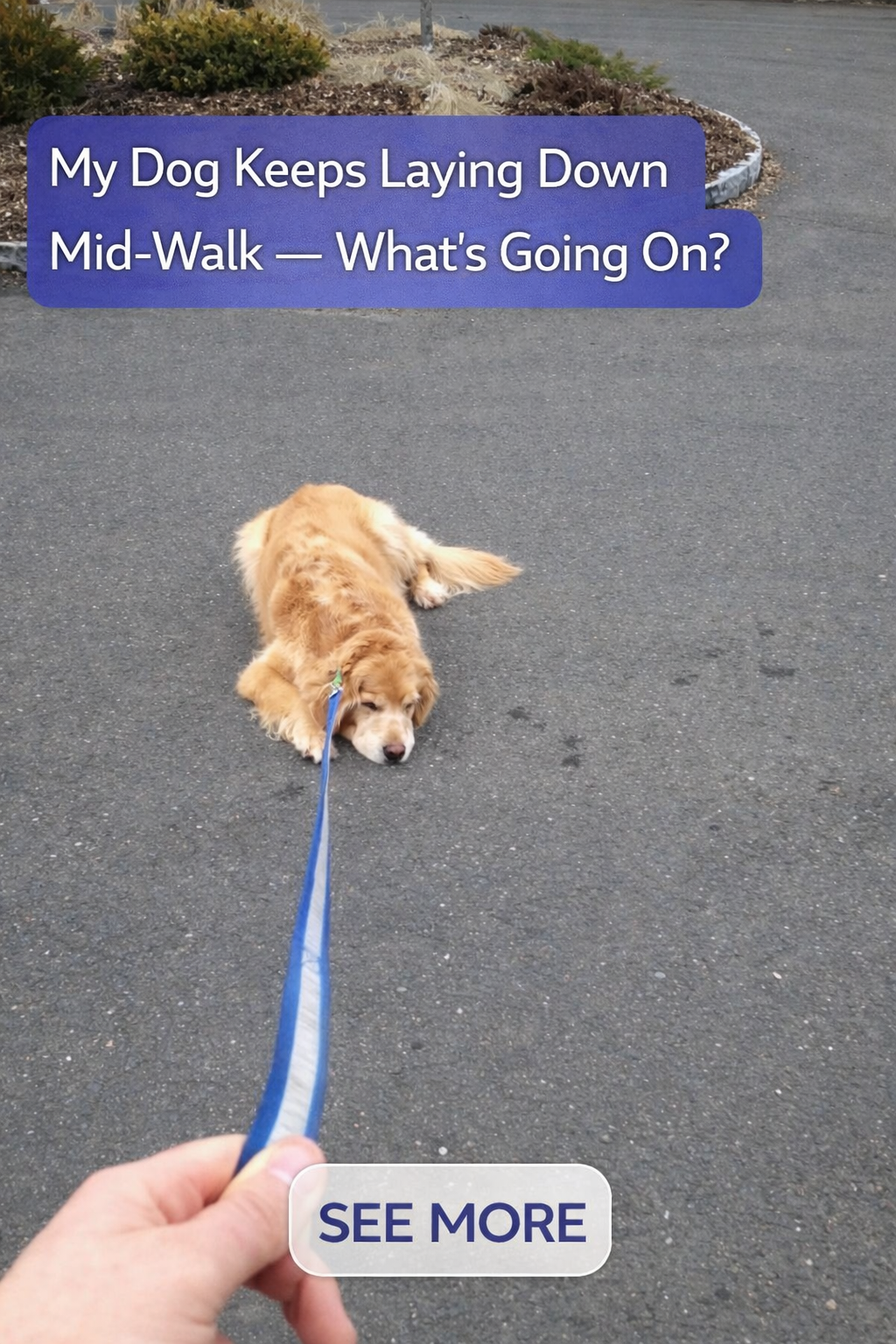
If your dog suddenly lies down during walks and refuses to continue, it can be confusing and concerning. Some dogs do this once in a while, but repeatedly laying down mid-walk usually means something is wrong—physically, emotionally, or environmentally.
This article explains why dogs stop and lie down during walks, how to tell harmless behavior from a warning sign, and what you should do next.
What This Behavior Usually Looks Like
You may notice your dog:
-
Walking normally, then suddenly lying down
-
Refusing to move even when encouraged
-
Sitting or splooting on cool ground
-
Lagging behind and stopping frequently
-
Panting heavily or acting uncomfortable
-
Wanting to turn back home
👉 The key factor is repetition, not a one-time pause.
Common Reasons Dogs Lay Down Mid-Walk

1. Overheating (Very Common)
Dogs overheat faster than humans.
-
Hot pavement or weather
-
Short-nosed (brachycephalic) breeds
-
Overweight or senior dogs
Lying down is a way to cool off and conserve energy.
2. Fatigue or Low Endurance
Some dogs simply tire easily.
-
Puppies
-
Senior dogs
-
Dogs out of shape
Sudden increases in walk length can overwhelm them.
3. Joint, Muscle, or Back Pain
Pain often shows as refusal.
-
Arthritis
-
Hip or knee issues
-
Muscle strain
Dogs may lie down instead of limping.
4. Paw Pain or Ground Sensitivity
Hot, rough, or icy surfaces can hurt.
-
Burns from hot pavement
-
Cracked pads
-
Small cuts or debris
Dogs stop when every step hurts.
5. Anxiety or Fear
Mental stress can stop movement.
-
Loud noises
-
Busy streets
-
Unfamiliar places
Some dogs “shut down” and lie down when overwhelmed.
6. Heart or Respiratory Issues
⚠️ More serious, especially in seniors.
-
Weakness
-
Rapid breathing
-
Collapse-like behavior
These dogs may appear tired very suddenly.
When Lying Down Mid-Walk Is a Red Flag
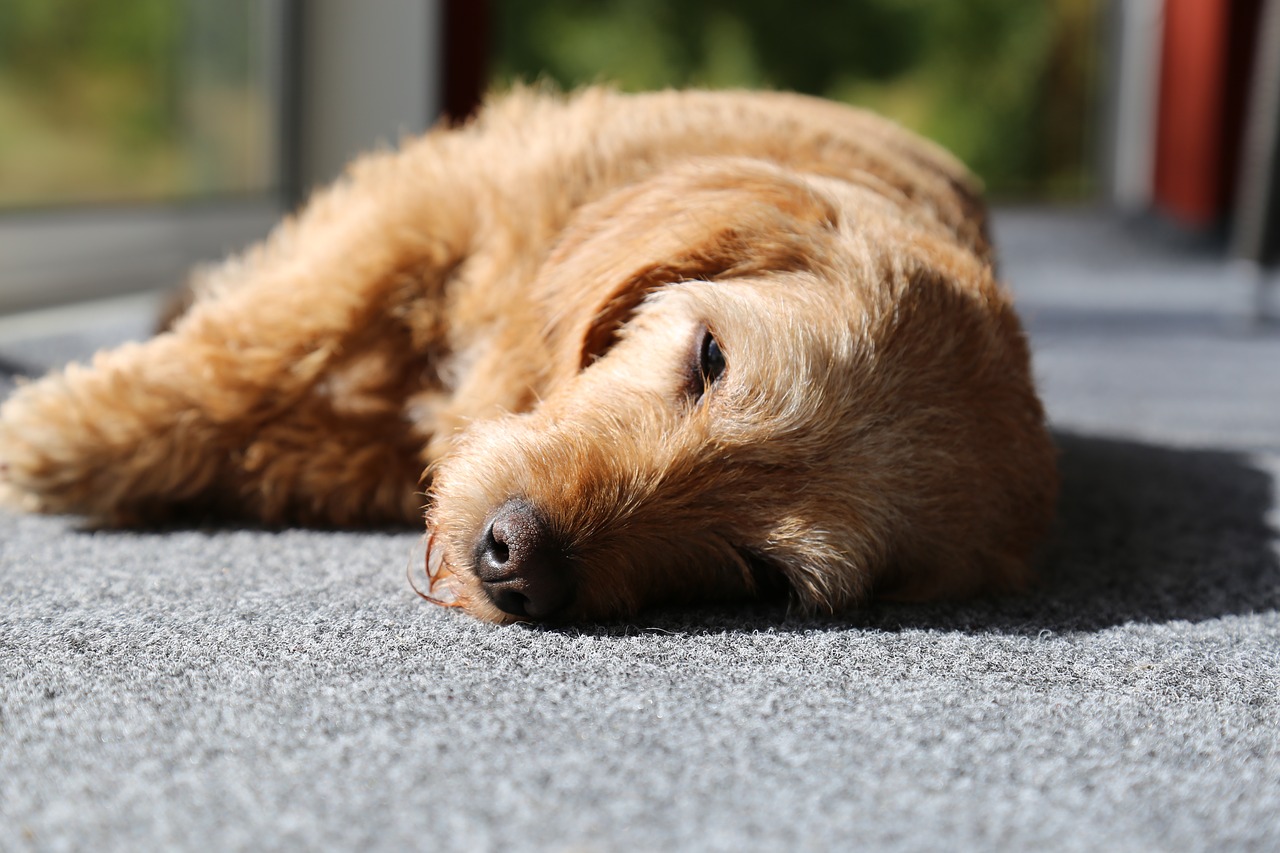
🚨 Contact your vet promptly if your dog:
-
Lies down every walk
-
Pants heavily or struggles to breathe
-
Seems weak, dizzy, or collapses
-
Refuses to get up at all
-
Cries or shows pain when moving
-
Is a senior dog with sudden changes
Sudden or worsening exercise intolerance is not normal.
What You Can Do Right Now
Check the Basics
-
Touch paws for heat, cracks, or injury
-
Look for limping or stiffness
-
Check gums (should be pink, not pale)
Adjust Walk Conditions
-
Walk during cooler hours
-
Shorten distance
-
Avoid hot pavement
-
Walk on grass or shaded paths
Let Your Dog Set the Pace
-
Take breaks
-
Offer water
-
Don’t drag or force movement
Observe Patterns
Ask yourself:
-
Does it happen only in heat?
-
Only on certain routes?
-
Only after a certain distance?
Patterns help pinpoint the cause.
How Vets Diagnose This Issue
Your veterinarian may:
-
Perform orthopedic and neurological exams
-
Check heart and lung function
-
Evaluate pain response
-
Run blood tests if fatigue is unexplained
Early evaluation prevents missed serious conditions.
Can Dogs Improve?
Yes—most dogs improve once the cause is addressed:
-
Pain control restores willingness to walk
-
Conditioning improves endurance
-
Environmental changes reduce stress
-
Medical treatment restores strength
Ignoring the behavior can allow problems to worsen.
Final Takeaway
If your dog keeps laying down mid-walk, they’re not being stubborn—they’re communicating discomfort, fatigue, fear, or illness. Listening early makes all the difference.
🐾 A walk should feel safe and enjoyable. When it doesn’t, it’s time to look deeper and help your dog move comfortably again.