
Many owners experience a confusing frustration:
Your dog knows the command.
Your dog has performed it many times.
But today… your dog looks at you and simply refuses.
This behavior is not stubbornness — it’s communication. Dogs only disobey when something in the environment, their training history, or emotional state interferes with performance.
Below is a deep breakdown of the real reasons, with realistic illustrative images.
1️⃣ Your Dog Only Understands Commands in One Context
Most dogs do not generalize commands well.
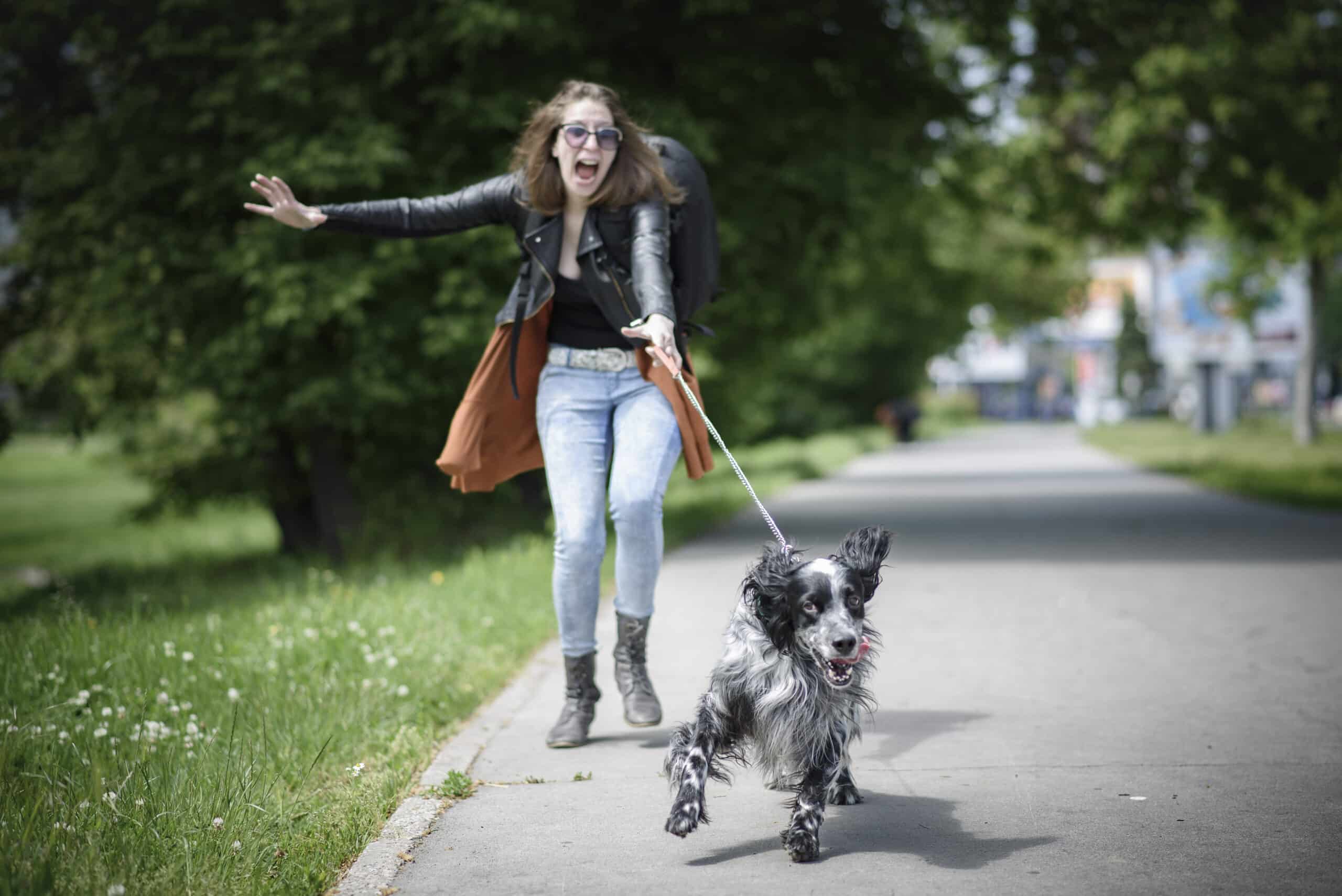
They may understand “sit” in the kitchen — but not at the park.
Why this happens
-
Dogs learn environments, not words
-
New smells and noises override training
-
The command was never reinforced in varying locations
Fix it
-
Practice in different rooms
-
Move to quiet outdoor areas
-
Slowly add distractions
2️⃣ Competing Rewards Are More Interesting Than You
Sometimes, the environment simply wins.

Common competing rewards
-
Other dogs
-
Squirrels / birds
-
Smells
-
Food on the ground
-
People
-
New environments
Fix it
-
Use high-value treats outdoors
-
Reduce distance from distractions
-
Reward the dog for attention BEFORE giving commands
3️⃣ Your Dog Understands the Command… But Not the Consequence
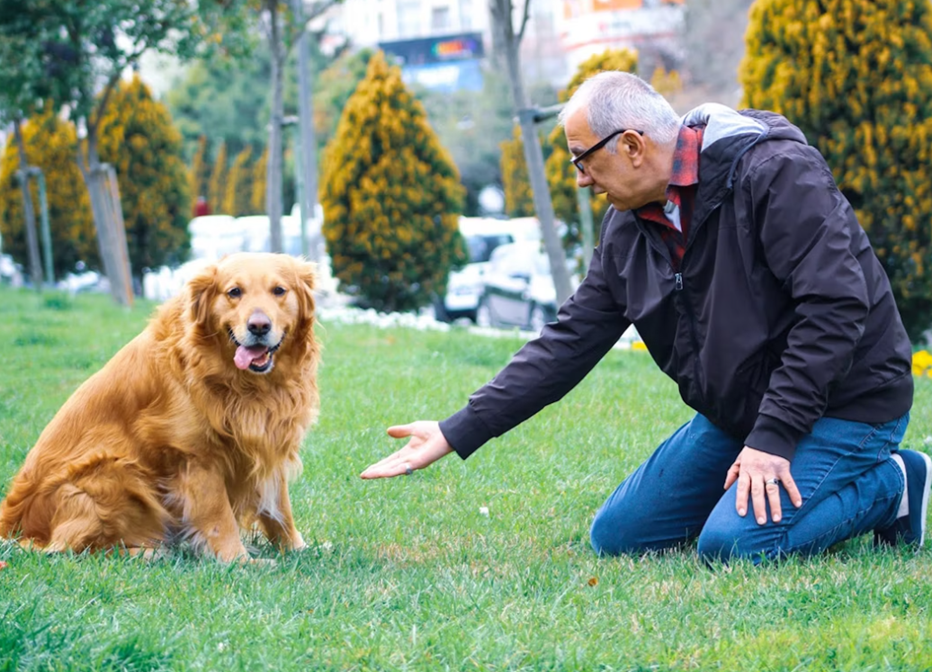
Some dogs perform commands only when they feel like it because:
-
The command was taught, but never proofed
-
The reward is inconsistent
-
The owner accidentally rewards disobedience
Fix it
-
Use consistent cues
-
Ensure the dog gets a reward every successful repetition during re-training
-
Avoid repeating the command
4️⃣ Your Dog Is Stressed, Tired, or Overstimulated
A mentally overwhelmed dog cannot obey — even if they want to.
Signs your dog is too overwhelmed to obey
-
Panting heavily
-
Avoiding eye contact
-
Sniffing the ground excessively
-
Looking away
-
Appearing “zoned out”
Fix it
-
Move to a calmer location
-
Shorten training sessions
-
Give breaks between repetitions
5️⃣ The Dog Thinks the Command Predicts Something Negative
If “Come” = end of play…
If “Sit” = nail trimming…
If “Crate” = alone time…
Your dog will refuse — not out of defiance, but self-preservation.
Fix it
-
Repair the association: call → praise → release
-
Avoid using commands before unpleasant events
-
Reward generously for compliance
6️⃣ Your Dog Was Never Taught to Respond the FIRST Time
Many owners accidentally teach delays by repeating:
-
“Sit… sit… SIT!!”
-
“Come here! Come! Come on! COME!!”
The dog learns:
The first 5 commands don’t matter. The last one does.

Fix it
-
Say the command once
-
Wait 3 seconds
-
Help the dog perform it
-
Reward
-
Repeat until the dog understands one command = action
7️⃣ The Dog Knows the Command, But Doesn’t Know It’s a Requirement
Dogs are not robots. They obey when training is:
-
Clear
-
Consistent
-
Rewarded
-
Practiced across environments
When any piece is missing, performance drops.
🎯 THE COMPLETE FIX (Simple but Powerful)
✔️ 1. Re-teach commands in low distraction settings
✔️ 2. Reward EVERY correct response during retraining
✔️ 3. Generalize the command in new locations
✔️ 4. Make training fun, fast, and rewarding
✔️ 5. Remove negative associations
✔️ 6. Stop repeating commands
✔️ 7. Use stronger rewards when distractions are high
With the right approach, obedience becomes automatic, not optional.