
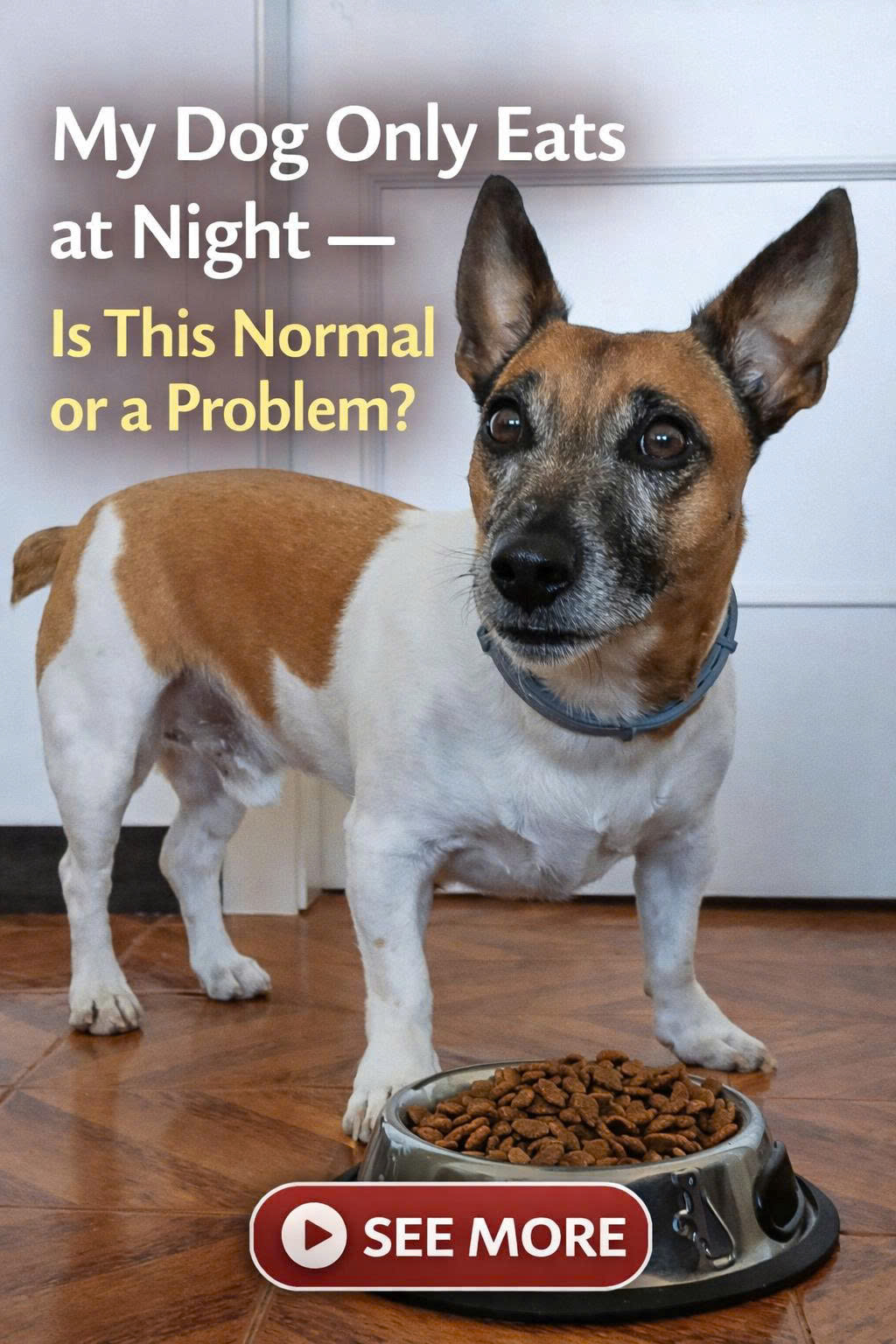
If your dog ignores food all day but eats normally once evening or nighttime arrives, this can be perfectly harmless—or it can signal stress, routine issues, or a medical concern, depending on the pattern and your dog’s overall health.
Below is a clear, practical guide to why dogs eat only at night, when it’s okay, and when you should investigate further.
What Night-Only Eating Looks Like
You might notice your dog:
-
Sniffs food during the day but walks away
-
Leaves meals untouched until evening
-
Eats calmly and fully at night
-
Maintains normal weight and energy
-
Shows no vomiting or diarrhea
👉 Consistency matters: a long-term habit is different from a sudden change.
Common (Usually Harmless) Reasons Dogs Eat at Night
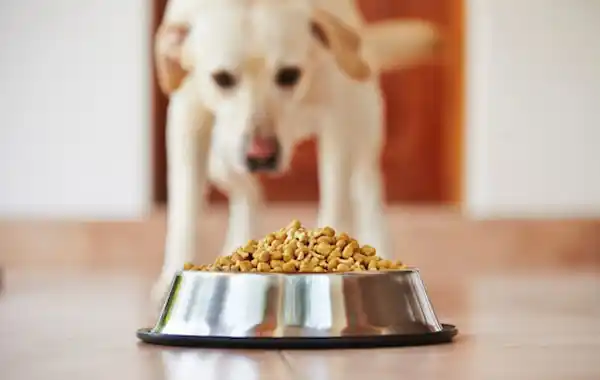
1. Quiet = Comfort
Many dogs prefer eating when:
-
The house is calm
-
No one is watching
-
There’s less noise or movement
If daytime is busy, night feels safer.
2. Learned Routine
Dogs thrive on habits.
If your dog learned early that:
-
Food appears in the evening
-
Eating late is normal
They may simply wait.
3. Temperature Preference
In warm climates:
-
Appetite drops during the day
-
Dogs eat more comfortably at night
This is common and normal.
4. Sensitive or Watchful Personality
Some dogs are:
-
Easily distracted
-
Mildly anxious
-
More alert during the day
They eat only when they can fully relax.
When Night-Only Eating Might Be a Concern
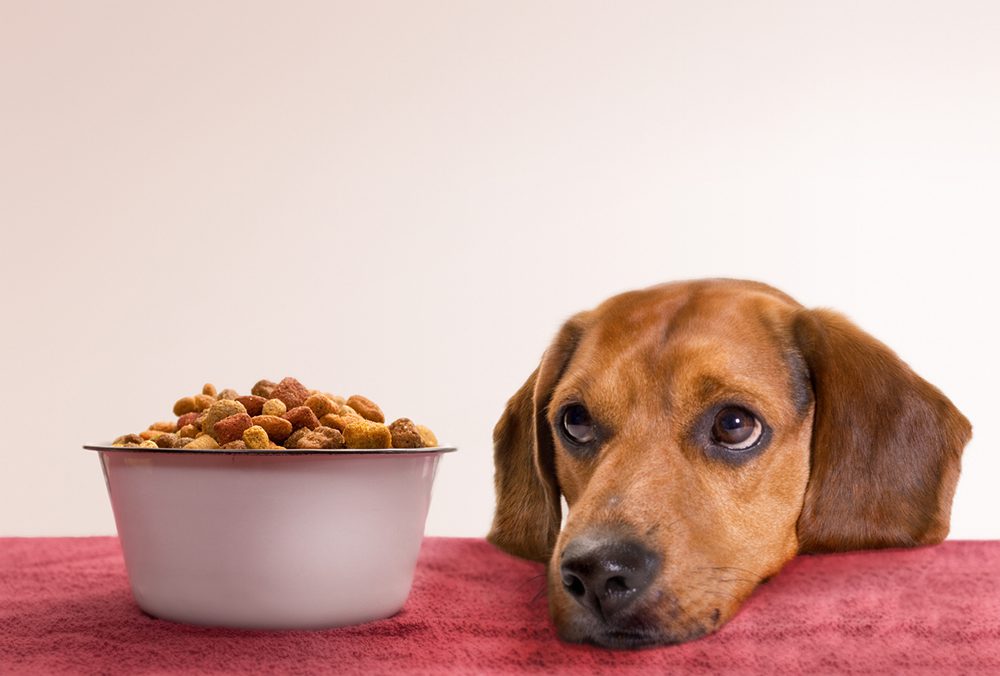
⚠️ Pay closer attention if:
-
The behavior started suddenly
-
Your dog skips full days of food
-
There’s weight loss
-
Energy levels are lower
-
Your dog seems nauseous or uncomfortable
Sudden appetite timing changes deserve a vet check.
Possible Medical Reasons
Less common—but important to rule out:
-
Stomach discomfort (acid buildup during the day)
-
Dental pain (eats when most relaxed)
-
Medication side effects
-
Hormonal or metabolic changes
-
Mild nausea that eases overnight
What You Can Do Right Now


1. Create a Calm Daytime Feeding Spot
-
Quiet corner
-
Away from foot traffic
-
No staring or hovering
2. Set Clear Meal Windows
-
Offer food for 20–30 minutes
-
Pick it up if uneaten
-
Re-offer at the next planned meal
Avoid free-feeding unless advised by your vet.
3. Keep Feeding Times Predictable
Consistency builds appetite confidence.
4. Avoid Late-Night Treats
Late snacks can reinforce night-only eating.
5. Monitor Weight & Energy
If both are stable, the habit is usually harmless.
When to Call the Vet
📞 Schedule a check if:
-
Appetite timing changed suddenly
-
Your dog eats only every other day
-
There’s vomiting, drooling, or lip-licking
-
Weight or behavior is changing
Can Dogs Be “Nocturnal Eaters”?
Yes—some dogs naturally prefer nighttime meals, especially if:
-
They’re calm, healthy, and maintaining weight
-
The behavior is long-standing
-
There are no other symptoms
In these cases, it’s a preference, not a problem.
Final Takeaway
If your dog eats only at night but is otherwise healthy, happy, and maintaining weight, it’s usually nothing to worry about. But sudden changes or skipped meals should always be taken seriously.
🐾 Dogs don’t eat by the clock—they eat when they feel safe, comfortable, and ready.