
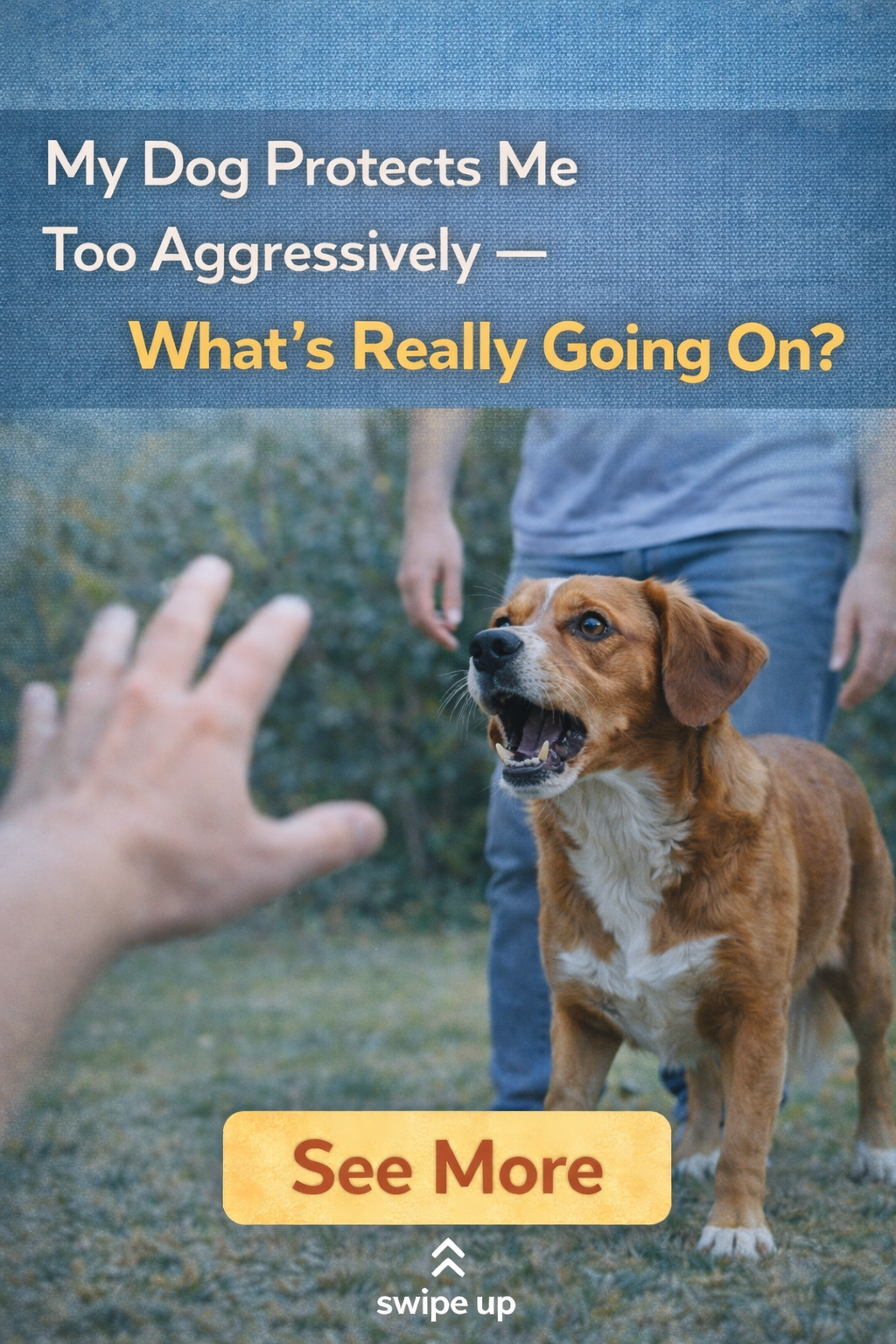
If your dog growls, barks, lunges, or snaps at people or other dogs who come near you, it may feel like loyalty—but overprotective behavior is not healthy protection. In most cases, it’s a sign of fear, anxiety, or insecurity, not confidence or true guarding ability.
This article explains why dogs become overly protective, when it becomes dangerous, and how to address it safely and effectively.
What Does “Too Aggressive Protection” Look Like?
You may notice your dog:
-
Growling or snapping when people approach you
-
Blocking others from getting close
-
Barking intensely when someone talks to you
-
Reacting strongly on leash but calmer off-leash
-
Becoming tense when you’re sitting or resting
-
Guarding you more than food or toys
The key issue is loss of emotional control, not genuine threat assessment.
Why Dogs Become Overprotective
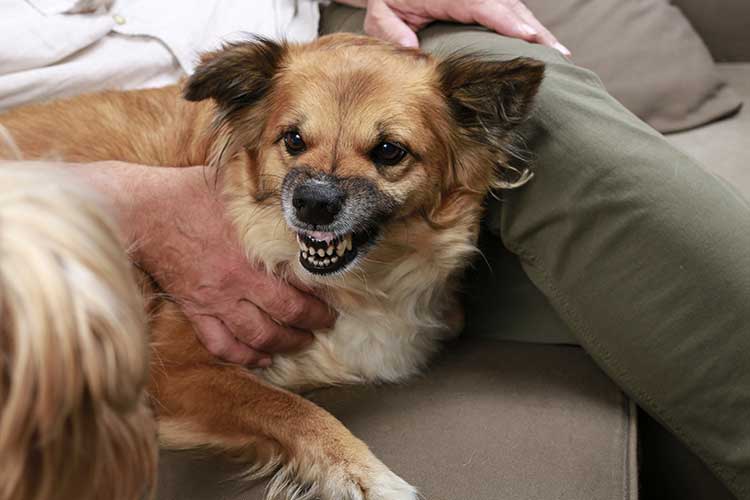
1. Fear-Based Resource Guarding (Most Common)
To your dog, you are a valuable resource.
-
Your attention, comfort, and presence matter deeply
-
Fear of losing access triggers guarding
This is called resource guarding of a person.
2. Anxiety and Insecurity
Dogs that feel unsafe may:
-
Try to control the environment
-
React first to prevent perceived threats
An anxious dog guards because they don’t trust the situation to be safe.
3. Reinforced Behavior
If your dog growls and:
-
People back away
-
You tighten the leash or comfort them
Your dog learns:
👉 “Aggression works.”
4. Leash and Proximity Effects
Being close to you—especially on leash—can:
-
Increase tension
-
Limit escape options
-
Make dogs feel responsible for “handling” threats
5. Past Experiences
Dogs with histories of:
-
Trauma
-
Unstable homes
-
Punishment
may rely on aggression as a defense strategy.
Why This Behavior Is Dangerous
Overprotective aggression can:
-
Escalate into bites
-
Put people and dogs at risk
-
Increase your dog’s stress long-term
-
Lead to legal or safety consequences
🚨 A dog that feels responsible for protecting you is a dog under constant pressure.
When This Is a Red Flag
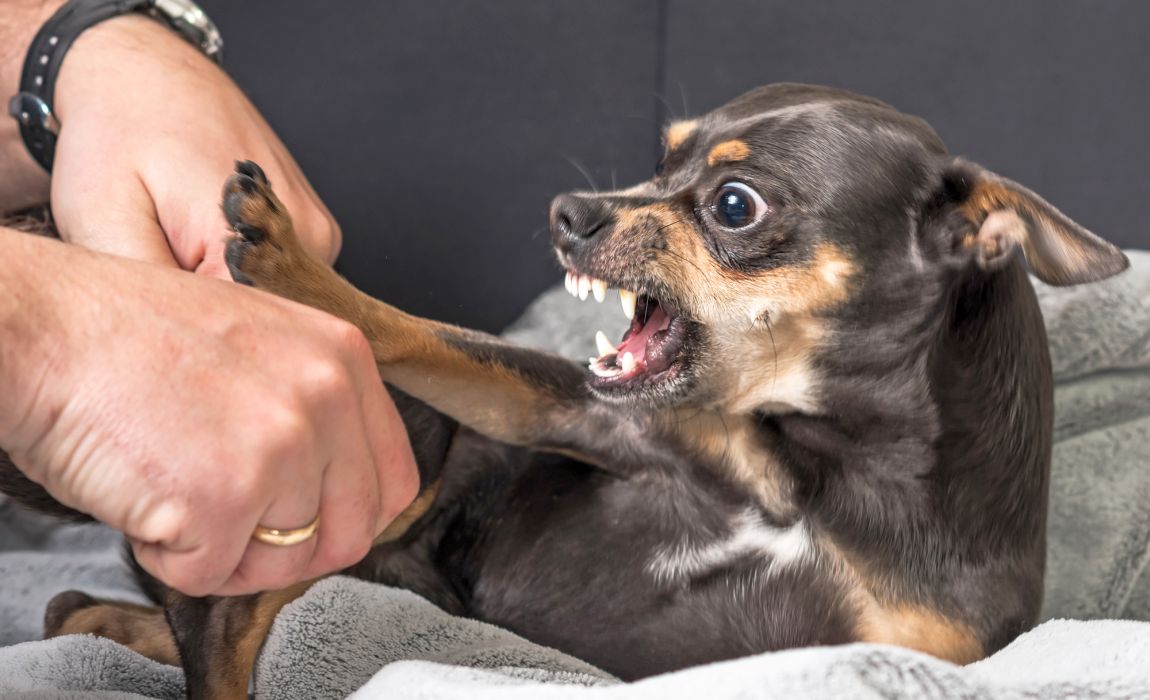
🚨 Get professional help immediately if your dog:
-
Has snapped or bitten
-
Growls at familiar people
-
Reacts suddenly without warning
-
Escalates over time
-
Guards you from family members or children
This is not a behavior to “wait out.”
What NOT to Do
❌ Don’t encourage “protective” behavior
❌ Don’t punish growling (it removes warnings)
❌ Don’t reassure fear during aggressive moments
❌ Don’t force exposure
These responses increase anxiety and bite risk.
What You Can Do Right Now
Create Distance and Safety
-
Increase space between your dog and triggers
-
Avoid crowded or confrontational situations
-
Use a secure leash and harness
Change the Emotional Association
With professional guidance:
-
Strangers approaching = good things (treats at a distance)
-
Calm behavior = rewards
-
You stay neutral and relaxed
Reduce Dependence
-
Encourage independence (place training, settle away from you)
-
Avoid constant physical contact during tense moments
-
Teach your dog that you handle threats—not them
Reward Calm, Not Control
Reinforce:
-
Looking away from triggers
-
Relaxed body language
-
Choosing disengagement
Why Professional Help Matters
Overprotective aggression improves best with:
-
Certified force-free trainers
-
Veterinary behaviorists
-
Behavior modification plans
-
Sometimes medication to reduce anxiety
This combination protects both safety and welfare.
Can Overprotective Dogs Improve?
Yes—many dogs make major progress when:
-
Anxiety is addressed
-
Pressure to “protect” is removed
-
Clear, calm leadership is provided
Early intervention leads to the best outcomes.
Final Takeaway
When your dog protects you too aggressively, it’s not devotion—it’s fear mixed with responsibility your dog shouldn’t carry. True confidence comes when your dog trusts you to handle the world.
🐾 Helping your dog feel safe—not responsible—is the key to turning aggression into calm confidence.