
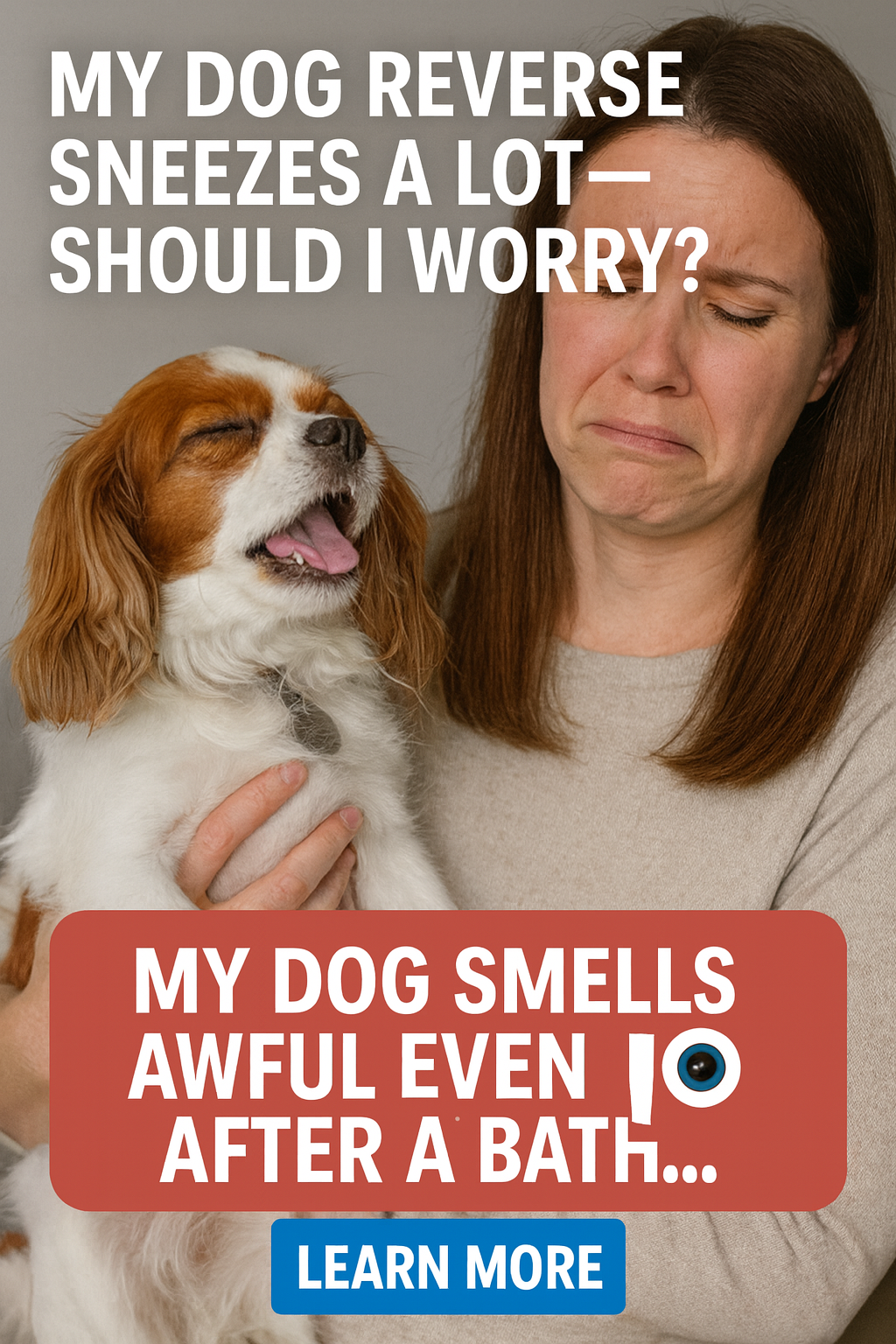
Reverse sneezing is one of the most confusing and frightening things dog owners experience.
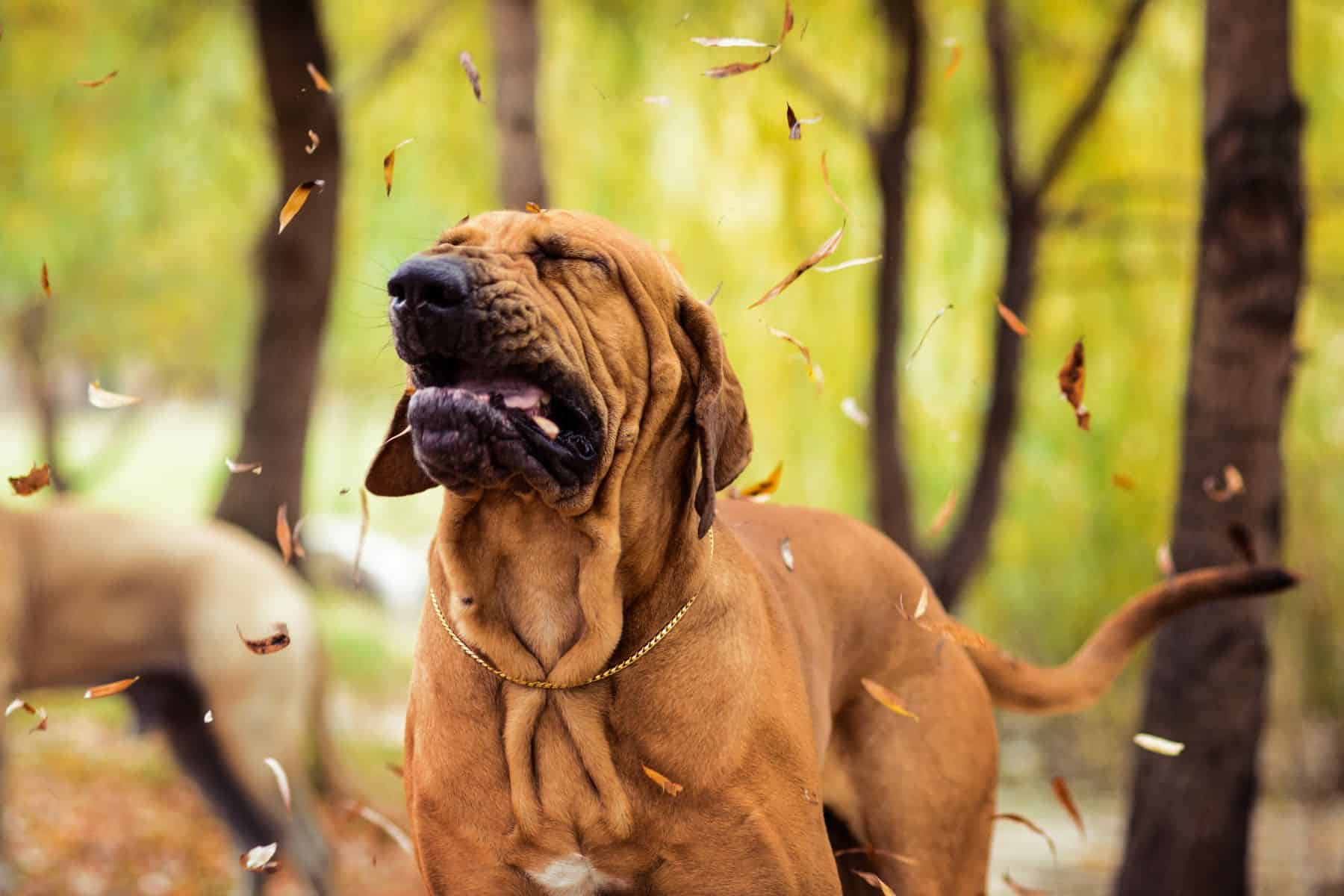
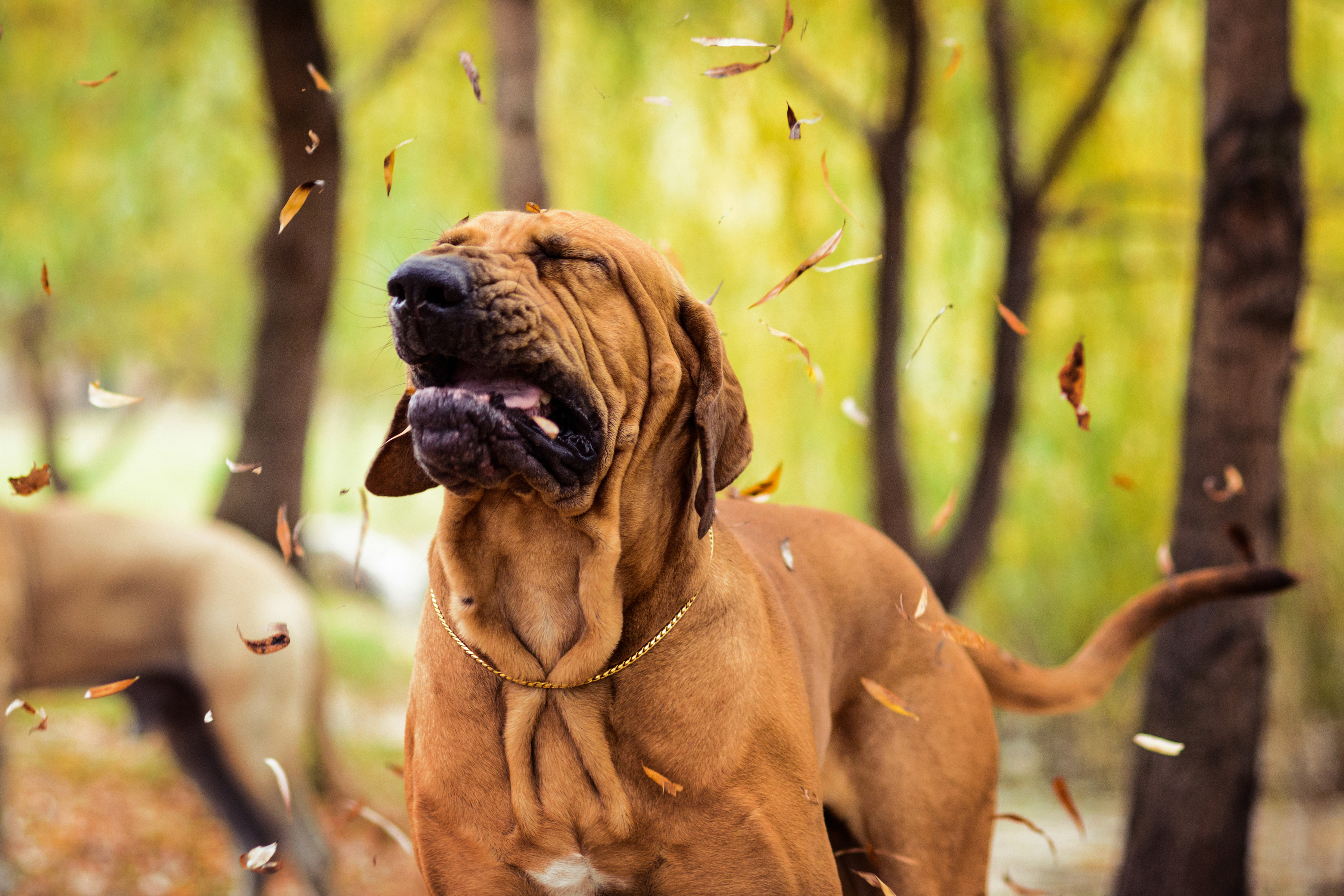
Your dog suddenly freezes, stretches their neck forward, elbows stiffen, eyes widen, and they inhale repeatedly with a strange “honk-snort” sound — almost like choking or gasping for air.
But here’s the truth:
👉 Most reverse sneezing episodes are harmless and stop on their own.
👉 Frequent or intense episodes, however, may signal a deeper medical issue.
This article will help you understand exactly what’s happening and when to take action.
1️⃣ What Is Reverse Sneezing Exactly?
Unlike a normal sneeze, where air is forcefully pushed out, a reverse sneeze pulls air in rapidly.
This happens because the soft palate and back of the throat momentarily spasm, causing the dog to inhale sharply multiple times.
A typical reverse sneeze episode lasts:
⏱️ 10 to 30 seconds
But may feel like forever the first time you see it.
Common physical signs:
-
Front legs planted, elbows stiff
-
Neck stretched out
-
Eyes bulging or worried-looking
-
Loud snorting or honking
-
Rapid inhaling
-
Dog may seem panicked or frozen
2️⃣ Why Do Dogs Reverse Sneeze? (Most Common Causes)
Reverse sneezing is not usually a disease — it’s a reflex triggered by irritation or inflammation in the upper airway.
However, persistent episodes may point to something that needs treatment.
Let’s break it down:
✔ Cause 1: Nasal Irritants (Most Common)
Dust, pollen, perfume, smoke, strong cleaning sprays, or even temperature changes can irritate the nasal passages.
Examples:
-
Dog sniffing dusty carpet
-
Walking through tall grass
-
Air freshener sprayed nearby

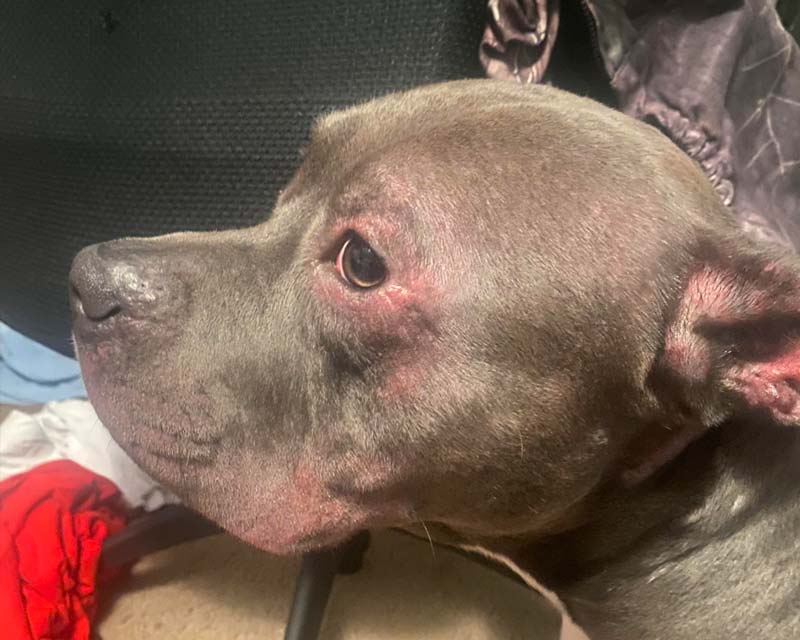
✔ Cause 2: Allergies
Seasonal allergies or food allergies can inflame the throat and soft palate, making reverse sneezing occur much more frequently—sometimes daily.
Clues your dog has allergies:
-
Paw licking
-
Face rubbing
-
Itchy skin
-
Ear infections
✔ Cause 3: Overexcitement or Pulling on the Leash
Hyper dogs or small breeds often reverse sneeze after getting excited or pulling during walks. The throat briefly collapses inward, causing the reflex.
Common in:
-
Chihuahuas
-
Yorkies
-
Shih Tzus
-
Pugs
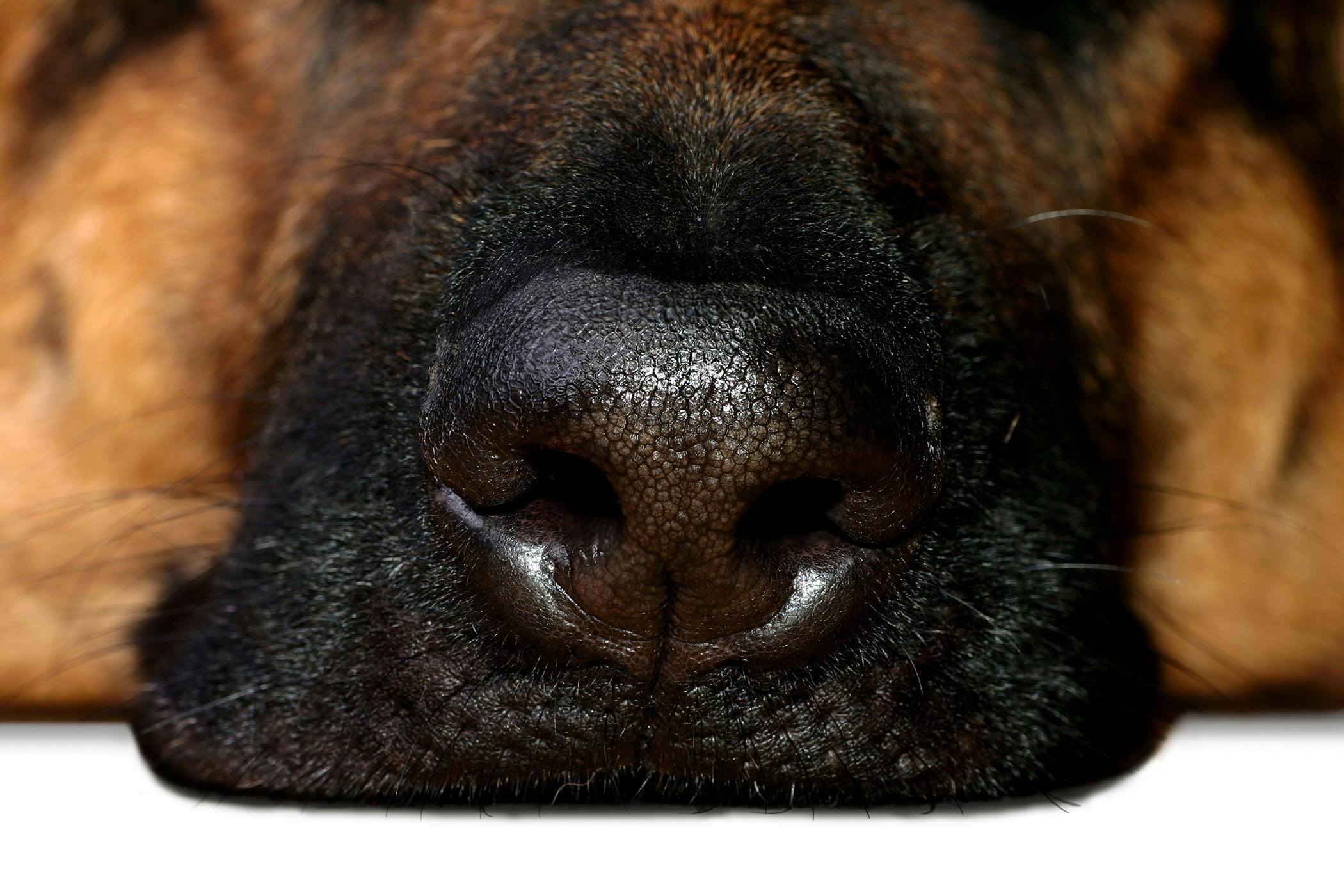
✔ Cause 4: Nasal Mites (Highly Irritating)
These microscopic parasites cause violent, repeated reverse sneezing.
Other signs:
-
Bloody nose
-
Constant face rubbing
-
Frequent sneezing
✔ Cause 5: Upper Respiratory Infection
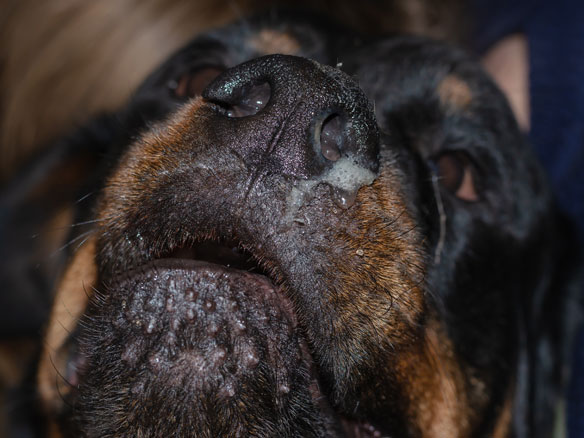
Bacterial or viral infections inflame the nasal passages → reverse sneezing becomes frequent.
Indicators:
-
Coughing
-
Yellow/green nasal discharge
-
Reduced appetite
✔ Cause 6: Elongated Soft Palate (Brachycephalic Breeds)
Pugs, Bulldogs, and Boston Terriers commonly reverse sneeze because their airway structure is more crowded.


3️⃣ Is Reverse Sneezing Dangerous?
👉 Occasional reverse sneezing = NOT dangerous.
👉 Frequent reverse sneezing = needs evaluation.
It does not mean your dog is choking, suffocating, or dying — even though it looks scary.
However, repeated episodes may point to:
-
Chronic irritation
-
Allergies
-
Airway collapse
-
Nasal parasites
-
Infections
-
Polyps or masses
4️⃣ When Should You Worry? (Red Flags)
Seek veterinary attention immediately if:
⚠️ Episodes happen daily
⚠️ Each episode lasts longer than 1 minute
⚠️ Dog has trouble breathing between episodes
⚠️ There is nasal discharge (especially colored or bloody)
⚠️ Dog collapses or appears distressed
⚠️ You suspect something is stuck in the nose
These signs suggest the issue is more than just reverse sneezing.
5️⃣ How to Help Your Dog During a Reverse Sneeze
You can help end the episode faster.
✔ Gently massage the throat
Helps relax the soft palate.
✔ Briefly cover the nostrils
This triggers swallowing, which stops the spasm.
✔ Stay calm & speak softly
Your dog may panic if you panic.
✔ Remove irritants
Avoid smoke, perfume, harsh cleaning agents, dusty rooms.
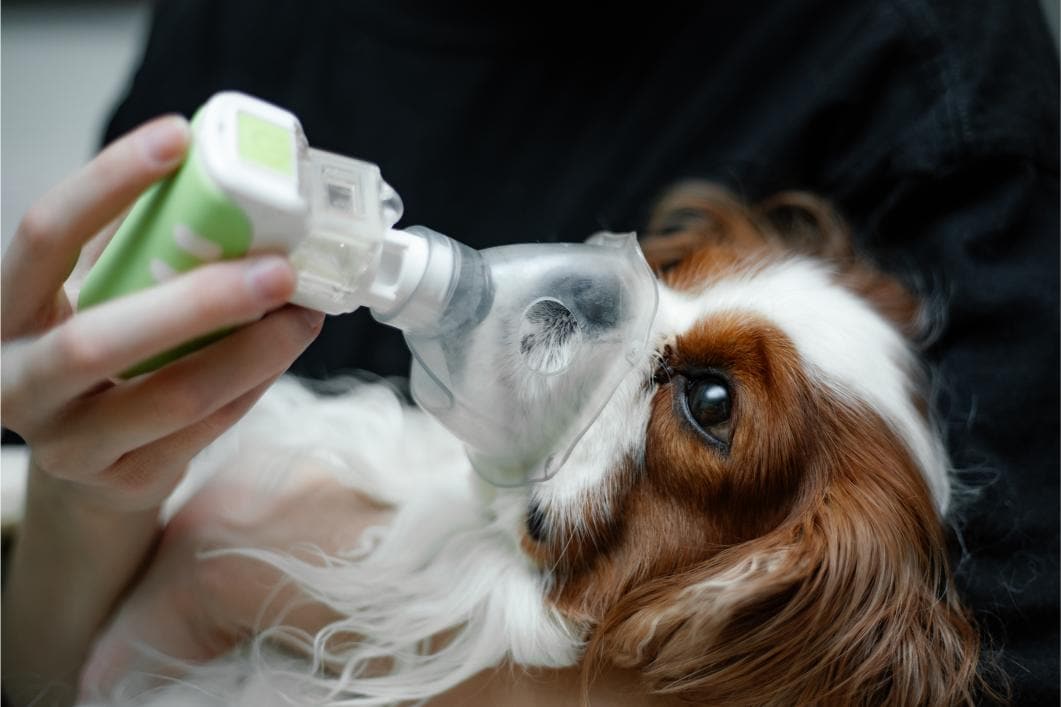
If episodes increase, antihistamines or nasal mite treatment may be recommended by a vet.
6️⃣ How Vets Diagnose Frequent Reverse Sneezing
Depending on symptoms, your vet may check for:
-
Allergies
-
Nasal mites
-
Throat inflammation
-
Dental infections
-
Soft palate abnormalities
-
Respiratory infections
Diagnostic tools may include:
-
Nasal swabs
-
Endoscopy
-
X-rays
-
Allergy testing