

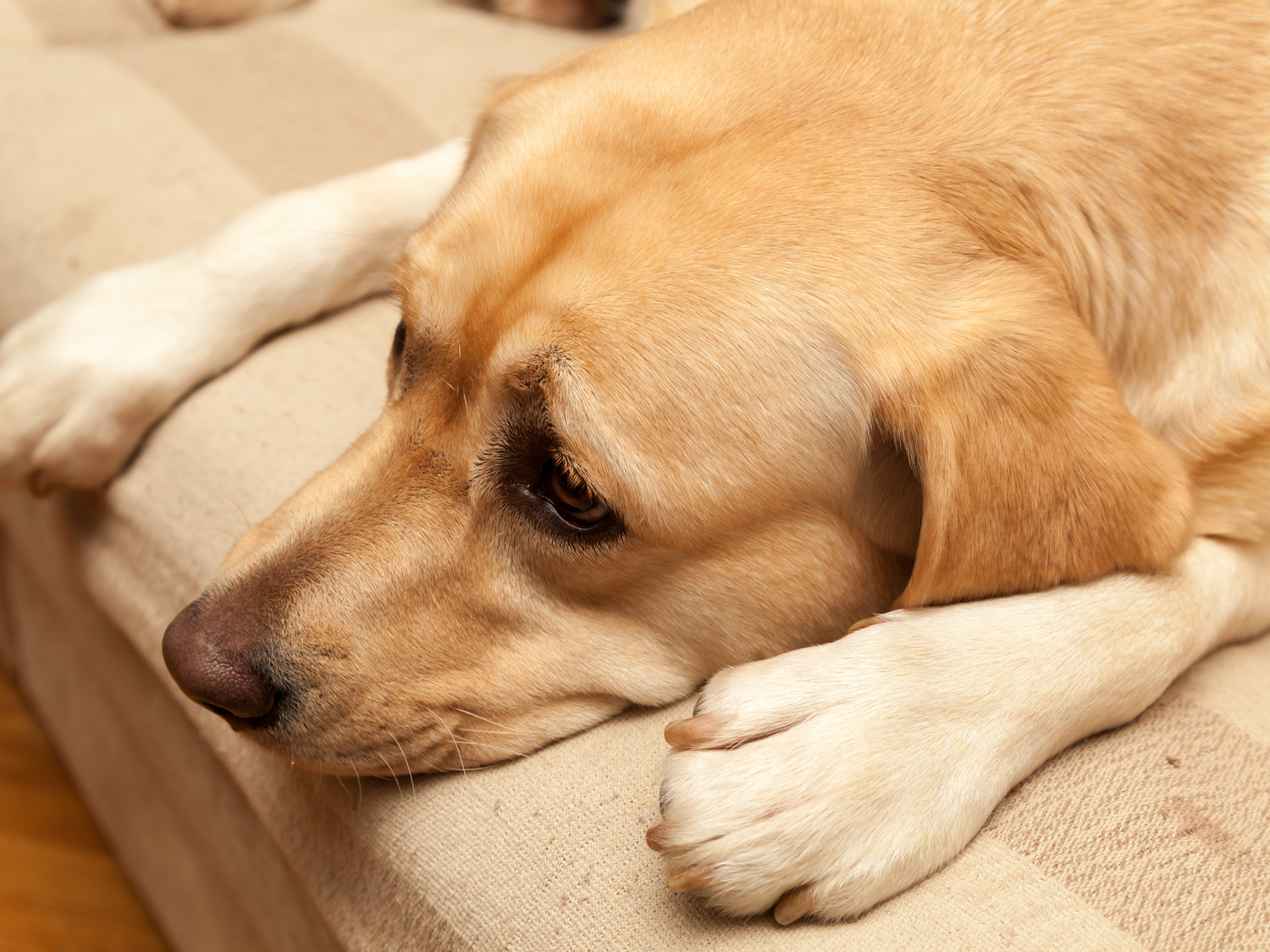
If your dog is sleeping much more than normal, skipping playtime, or seems harder to wake, it’s natural to worry. Dogs do sleep a lot—but a sudden or noticeable increase in sleep can be your dog’s way of signaling fatigue, pain, stress, or an underlying medical issue.
This article explains what’s normal vs. concerning, common reasons dogs suddenly sleep more, red flags to watch for, and what to do next.
What Counts as “Sleeping Too Much”?
Be alert if you notice:
-
Sleeping most of the day more than their usual pattern
-
Little interest in walks, toys, or food
-
Taking longer to get up or seeming groggy
-
Choosing isolation instead of company
-
Needing frequent naps after minimal activity
👉 The key factor is change from your dog’s baseline, not a single sleepy day.
Common Reasons Dogs Sleep More Than Usual
:strip_icc()/why-dogs-sleep-so-much-4178938-Hero-40846cefb5274079be03d4ef03aba9b0.jpg)
1. Normal Factors (Often Harmless)
-
Age: Puppies and senior dogs naturally sleep more
-
Weather: Hot or cold days reduce activity
-
Exercise changes: A big day yesterday can mean a sleepy today
If energy returns within a day or two, this is usually fine.
2. Pain or Physical Discomfort (Very Common)
Dogs often rest more to avoid pain.
-
Arthritis or joint pain
-
Back or neck issues
-
Dental pain
Pain-related sleepiness often pairs with stiffness, reluctance to move, or changes in posture.
3. Illness or Infection
Many illnesses cause fatigue:
-
Viral or bacterial infections
-
GI upset
-
Early kidney or liver disease
You may also see reduced appetite, vomiting, or diarrhea.
4. Stress, Anxiety, or Emotional Fatigue
Emotional overload can be exhausting.
-
New environment
-
Loud events (storms, fireworks)
-
Changes in routine or household
Dogs may sleep more as a coping mechanism.
5. Medication Side Effects
Some medications increase drowsiness:
-
Pain meds
-
Antihistamines
-
Anti-anxiety drugs
Always check with your vet if sleepiness starts after a new medication.
6. Canine Cognitive Dysfunction (Senior Dogs)
⚠️ In older dogs:
-
Daytime sleeping increases
-
Nighttime restlessness may appear
-
Confusion or disorientation can occur
This often progresses gradually.
When Increased Sleeping Is a Red Flag
🚨 Contact your vet promptly if your dog:
-
Is difficult to wake or seems weak
-
Sleeps excessively for more than 24–48 hours
-
Refuses food or water
-
Has vomiting, diarrhea, coughing, or fever
-
Shows pale gums or labored breathing
-
Is a senior dog with sudden onset
Persistent lethargy often indicates medical problems that need evaluation.
What You Can Do Right Now
-
Compare to your dog’s normal routine (not other dogs)
-
Check appetite, water intake, and bathroom habits
-
Gently observe movement (stiffness, limping?)
-
Avoid pushing exercise until energy returns
-
Keep notes on duration and any added symptoms
❌ Don’t assume it’s “just aging”
❌ Don’t wait weeks if sleepiness persists
How Vets Evaluate Excessive Sleeping
Your veterinarian may:
-
Perform a full physical exam
-
Check joints and spine for pain
-
Run blood tests (organ function, infection)
-
Review medications and recent changes
-
Assess for cognitive or neurological issues
Early testing often brings clear answers and quick relief.
Can Dogs Recover Their Energy?
Yes—most dogs bounce back once the cause is addressed:
-
Pain control improves activity
-
Illness treatment restores energy
-
Stress reduction helps normalize sleep
-
Senior-support plans improve quality of life
The earlier you act, the better the outcome.
Final Takeaway
If your dog sleeps way more than usual, it’s not laziness—it’s communication. Sometimes it’s harmless rest. Other times, it’s a quiet sign that something isn’t right.
🐾 Trust changes you notice. Acting early can protect your dog’s comfort, health, and happiness.