
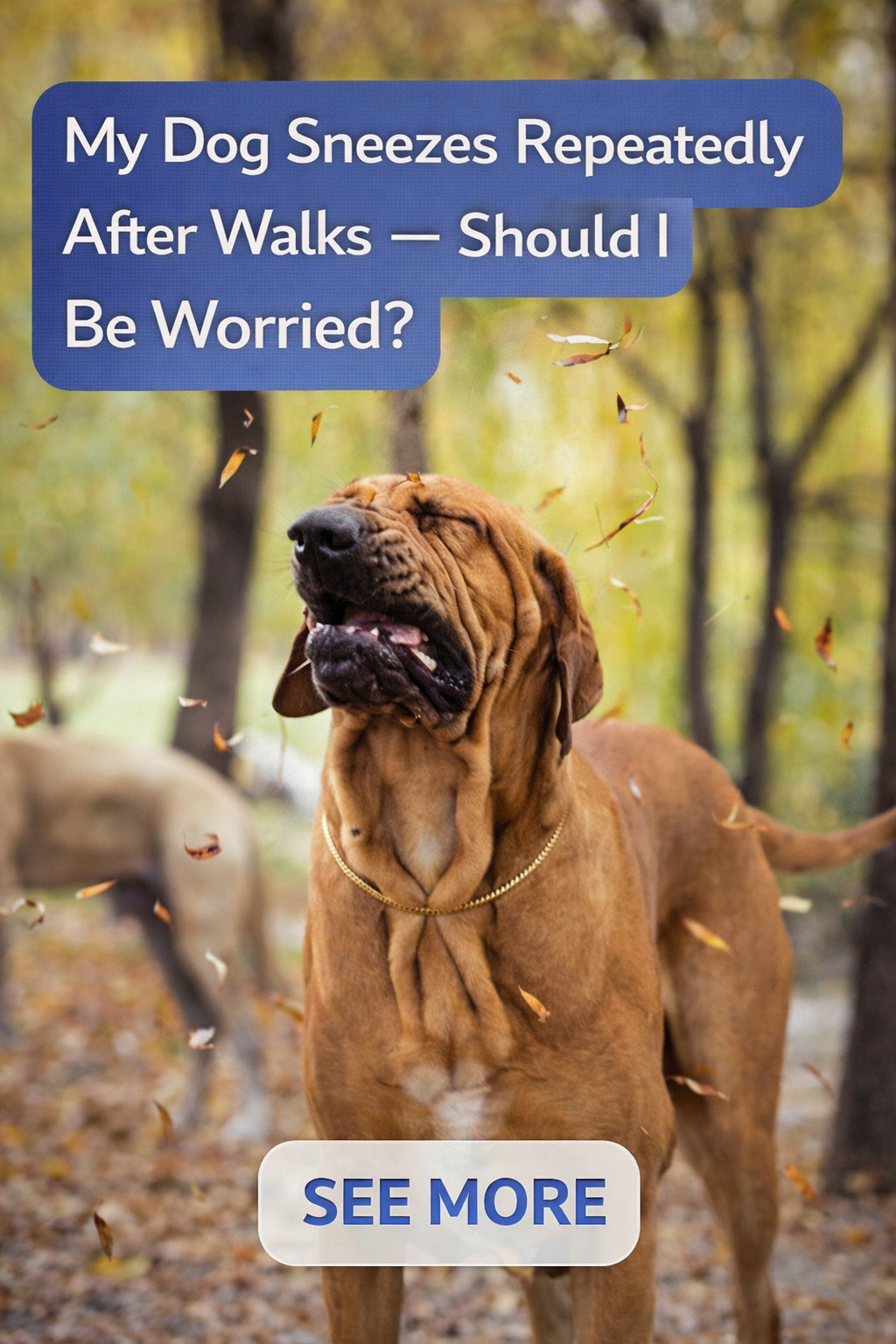
If your dog starts sneezing over and over right after walks, especially outdoors, you’re right to notice. Occasional sneezing can be harmless, but repeated sneezing after walks often points to nasal irritation, allergies, or something stuck in the nose—and in some cases, it needs prompt attention.
This article explains why dogs sneeze after walks, what’s normal vs. concerning, and what you should do next.
What This Sneezing Pattern Looks Like
You may notice your dog:
-
Sneezing repeatedly right after coming home
-
Rubbing their nose on the ground or furniture
-
Snorting or reverse sneezing
-
Pawing at the face
-
Having watery nasal discharge
-
Sneezing more after grassy or dusty walks
👉 The key clue is timing: sneezing starts after outdoor exposure.
Most Common Reasons Dogs Sneeze After Walks
1. Environmental Allergies (Very Common)
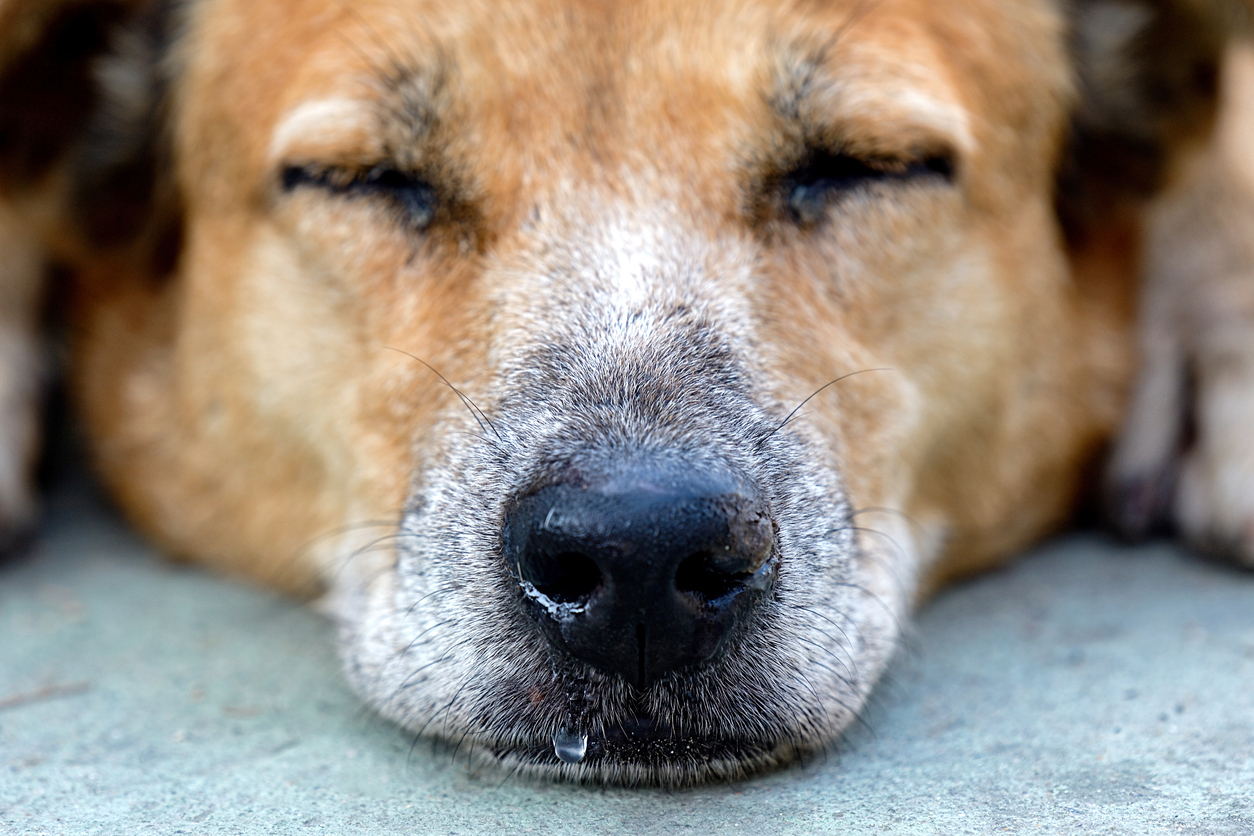
Outdoor allergens irritate sensitive noses.
-
Pollen
-
Grass
-
Mold spores
-
Dust
Sneezing is the nose’s way of clearing irritants.
2. Foreign Objects in the Nose
⚠️ A frequent cause after walks.
-
Grass seeds
-
Foxtails
-
Dirt or plant debris
Signs include:
-
Sudden, violent sneezing
-
One-sided sneezing
-
Pawing at the nose
Foxtails can migrate and become dangerous if not removed.
3. Nasal Irritation or Dryness
Environmental factors can irritate nasal passages.
-
Wind
-
Cold air
-
Dry or dusty trails
Sneezing often stops after some time indoors.
4. Reverse Sneezing
Dogs may:
-
Snort or inhale rapidly
-
Make honking sounds
Often triggered by post-walk excitement or throat irritation and usually harmless.
5. Mild Upper Respiratory Infection
Less common, but possible.
-
Sneezing continues throughout the day
-
Nasal discharge
-
Mild lethargy
Should improve in a few days—or be checked by a vet.
When Sneezing Is a Red Flag
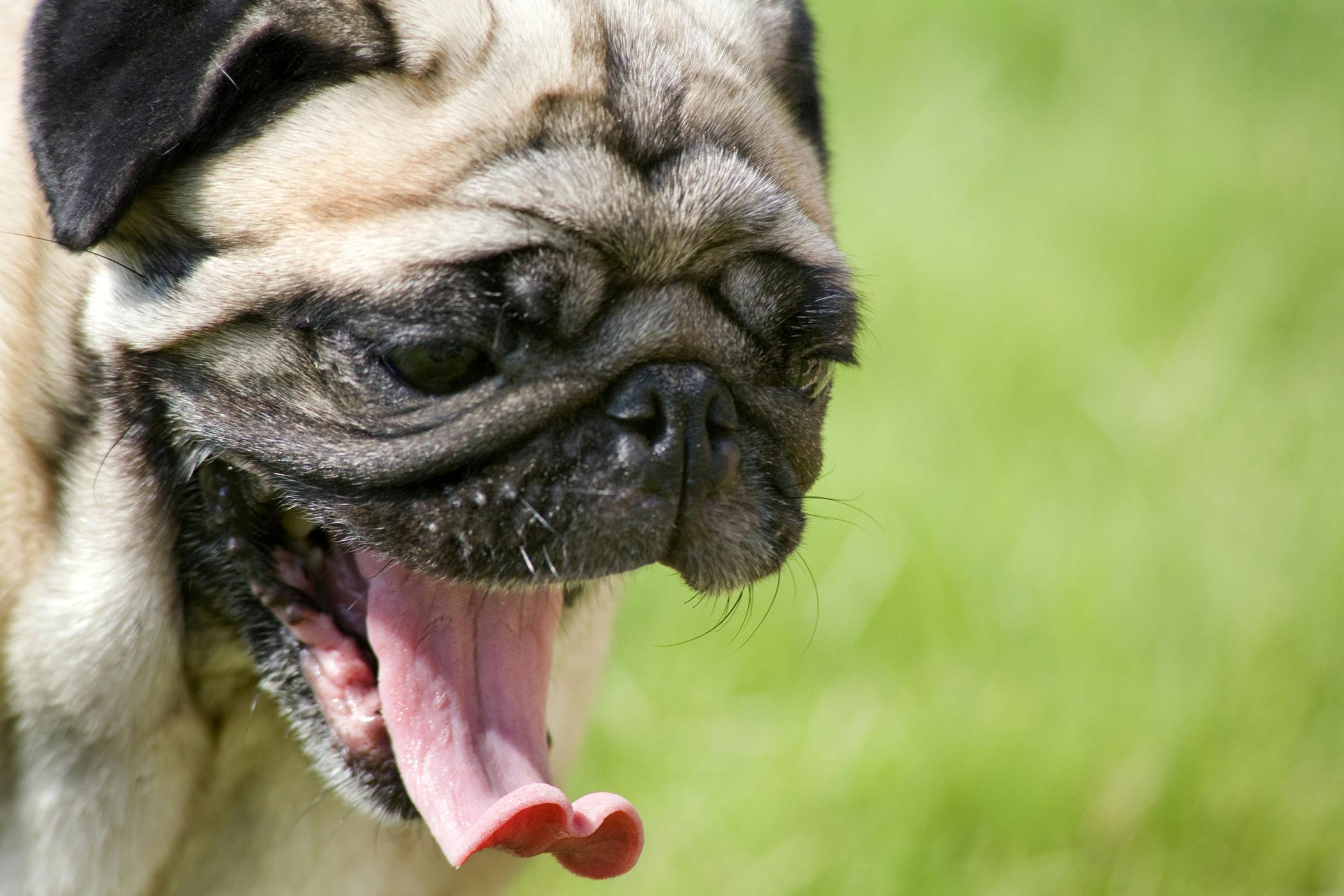
🚨 Contact your vet promptly if your dog:
-
Sneezes violently or nonstop
-
Has bloody, thick, or foul-smelling discharge
-
Sneezes mostly from one nostril
-
Seems painful or distressed
-
Has swelling around the nose or face
-
Sneezing worsens instead of improves
These signs may indicate a foreign body, infection, or nasal injury.
What You Can Do Right Now
After Walk Care
-
Gently wipe the nose with a clean, damp cloth
-
Check for visible debris (do not probe inside)
Reduce Allergen Exposure
-
Avoid tall grass and weedy areas
-
Walk during lower pollen times
-
Rinse paws and face after walks
Monitor Closely
Track:
-
How long sneezing lasts
-
Whether it’s one-sided
-
Any discharge or bleeding
Do NOT
❌ Insert tweezers or cotton swabs into the nose
❌ Force sneezing to stop
❌ Ignore repeated violent episodes
How Vets Diagnose Post-Walk Sneezing
Your veterinarian may:
-
Examine the nasal passages
-
Look for foreign bodies
-
Assess allergy patterns
-
Recommend imaging or rhinoscopy if needed
Early removal of nasal debris prevents serious complications.
Can This Be Treated Easily?
Yes—most causes are very manageable:
-
Allergies: environmental control or medication
-
Foreign bodies: removal and quick relief
-
Irritation: avoidance and supportive care
Most dogs feel better almost immediately once the cause is addressed.
Final Takeaway
If your dog sneezes repeatedly after walks, it’s usually their nose reacting to the outdoors—but persistent, intense, or one-sided sneezing isn’t normal. It’s your dog’s way of saying something doesn’t belong there.
🐾 Paying attention early can prevent discomfort, infection, and emergency vet visits.