
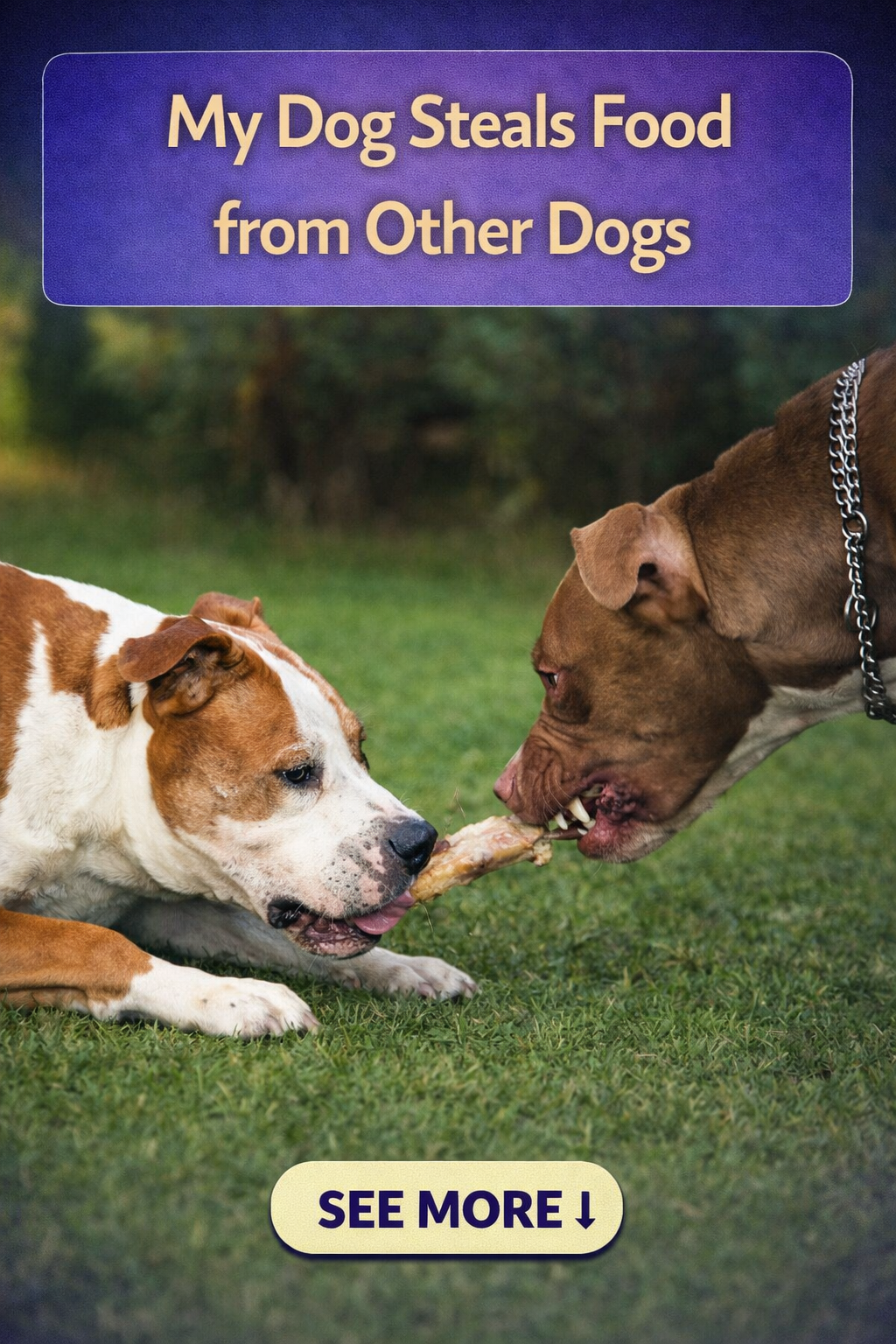
If your dog rushes over to other dogs’ bowls, steals treats, or finishes his food and immediately targets others, you’re not dealing with bad manners—you’re seeing resource competition driven by instinct, learning, or emotional state. This behavior is common in multi-dog homes and social settings, and it can escalate into fights if not managed early.
Here’s how to understand why dogs steal food from others and how to stop it safely and effectively.
What Food Stealing Usually Looks Like
You may notice your dog:
-
Finishing his food fast and moving to other bowls
-
Hovering near other dogs while they eat
-
Snatching treats from others
-
Ignoring recalls during feeding time
-
Triggering growls or snapping
👉 Food is a high-value survival resource, so emotions run high.
Why Dogs Steal Food From Other Dogs
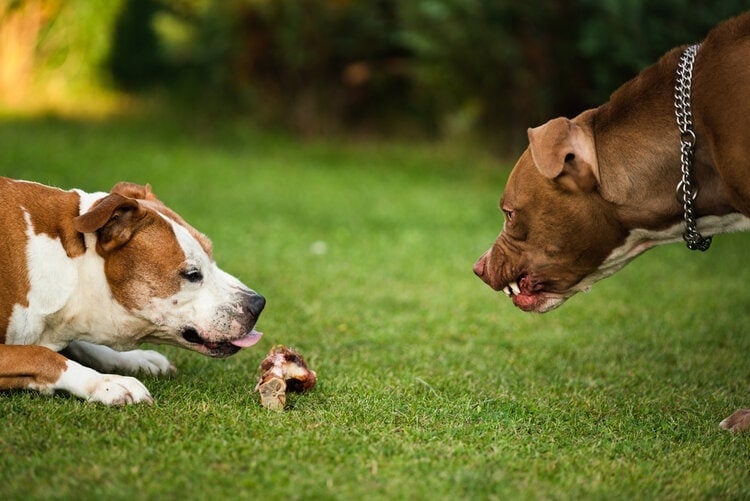
1. Natural Survival Instinct
Dogs are opportunistic eaters.
-
If food is available, take it
-
Especially common in rescues or dogs with past scarcity
This doesn’t mean your dog is “mean”—it means he’s acting on instinct.
2. Food Insecurity or Anxiety
Dogs who worry food might disappear:
-
Eat quickly
-
Steal before someone else does
This is common in:
-
Shelter dogs
-
Dogs fed inconsistently in the past
3. Learned Behavior
If stealing ever worked:
-
No consequence
-
More food reward
The behavior was reinforced.
4. Poor Impulse Control
Some dogs struggle to:
-
Wait
-
Respect boundaries
Food pushes them past their self-control threshold.
5. Competition in Multi-Dog Homes
Dogs naturally compare:
-
Who eats faster
-
Who guards better
Competition increases stealing.
Why This Can Become Dangerous
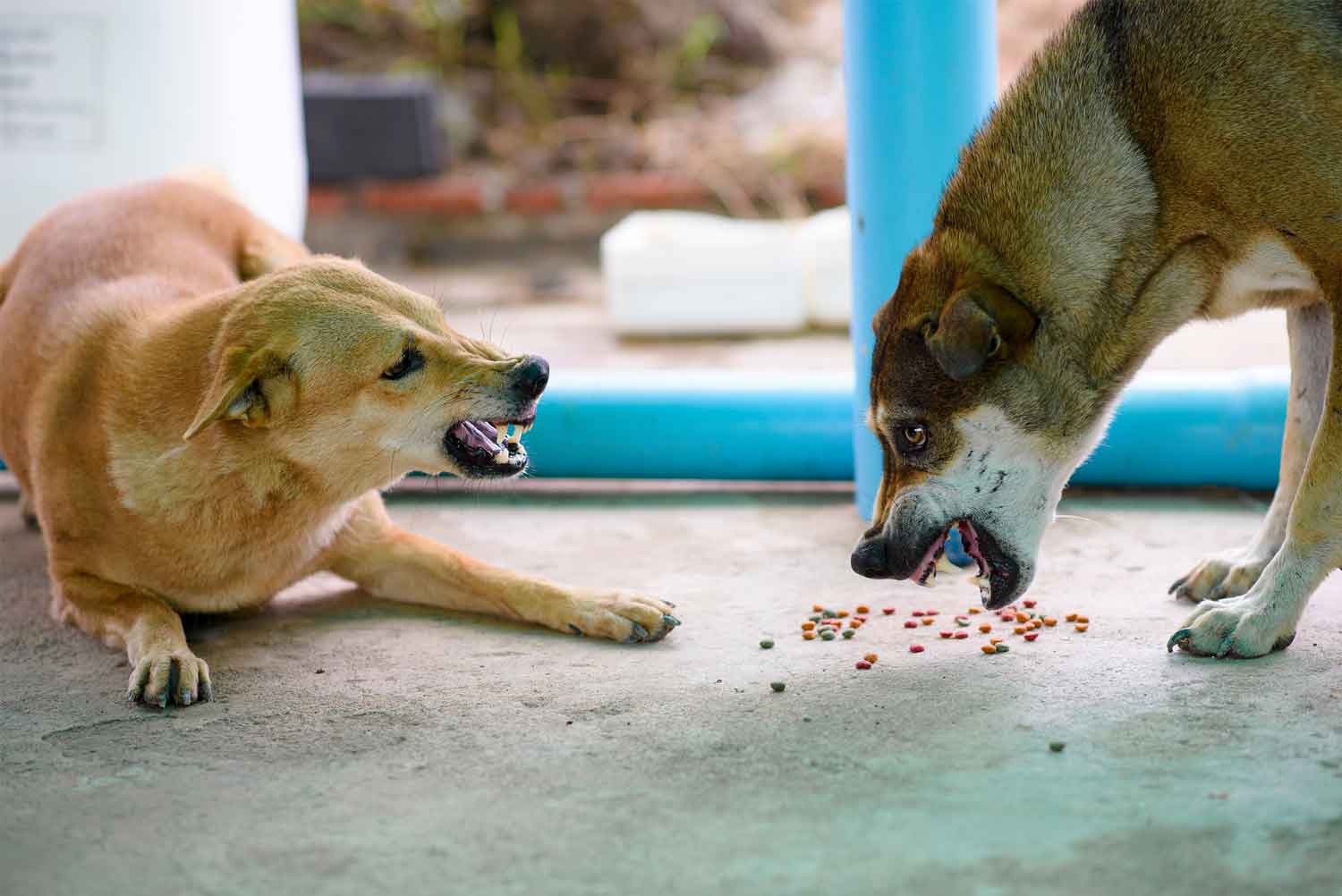
🚨 Food stealing can lead to:
-
Food guarding
-
Growling or snapping
-
Full fights
Even friendly dogs may defend food when pushed.
What NOT to Do
❌ Let dogs “work it out”
❌ Punish after stealing
❌ Feed dogs close together
❌ Hand-feed multiple dogs at once
These increase tension.
What Actually Works (Step-by-Step)
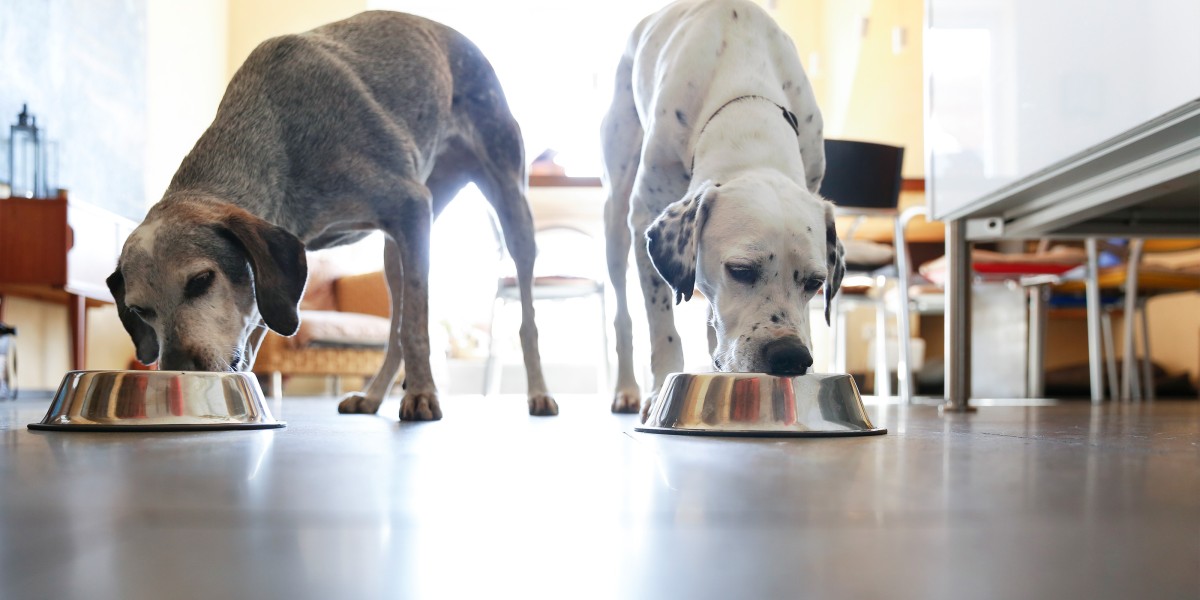
1. Separate Feeding — Always
This is non-negotiable.
-
Different rooms
-
Crates (only if dogs are crate-comfortable)
-
Baby gates
Prevention beats correction.
2. Pick Up Bowls After Meals
-
No leftover access
-
No grazing
Clear boundaries reduce obsession.
3. Teach “Place” During Feeding
Reward:
-
Staying on a mat
-
Waiting calmly
Impulse control around food transfers to other situations.
4. Slow Down Eating
Use:
-
Slow feeders
-
Puzzle bowls
Less urgency = less stealing.
5. Reinforce Calm Behavior
Reward:
-
Ignoring other bowls
-
Staying in their own space
Calm choices should pay better than stealing.
When to Get Professional Help
🚨 Seek help if your dog:
-
Growls or snaps over food
-
Steals aggressively
-
Guards stolen food
-
Has caused fights
A trainer can prevent escalation before bites happen.
Can Dogs Learn Not to Steal Food?
Yes—very reliably.
When:
-
Access is controlled
-
Impulse skills are taught
-
Competition is removed
Most dogs stop stealing once they feel secure.
Final Takeaway
Dogs steal food from other dogs because food triggers instinct, insecurity, and excitement. This isn’t dominance—it’s survival logic. With structure and separation, the behavior can disappear quickly.
🐾 Remove competition, build calm, and feeding time becomes peaceful again.