
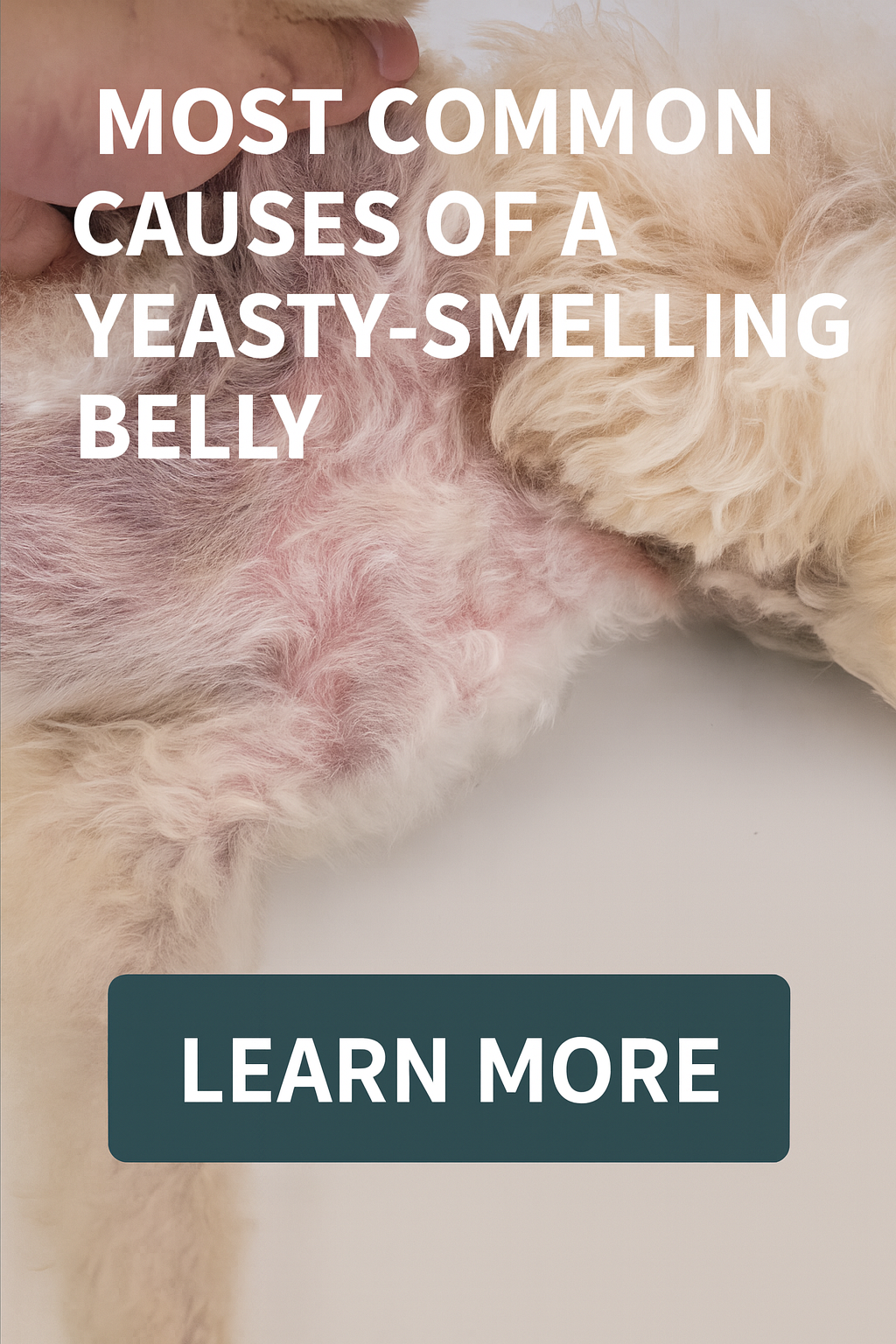
If your dog’s belly has started to smell yeasty, sour, or like corn chips, you’re not imagining it.
A yeasty odor is one of the most common signs of skin imbalance in dogs and usually indicates an overgrowth of yeast (Malassezia) on the skin.
This condition is extremely common—and thankfully treatable.
Here’s everything you need to know.
1️⃣ Why Does My Dog Smell Yeasty?
The yeast that naturally lives on your dog’s skin can multiply out of control when the skin environment changes.
Common triggers include:
• Allergies (food or environmental)
• Moisture trapped in skin folds
• Hormonal issues
• Weak immune response
• Excess oil production
A yeasty belly smell means the skin barrier is irritated and yeast is thriving.
2️⃣ Key Signs of Yeast Overgrowth
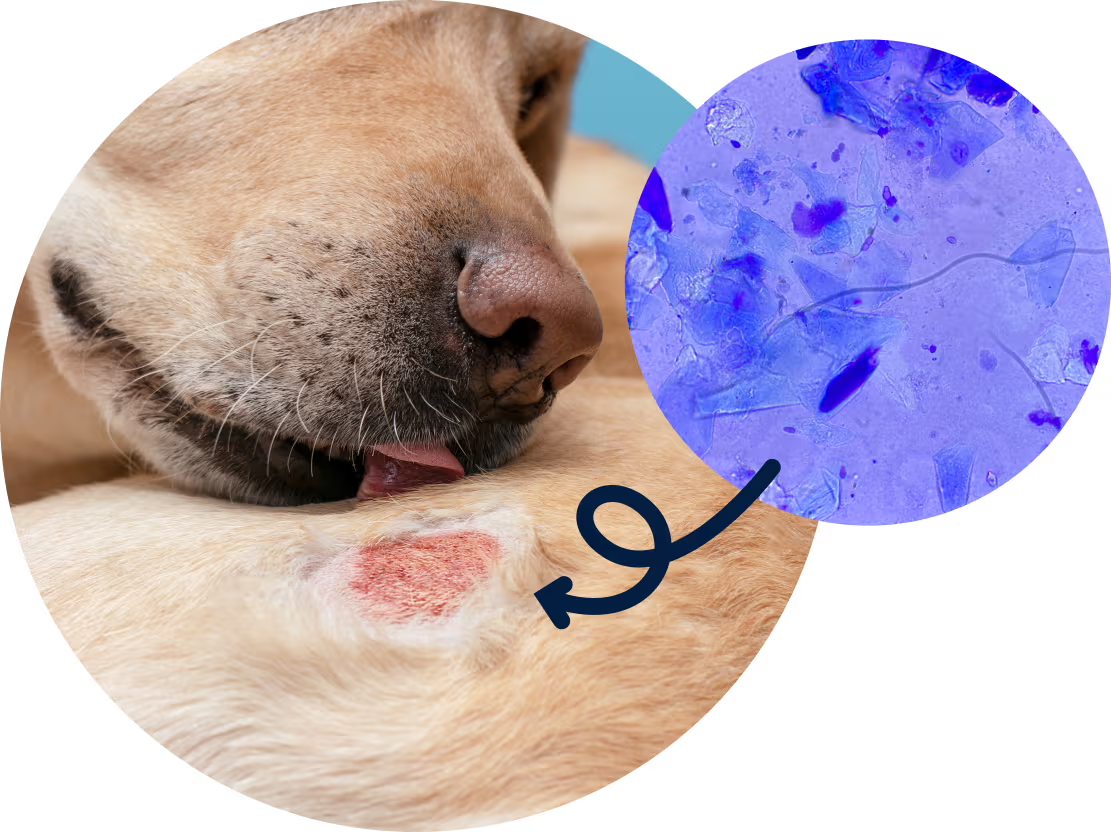
You may notice:
• Musty, sweet, or corn chip–like odor
• Red or pink irritated belly
• Greasy or sticky skin
• Darkened patches (hyperpigmentation)
• Hair loss around the belly or groin
• Dog licking or chewing the area
• Flaky or scaly skin
3️⃣ Most Common Causes of a Yeasty-Smelling Belly
A. Allergies (Most common cause)
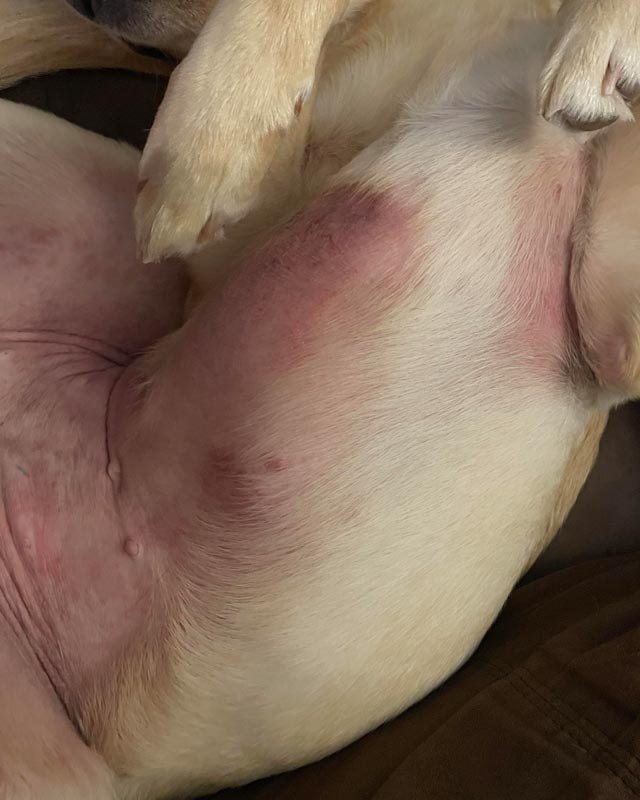
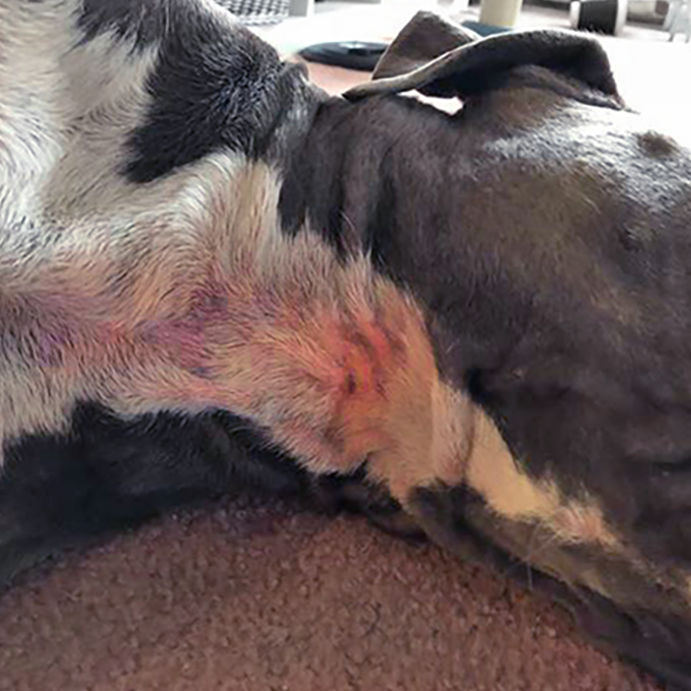
Allergies → inflammation → skin imbalance → yeast blooms.
Dogs with allergies often develop recurring yeast infections.
B. Moisture and Skin Folds

Moist, warm areas (belly, groin, armpits) create the perfect environment for yeast.
Breeds with folds or thick coats are especially prone.
C. Hormonal Problems (Thyroid, Cushing’s)

Hormone issues weaken the skin barrier, allowing yeast to multiply.
D. Gut Imbalance or High-Carb Diets
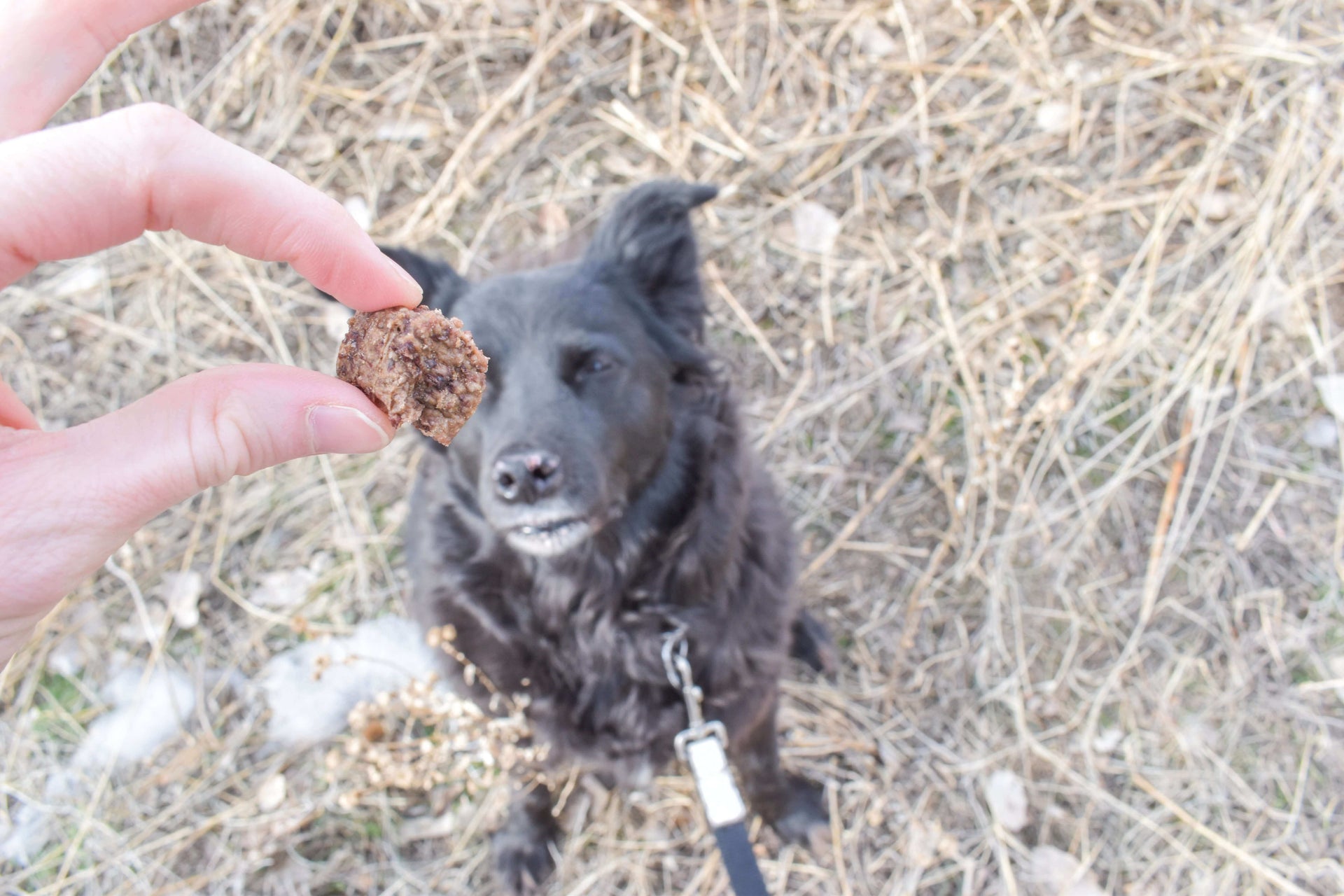
Too many carbs feed yeast both inside and outside the body.
4️⃣ How Do I Treat a Yeasty-Smelling Belly?
✔ Medicated baths
Shampoos with chlorhexidine, miconazole, or ketoconazole.
✔ Antifungal wipes or sprays
Especially for belly, groin, folds.
✔ Address allergies
Hypoallergenic diets or allergy medication.
✔ Keep the belly dry
Dry after walks, baths, or outdoor play.
✔ Improve diet
Lower-carb, higher-quality food reduces yeast recurrence.
5️⃣ When Should I See a Vet?
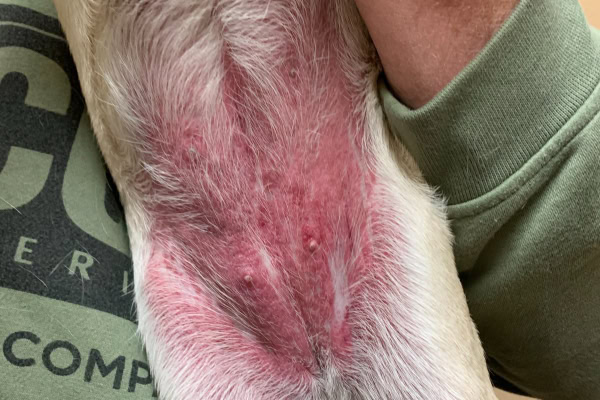
Seek veterinary help if you notice:
✔ Strong odor that doesn’t go away
✔ Red, painful belly
✔ Hair loss
✔ Oozing, sores, or crusting
✔ Constant licking or scooting
✔ Repeated infections
A vet may prescribe antifungals, allergy meds, or run skin tests.
💡 Final Thoughts
A yeasty smell isn’t “normal dog odor.”
It’s your dog telling you something is off in their skin or immune system.
With the right treatment—especially addressing allergies and moisture—most dogs improve quickly and can get back to smelling clean and healthy again.