
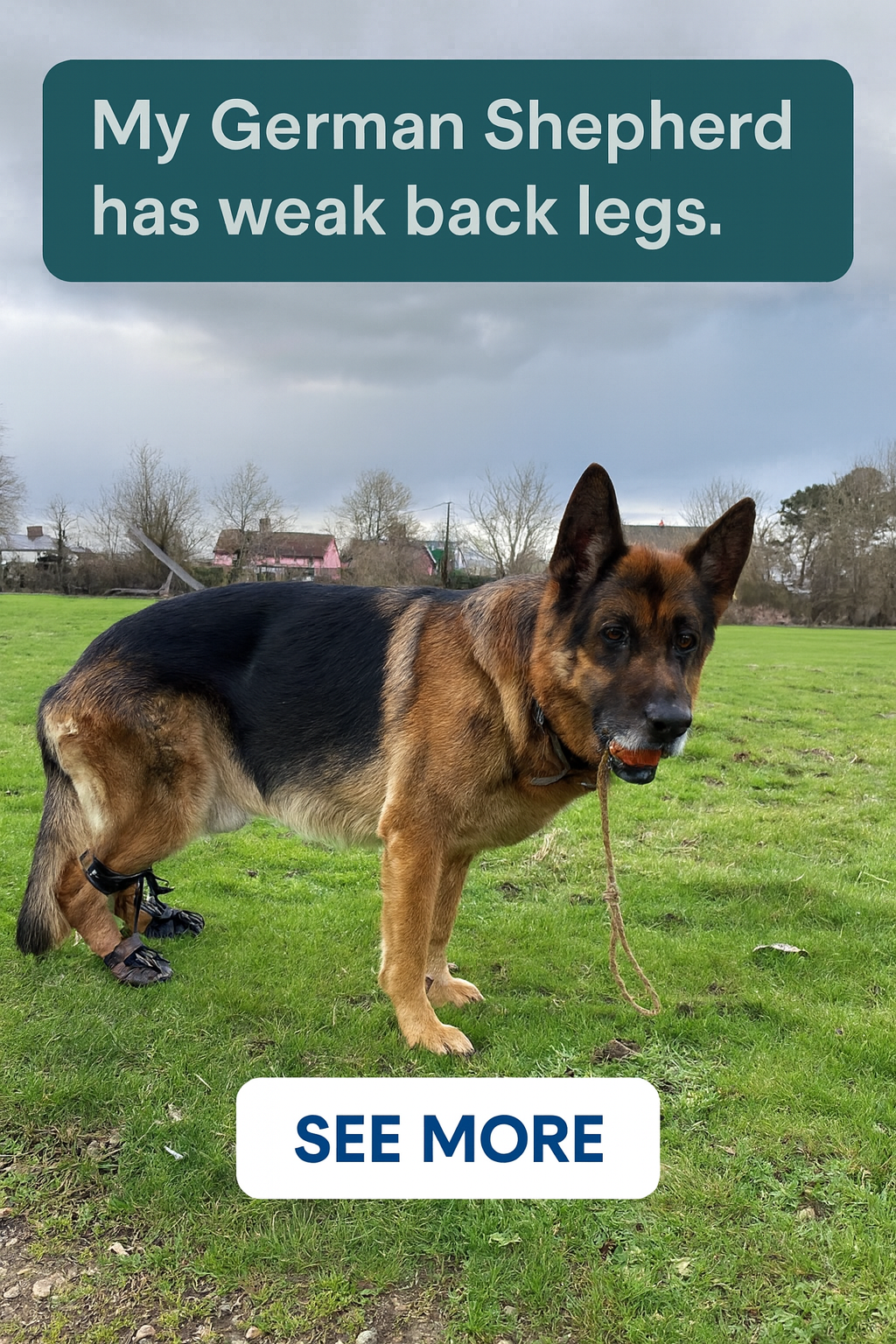
If your German Shepherd’s back legs seem weak, shaky, or unsteady, it’s understandably alarming. Hind-leg weakness is not a normal part of aging, especially in large, active breeds like German Shepherds. While some causes are manageable, others are progressive and require early intervention.
This article explains why German Shepherds commonly develop weak back legs, the most likely causes, warning signs, and what you should do next.
What Does “Weak Back Legs” Look Like?
You might notice your dog:
-
Struggling to stand up or sit down
-
Wobbling or swaying while walking
-
Dragging or scuffing rear paws
-
Difficulty climbing stairs or jumping
-
Collapsing or sitting suddenly during walks
These changes often start subtly and gradually worsen over time.
Most Common Causes of Weak Back Legs in German Shepherds

1. Hip Dysplasia
One of the most common causes.
-
Abnormal hip joint formation
-
Leads to pain, arthritis, and weakness
-
Often worsens with age
Early signs may include stiffness and reduced activity before obvious pain appears.
2. Degenerative Myelopathy (DM)
⚠️ A serious, progressive neurological disease
-
Affects the spinal cord
-
Causes gradual loss of coordination and strength
-
Usually painless
-
Common in senior German Shepherds
Dogs may drag their feet or cross their back legs while walking.
3. Arthritis (Osteoarthritis)
Chronic joint inflammation can cause:
-
Stiffness after rest
-
Difficulty rising
-
Reduced endurance
Pain may be subtle, leading owners to miss early signs.
4. Spinal or Disc Issues
Conditions like:
-
Intervertebral disc disease
-
Spinal compression
-
Lumbosacral disease
can cause weakness, instability, or nerve pain.
5. Muscle Loss or Deconditioning
Reduced activity, illness, or aging may lead to:
-
Muscle wasting
-
Poor rear-end strength
-
Increased instability
When Weak Back Legs Are an Emergency
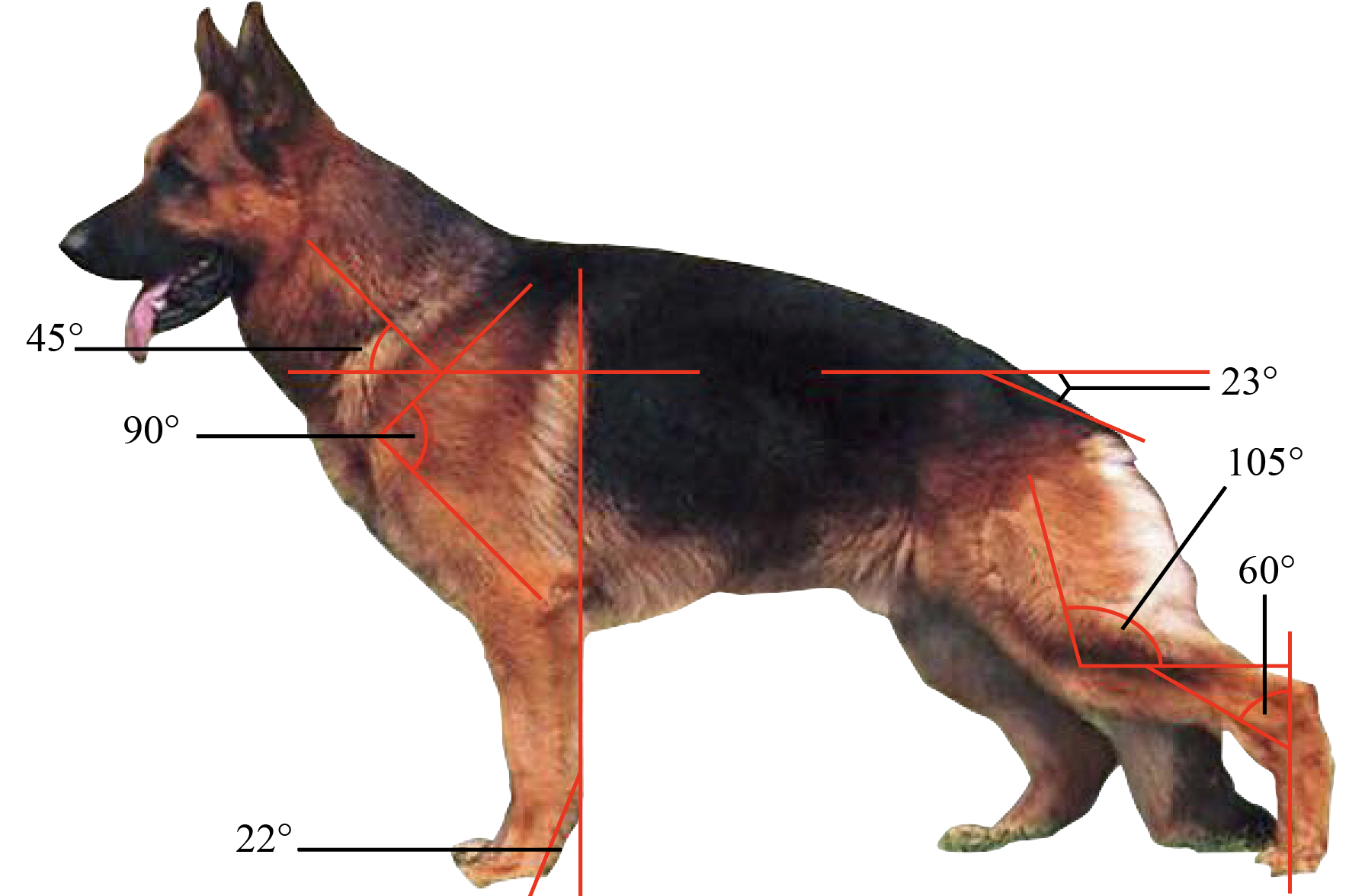
🚨 Seek immediate veterinary care if your dog:
-
Suddenly can’t stand or walk
-
Loses bladder or bowel control
-
Cries out in pain
-
Shows rapid worsening over hours or days
These may indicate acute spinal injury or nerve damage.
What You Can Do Right Now
✅ Limit running, jumping, and stairs
✅ Use rugs or traction mats on slippery floors
✅ Support your dog with a rear-end harness
✅ Keep your dog at a healthy weight
❌ Do NOT force exercise
❌ Do NOT give human pain medication
How Vets Diagnose the Problem
Your veterinarian may recommend:
-
Orthopedic and neurological exams
-
X-rays or advanced imaging
-
Blood tests
-
Genetic testing (for DM)
Accurate diagnosis is crucial for proper treatment.
Treatment Options (Depend on the Cause)
-
Pain management and anti-inflammatory meds
-
Physical therapy or hydrotherapy
-
Joint supplements
-
Mobility aids (harnesses, carts)
-
Surgery (in select cases)
While not all conditions are curable, many can be managed to maintain quality of life.
Final Takeaway
Weak back legs in a German Shepherd should never be ignored. Whether it’s hip dysplasia, arthritis, or a neurological condition, early diagnosis gives your dog the best chance at comfort and mobility.
🐾 Your dog may not cry out—but their body is telling you something important.