
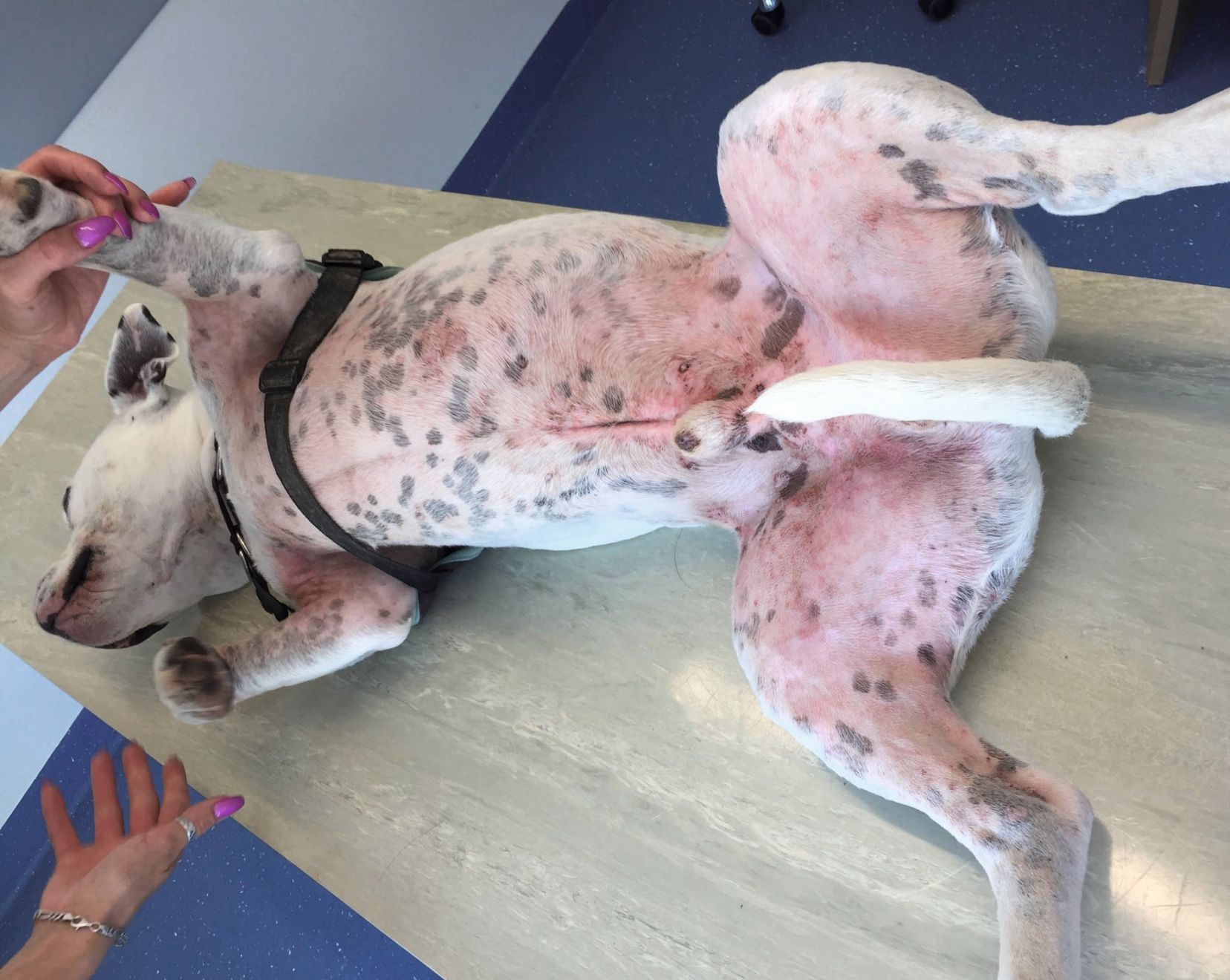
Finding fresh blood in your dog’s stool is one of the scariest things for any pet owner. The good news?
Not every case means a life-threatening emergency.
But some do, and knowing the difference can save your dog’s life.
Here’s everything you need to know: causes, danger signs, and what to do immediately.
1️⃣ What Does Bloody Stool Look Like?
There are two major types:
🔴 1. Fresh red blood (Hematochezia)
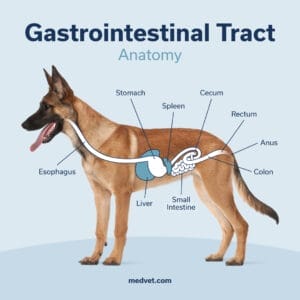
Indicates bleeding in the lower intestines, colon, or rectum.
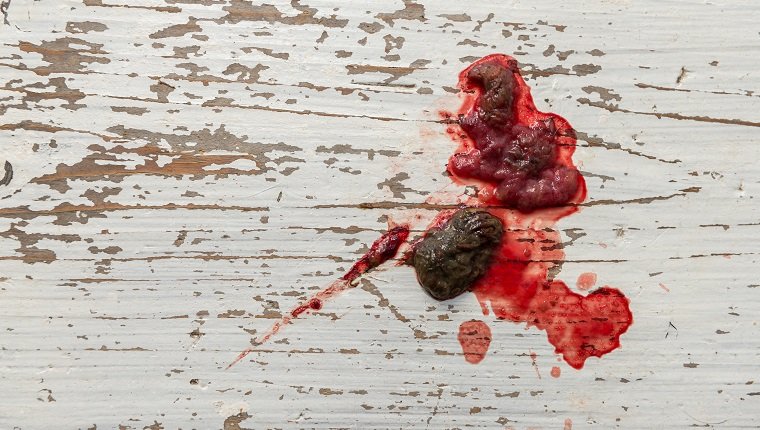
⚫ 2. Black, tar-like stool (Melena)
Means digested blood → upper GI bleeding, more dangerous.
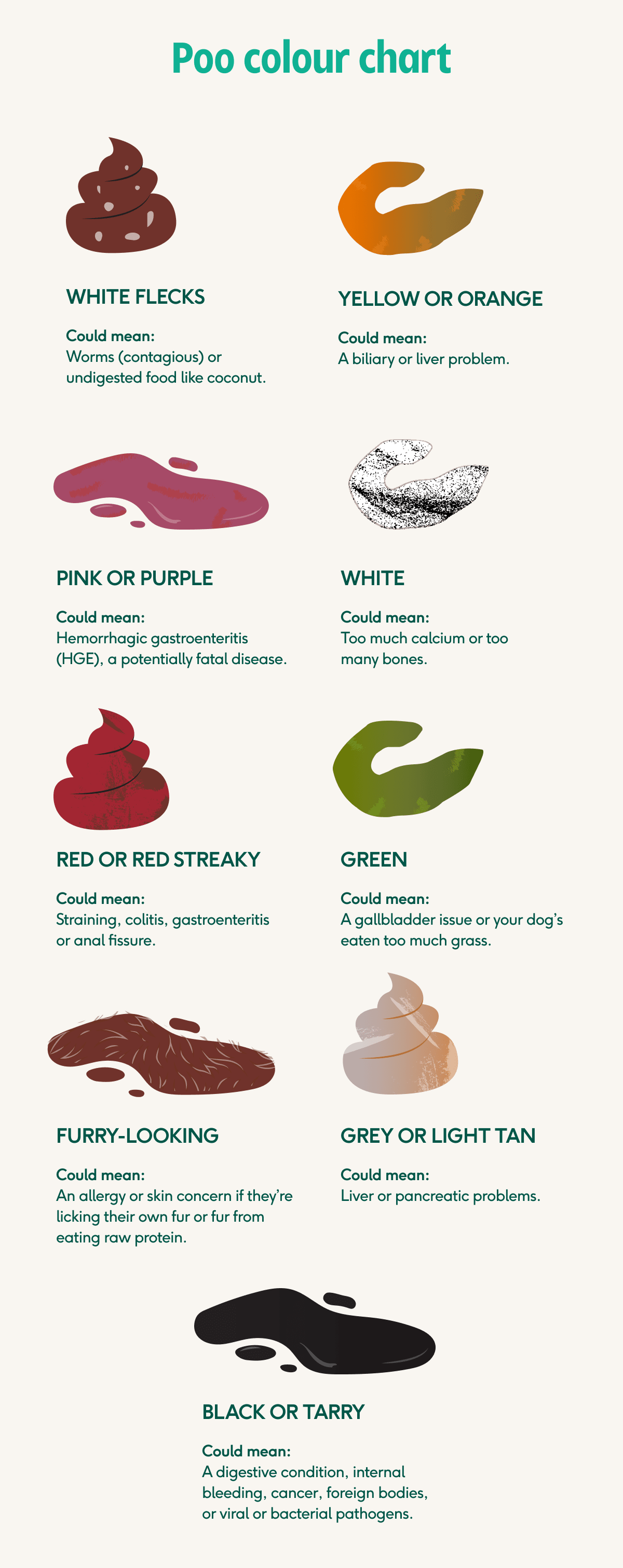
2️⃣ Most Common Causes of Sudden Bloody Stool
🔶 1. Stress-Induced Colitis
A sudden change such as boarding, loud noises, moving, or new environments can cause colon inflammation.
Symptoms:
-
Mucus + streaks of blood
-
Straining to poop
-
Soft stool

🔶 2. Parasites (Hookworms, Whipworms, Giardia)
Very common, especially in puppies.
Signs:
-
Bloody diarrhea
-
Weight loss
-
Dehydration
🔶 3. Hemorrhagic Gastroenteritis (HGE) — Medical Emergency
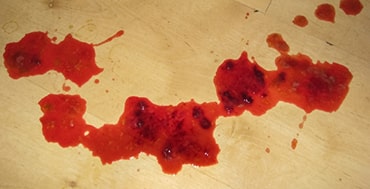
Extremely sudden + severe bloody diarrhea like raspberry jam.
Symptoms:
-
Vomiting
-
Extreme dehydration
-
Rapid decline
🔶 4. Food Sensitivity or Diet Change
Common when switching dog food too fast.

🔶 5. Ingestion of Foreign Objects or Toxins
Bones, sticks, toxic plants, chemicals → GI bleeding.

🔶 6. Anal Gland Problems
Abscess rupture may release blood.

3️⃣ When Is Bloody Stool an Emergency? (DON’T WAIT)
Rush to the vet immediately if:
-
Bloody stool + vomiting
-
Bloody diarrhea for more than 12 hours
-
Weakness or collapse
-
Black tarry stool (melena)
-
Your dog is a puppy or senior
-
Refusal to eat
-
Visible dehydration (sticky gums, sunken eyes)

4️⃣ What To Do IMMEDIATELY at Home
✔️ Step 1: Remove food for 8–12 hours
Allows GI tract to rest.
✔️ Step 2: Offer water or electrolyte solution
Prevent dehydration.
✔️ Step 3: Switch to a bland diet for 24–48 hours
-
Boiled chicken
-
Plain rice
-
Pumpkin

✔️ Step 4: Monitor stool changes closely
Take pictures to show your vet.
✔️ Step 5: Go to the vet if blood persists
Even mild symptoms should be checked if lasting more than 24 hours.
5️⃣ How Vets Diagnose the Cause
A veterinarian may perform:
-
Fecal test (parasites)
-
Bloodwork
-
X-ray
-
Ultrasound
-
Parvo test (in puppies)
-
Diet allergy assessment
Treatment depends heavily on the cause but may include fluids, antibiotics, anti-parasite meds, GI protectants, or hospitalization.
6️⃣ Can Bloody Stool Be Prevented?
Yes — in many cases:
-
Keep dog on consistent, high-quality diet
-
Avoid sudden food changes
-
Routine deworming schedule
-
Prevent stress triggers
-
Keep trash + toxic foods out of reach
-
Regular anal gland checks