
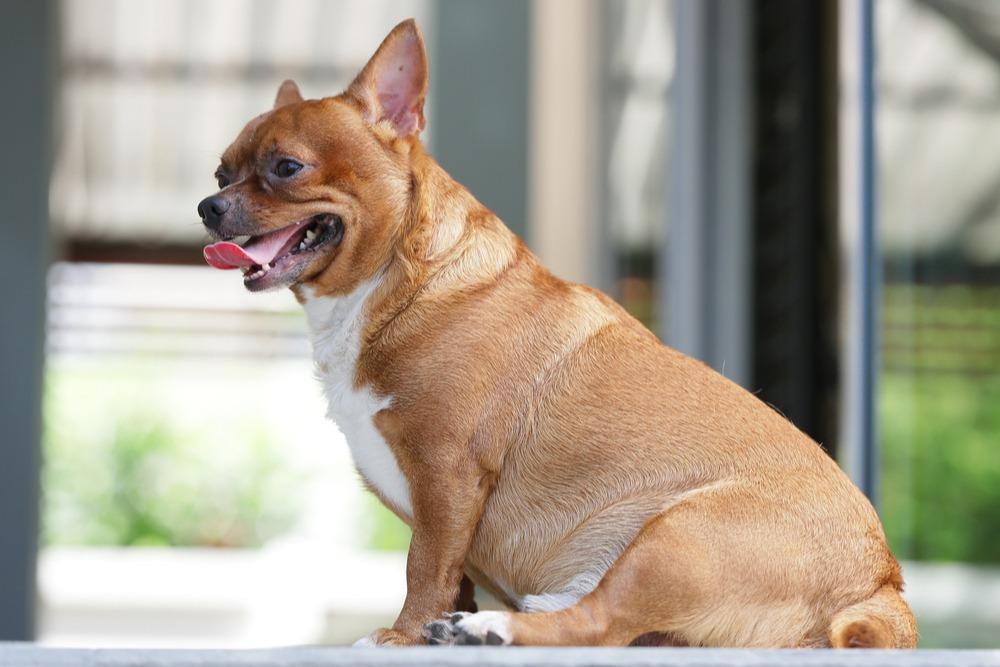
If your dog has gained weight quickly while becoming less active, this is more than just “too many treats.” Sudden weight gain paired with low energy often points to medical, hormonal, or pain-related issues—and catching them early can make a big difference.
Below is a clear breakdown of common causes, warning signs, and what to do next.
What This Pattern Looks Like
You might notice:
-
Rapid weight gain over weeks or a few months
-
Less interest in walks or play
-
Sleeping more than usual
-
Difficulty getting up or slowing down
-
No major changes in food amount
👉 Weight gain + low activity together is the key red flag.
Most Common Causes
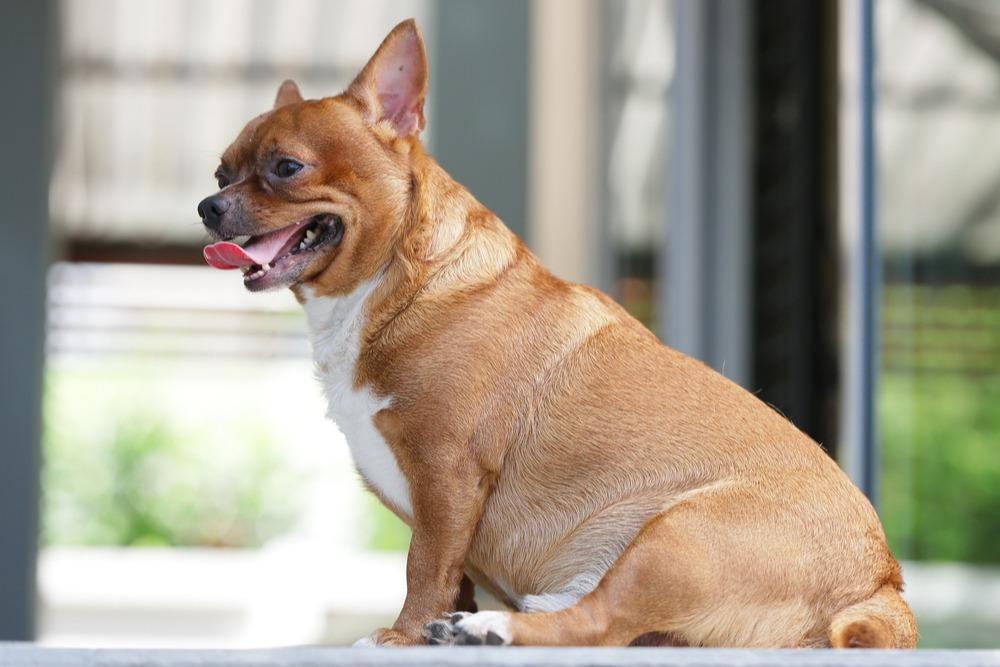
1. Hypothyroidism (Very Common)
A low thyroid slows metabolism.
-
Unexplained weight gain
-
Low energy
-
Cold intolerance
-
Hair thinning or skin issues
Often affects middle-aged dogs.
2. Cushing’s Disease
Excess cortisol alters metabolism.
-
Weight gain (especially belly)
-
Muscle loss
-
Increased thirst/urination
-
Panting
Energy may drop despite appetite changes.
3. Pain Limiting Movement
Dogs move less when it hurts.
-
Arthritis
-
Hip or knee problems
-
Back pain
Less movement → fewer calories burned → weight gain.
4. Medication Side Effects
Some meds can cause:
-
Increased appetite
-
Fluid retention
-
Reduced activity
Common culprits include steroids and some seizure meds.
5. Post-Spay/Neuter Metabolic Changes
After sterilization:
-
Metabolism can slow
-
Energy needs decrease
Without diet adjustment, weight gain follows.
6. Reduced Activity From Lifestyle Changes
-
Less walking time
-
Hot or cold weather
-
Owner schedule changes
These usually cause gradual, not sudden, gain—but can contribute.
When This Is Concerning
🚨 See your vet if you notice:
-
Rapid weight gain without diet change
-
Lethargy or exercise intolerance
-
Hair loss or skin changes
-
Increased thirst or urination
-
Weakness or stiffness
Sudden changes deserve a medical check.
What Your Vet May Check
-
Physical exam (joints, spine, pain)
-
Blood tests (thyroid, cortisol, organ function)
-
Medication review
-
Body condition scoring
Diagnosis guides the right fix.
What You Can Do Right Now
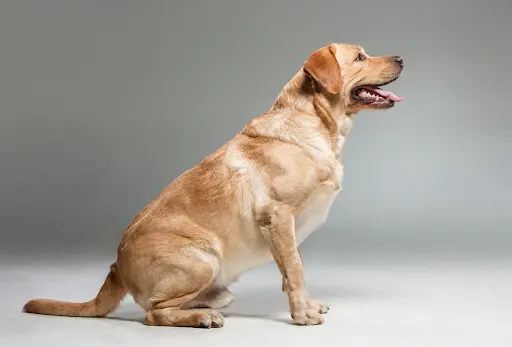
1. Measure Food Accurately
-
Use a measuring cup
-
Avoid free-feeding
-
Cut back treats (or swap for veggies)
2. Add Low-Impact Activity
-
Short, frequent walks
-
Swimming or underwater treadmill
-
Gentle play
Movement should be comfortable, not forced.
3. Support Joints
-
Non-slip flooring
-
Orthopedic bed
-
Vet-approved joint supplements
Comfort helps dogs move more.
4. Don’t Start Extreme Diets
❌ Avoid drastic calorie cuts without vet advice—especially if a hormonal issue is suspected.
Can Dogs Lose Weight Safely After This?
Yes—very often.
When the underlying cause is treated and calories/activity are balanced, dogs commonly:
-
Regain energy
-
Lose excess weight gradually
-
Improve mobility and mood
Slow, steady progress is best.
Final Takeaway
Sudden weight gain with low activity is your dog’s way of saying something has changed internally. While diet matters, medical and pain-related causes are common—and treatable.
🐾 Weight gain isn’t always about willpower. Sometimes it’s about health.