
Introduction
When emotional pain feels overwhelming, many people turn to alcohol as a quick escape. A drink may seem to calm anxiety, lift sadness, or help with sleep—but this relief is temporary and deceptive. Using alcohol to “self-medicate” emotional or mental health struggles can quietly deepen those very problems, creating a dangerous cycle that’s hard to break.
Understanding why this happens is the first step toward choosing healthier, lasting ways to cope.
What Does “Self-Medication” with Alcohol Mean?
Self-medicating with alcohol means drinking to cope with emotional distress rather than for social enjoyment. People often use alcohol to deal with:
Anxiety or panic
Depression or persistent sadness
Trauma or painful memories
Stress, burnout, or loneliness
Sleep problems
At first, alcohol seems to work because it depresses the central nervous system, slowing thoughts and dulling emotions. But this effect is short-lived—and the cost is high.
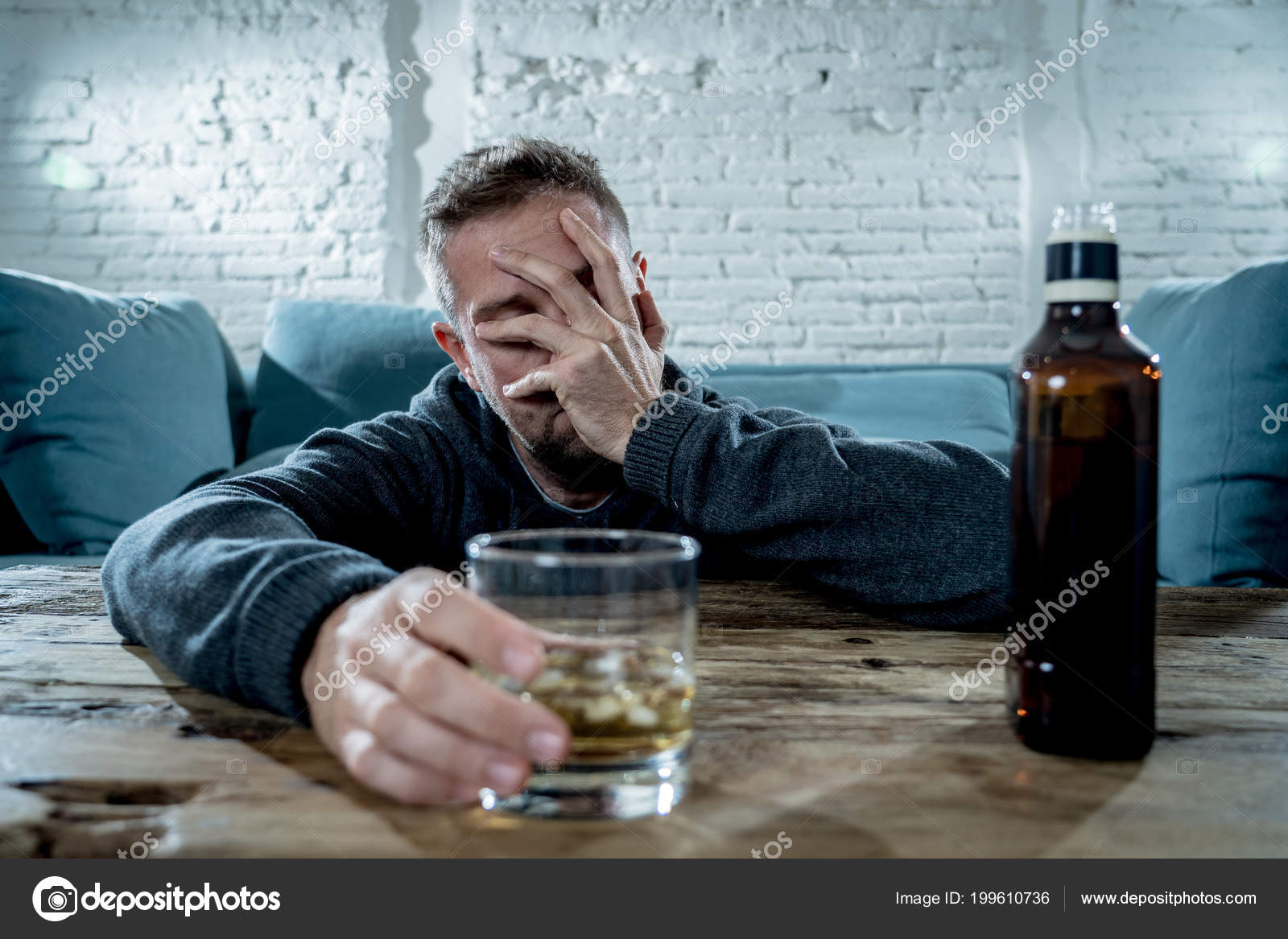
Illustration: Using alcohol alone as a way to cope with emotional pain.
Why Alcohol Makes Mental Health Worse
1. Alcohol Intensifies Anxiety and Depression
While alcohol may temporarily numb feelings, it ultimately disrupts brain chemicals like serotonin and dopamine—key regulators of mood. Over time, this leads to:
Increased anxiety after drinking
Deeper depressive episodes
Mood swings and irritability
Many people feel worse the day after drinking, which pushes them to drink again for relief.
2. It Creates a Dangerous Emotional Loop
The cycle often looks like this:
Emotional pain → Drinking for relief → Temporary numbness → Stronger emotional crash → More drinking
This loop reinforces dependence on alcohol instead of addressing the root cause.
3. Alcohol Masks the Real Problem
Self-medication delays proper treatment. Anxiety disorders, depression, PTSD, and insomnia don’t disappear with alcohol—they grow silently in the background. By the time help is sought, symptoms are often more severe and harder to treat.
4. Increased Risk of Addiction
Using alcohol as a coping tool trains the brain to associate relief with drinking. Over time, tolerance builds, requiring more alcohol to achieve the same effect—one of the clearest pathways to alcohol use disorder.
Illustration: How alcohol disrupts brain chemistry and reinforces dependence.
The Hidden Consequences of Self-Medicati ng with Alcohol
Sleep disruption: Alcohol fragments sleep, worsening fatigue and mood
Poor decision-making: Increased risk-taking, relationship conflicts, and regret
Physical health damage: Liver disease, heart problems, and weakened immunity
Isolation: Shame and secrecy often grow alongside drinking
What starts as “just a drink to cope” can slowly take control of daily life.
Healthier Alternatives to Self-Medication
Replacing alcohol doesn’t mean facing pain alone. Effective, healthier options include:
Professional support: Therapy, counseling, or psychiatric care
Mind-body practices: Exercise, meditation, breathwork, or yoga
Connection: Talking honestly with trusted friends or support groups
Medical help: Safe, prescribed treatments when appropriate
Healing begins when coping shifts from avoidance to understanding.
When to Seek Help
If alcohol feels like your main emotional support—or stopping feels impossible—it’s a sign to reach out. Seeking help isn’t weakness; it’s an act of self-respect and survival.
Final Thoughts
Alcohol doesn’t heal emotional pain—it postpones it, often making it stronger. True relief comes from addressing what hurts, not numbing it away. Choosing healthier coping tools may feel harder at first, but they lead to real stability, clarity, and hope.
You deserve support that truly helps—not something that quietly harms.