

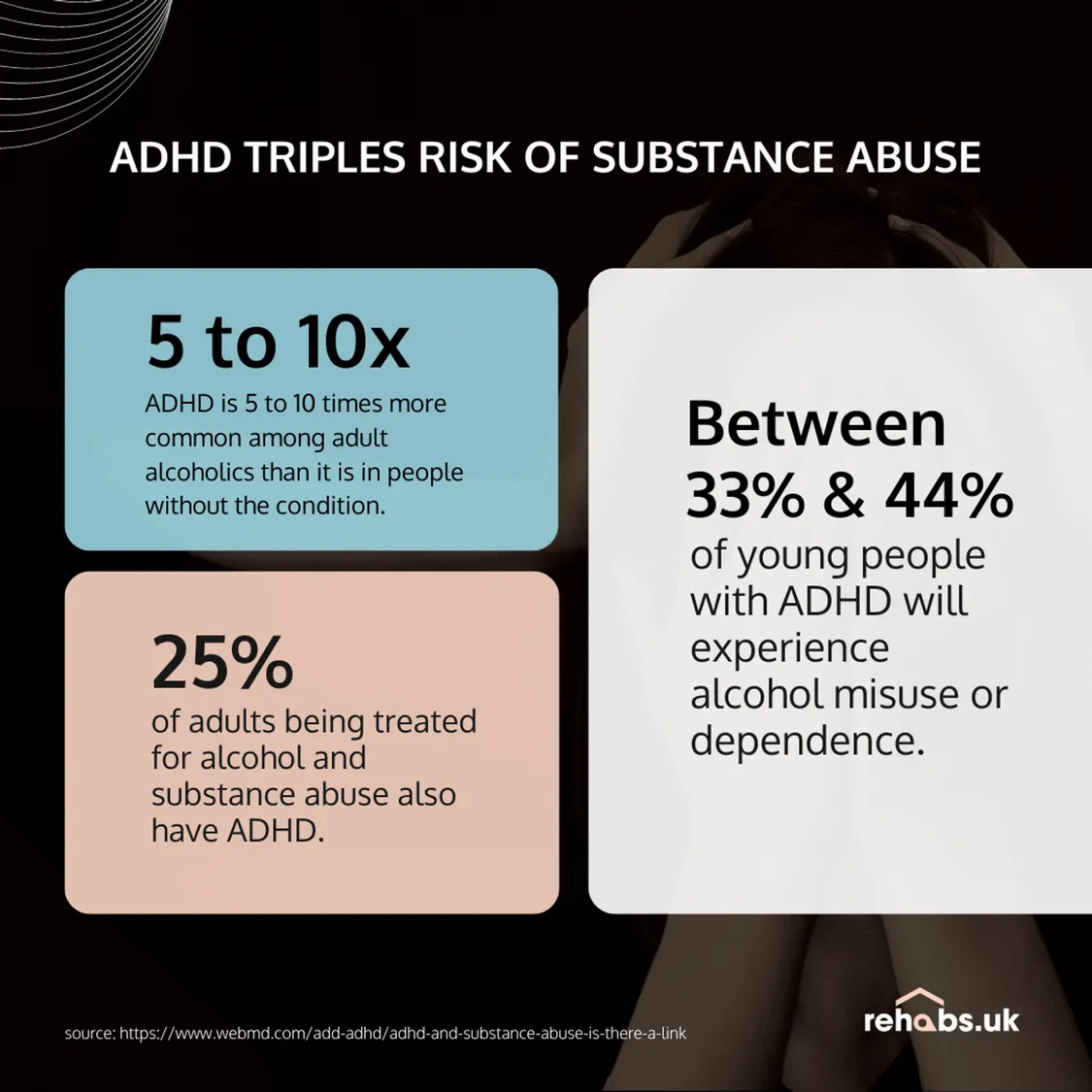


Introduction
Attention-Deficit/Hyperactivity Disorder (ADHD) is often misunderstood as a childhood condition that people simply “grow out of.” In reality, millions of adults live with undiagnosed or untreated ADHD — and for many, the consequences quietly escalate into substance misuse.
Alcohol, nicotine, stimulants, or other substances can become a way to cope with emotional chaos, racing thoughts, and chronic restlessness. When ADHD goes untreated, the risk of addiction doesn’t just increase — it compounds.
Why Untreated ADHD Raises the Risk of Substance Misuse


1. Dopamine Deficiency and Constant Craving
ADHD is closely linked to low dopamine activity in the brain. Dopamine regulates motivation, reward, and focus. Substances like alcohol, nicotine, and drugs temporarily boost dopamine levels, creating a short-lived sense of calm, clarity, or pleasure.
For someone with untreated ADHD, this relief can feel life-changing — making substances dangerously appealing.
Image caption: Substances artificially stimulate dopamine pathways already underactive in ADHD brains.
2. Impulsivity Without a Pause Button
Impulsivity is a core feature of ADHD. Without treatment, individuals may struggle to:
-
Delay gratification
-
Resist urges
-
Think through long-term consequences
This makes experimentation with substances more likely — and stopping much harder once patterns form.
Image caption: Impulsivity reduces the brain’s ability to interrupt risky behaviors.
3. Emotional Dysregulation and Self-Medication
Untreated ADHD often comes with:
-
Intense mood swings
-
Chronic frustration
-
Emotional overwhelm
-
Low self-esteem
Many people turn to substances not to “get high,” but to feel normal, calmer, or emotionally numb.
Image caption: Substance use often begins as emotional self-medication, not recreation.
4. Co-Occurring Mental Health Conditions
Anxiety, depression, and sleep disorders frequently coexist with ADHD. When ADHD remains untreated, these conditions may worsen — further increasing reliance on substances for relief.
This creates a feedback loop:
ADHD symptoms → emotional distress → substance use → worsening ADHD symptoms
Image caption: Co-occurring conditions intensify addiction risk.
The Silent Spiral: ADHD and Addiction Reinforcing Each Other
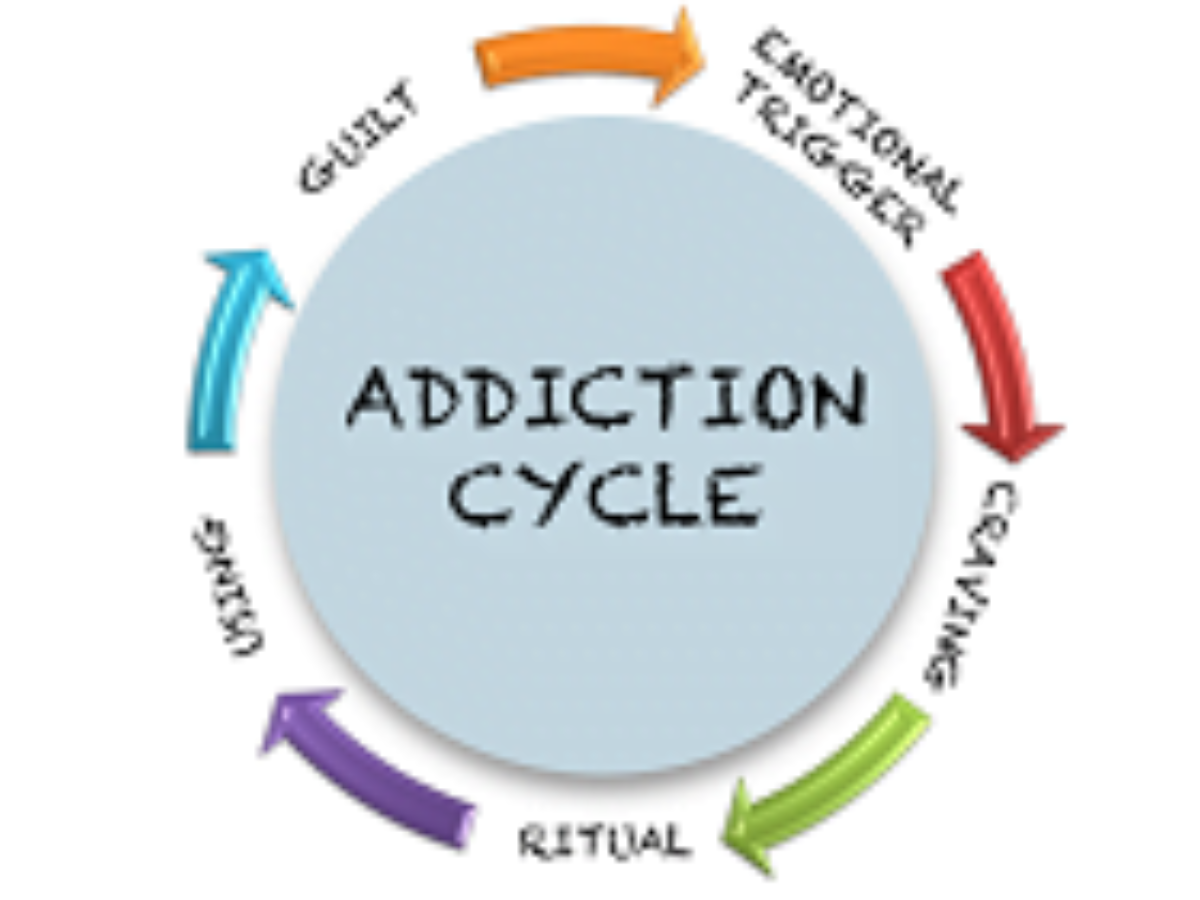


Substance misuse doesn’t just coexist with ADHD — it actively worsens it. Alcohol and drugs impair:
-
Executive function
-
Emotional control
-
Attention and memory
Over time, ADHD symptoms become more severe, leading to increased substance use just to cope with daily life.
Image caption: A self-reinforcing cycle that becomes harder to escape over time.
Breaking the Cycle: Why Treatment Changes Everything


Treating ADHD doesn’t just improve focus — it reduces addiction risk dramatically. Effective approaches include:
-
ADHD-specific therapy
-
Medication when appropriate
-
Skills training for impulse control
-
Emotional regulation strategies
When ADHD symptoms are managed, the urge to self-medicate often fades.
Image caption: Proper ADHD treatment reduces the need for harmful coping strategies.
Key Takeaway
Untreated ADHD is not a minor inconvenience — it is a serious risk factor for substance misuse. Many people don’t lack willpower; they lack diagnosis, support, and understanding.
Recognizing and treating ADHD early can prevent years of addiction, relapse, and unnecessary suffering.