
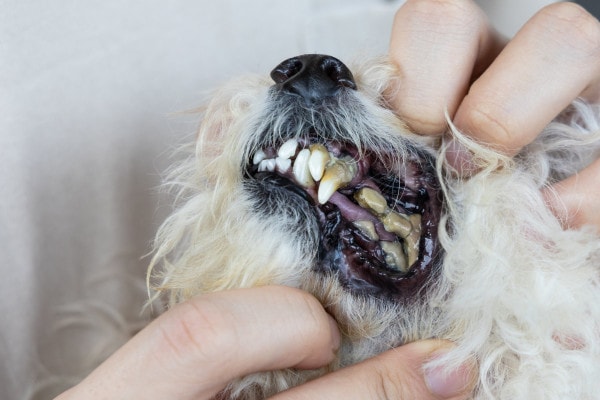
If your dog’s breath smells foul, metallic, rotten, fishy, or unusually strong, it’s not normal “dog breath.” In most cases, a weird mouth odor points to dental disease—but it can also signal other health problems that deserve attention.
Here’s how to tell what the smell means, when it’s serious, and what to do next.
What “Abnormal” Dog Breath Smells Like
Pay attention to the type of odor—it offers clues:
-
🦠 Rotten / garbage smell → Dental disease, infection
-
🩸 Metallic smell → Bleeding gums, oral injury
-
🐟 Fishy smell → Infected tooth or oral abscess
-
🧪 Ammonia / urine-like → Possible kidney issue (urgent)
-
🍬 Sweet / fruity → Possible diabetes (urgent)
👉 Any strong, persistent odor is a red flag.
Most Common Cause: Dental Disease (Very Likely)
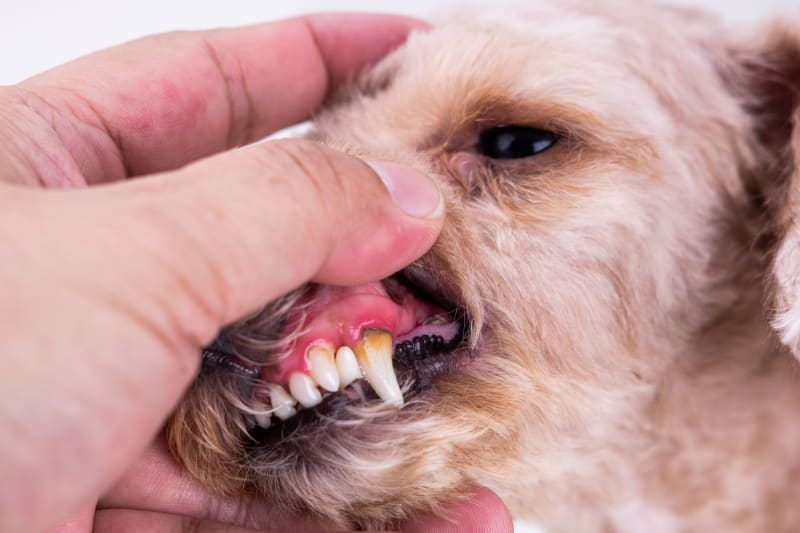
What’s Happening
-
Plaque hardens into tartar
-
Bacteria build up under the gumline
-
Gums become inflamed and infected
-
Teeth loosen, abscesses form
Over 80% of dogs over age 3 have some degree of dental disease.
Signs That Point to a Dental Problem
-
Bad breath that doesn’t improve
-
Yellow/brown tartar on teeth
-
Red, swollen, or bleeding gums
-
Pawing at the mouth
-
Drooling
-
Chewing on one side
-
Dropping food
⚠️ Dental infections are painful, even if dogs hide it.
Other Causes of a Weird Mouth Smell
1. Oral Abscess or Broken Tooth
-
Extremely foul or fishy odor
-
Swelling near the jaw or eye
-
Sudden refusal to chew
This needs urgent veterinary care.
2. Kidney Disease
-
Ammonia or urine-like breath
-
Increased drinking and urination
-
Weight loss, lethargy
🚨 This is a medical emergency if suspected.
3. Diabetes
-
Sweet or fruity breath
-
Increased thirst and appetite
-
Weight loss
Also urgent—requires testing.
4. Foreign Object or Infection
-
Bone fragments
-
Sticks
-
Food trapped in the mouth
Can cause localized infection and odor.
What You Should Do Now

✅ Step 1: Check the Mouth (If Safe)
Look for:
-
Tartar buildup
-
Red or bleeding gums
-
Broken teeth
-
Swelling
Stop if your dog shows pain.
✅ Step 2: Schedule a Vet Visit
Your vet may recommend:
-
Oral exam
-
Dental X-rays
-
Professional cleaning
-
Bloodwork (if systemic disease suspected)
❌ What NOT to Do
-
Don’t rely on breath sprays or treats alone
-
Don’t ignore the smell
-
Don’t attempt tooth removal at home
Masking odor does not treat disease.
How Dental Problems Are Treated
Depending on severity:
-
Professional dental cleaning
-
Tooth extractions (if needed)
-
Antibiotics for infection
-
Pain management
Most dogs feel dramatically better after treatment.
How to Prevent Future Mouth Odor
-
Brush teeth regularly (best option)
-
Use vet-approved dental chews
-
Annual dental exams
-
Early cleanings before severe disease develops
When It’s an Emergency
🚨 Seek urgent care if breath is:
-
Ammonia-like
-
Sweet/fruity
-
Accompanied by lethargy, vomiting, or appetite loss
Final Takeaway
A weird smell from your dog’s mouth is not normal and is most often a sign of dental disease or infection—both painful and progressive if untreated. The sooner you act, the easier (and cheaper) it is to fix.
🐾 Bad breath is your dog’s way of asking for help. Listen early.