

Introduction
Quitting substances is often portrayed as a moment of relief, clarity, and renewed hope. Yet for many people, the days or weeks after stopping drugs or alcohol bring an unexpected emotional crash. Depression after quitting substances is not a sign of weakness or failure—it is a common neurochemical and psychological response as the brain and body struggle to rebalance. Understanding why this happens is crucial for navigating recovery safely and compassionately.
1. The Brain’s Reward System Is Temporarily Disrupted
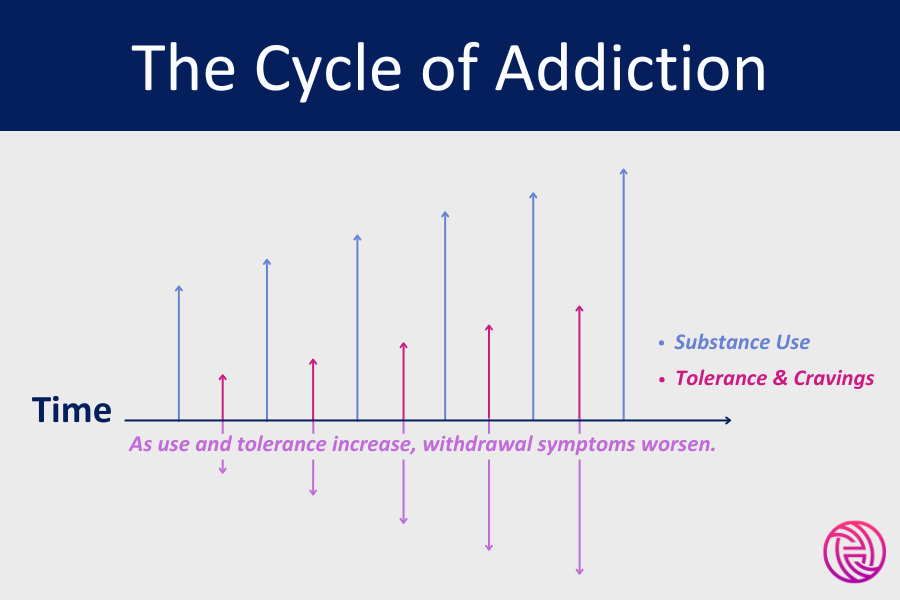

Caption: Long-term substance use alters dopamine signaling in the brain.
Most addictive substances flood the brain with dopamine, the chemical responsible for pleasure, motivation, and reward. Over time, the brain adapts by reducing its natural dopamine production.
When substance use stops, dopamine levels drop sharply. The result is a period of emotional numbness, sadness, or hopelessness—often referred to as post-acute withdrawal depression. The brain simply hasn’t relearned how to generate pleasure naturally yet.
2. Emotional Pain Resurfaces Without Chemical Numbing

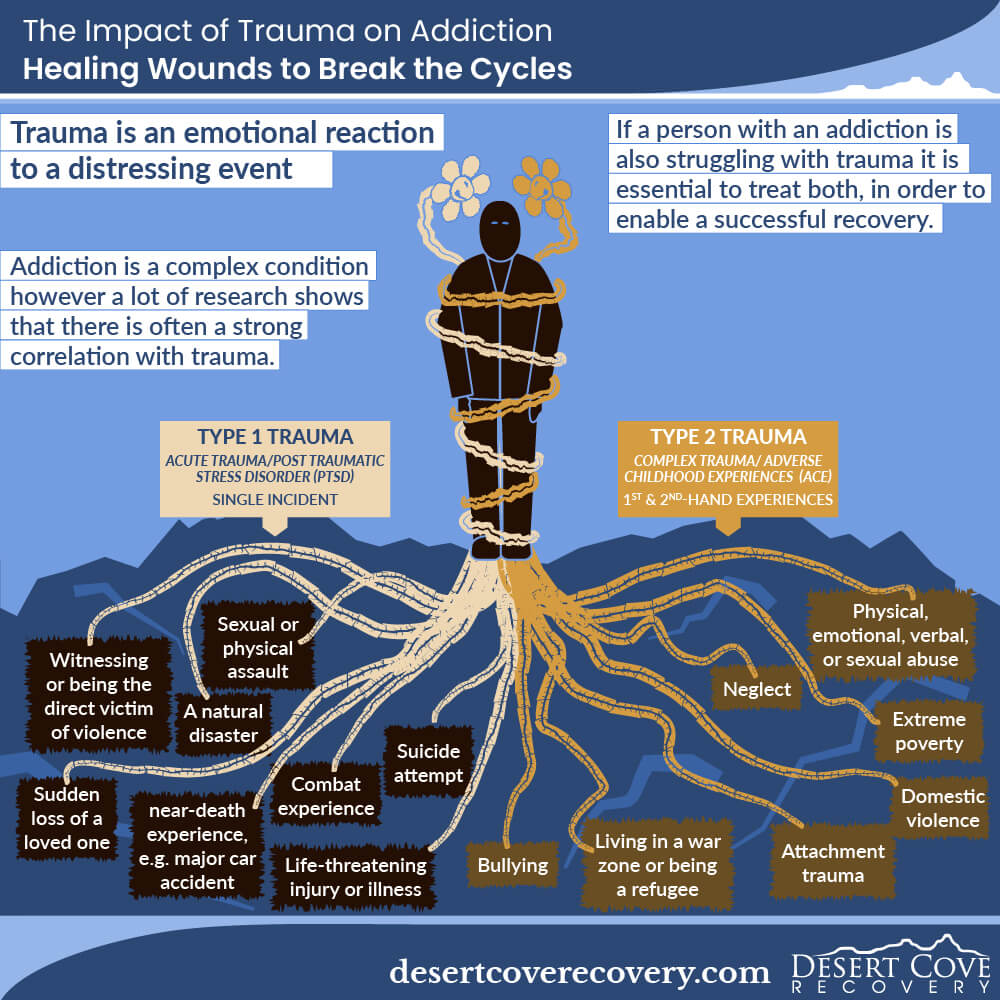
Caption: Sobriety can bring buried emotions back to the surface.
Substances often act as emotional anesthetics. They mute grief, trauma, anxiety, or unresolved stress.
When someone quits, those emotions don’t disappear—they return, often all at once. Depression can emerge as the mind begins processing feelings that were postponed for months or years.
3. Loss of a Coping Mechanism Creates an Emotional Void
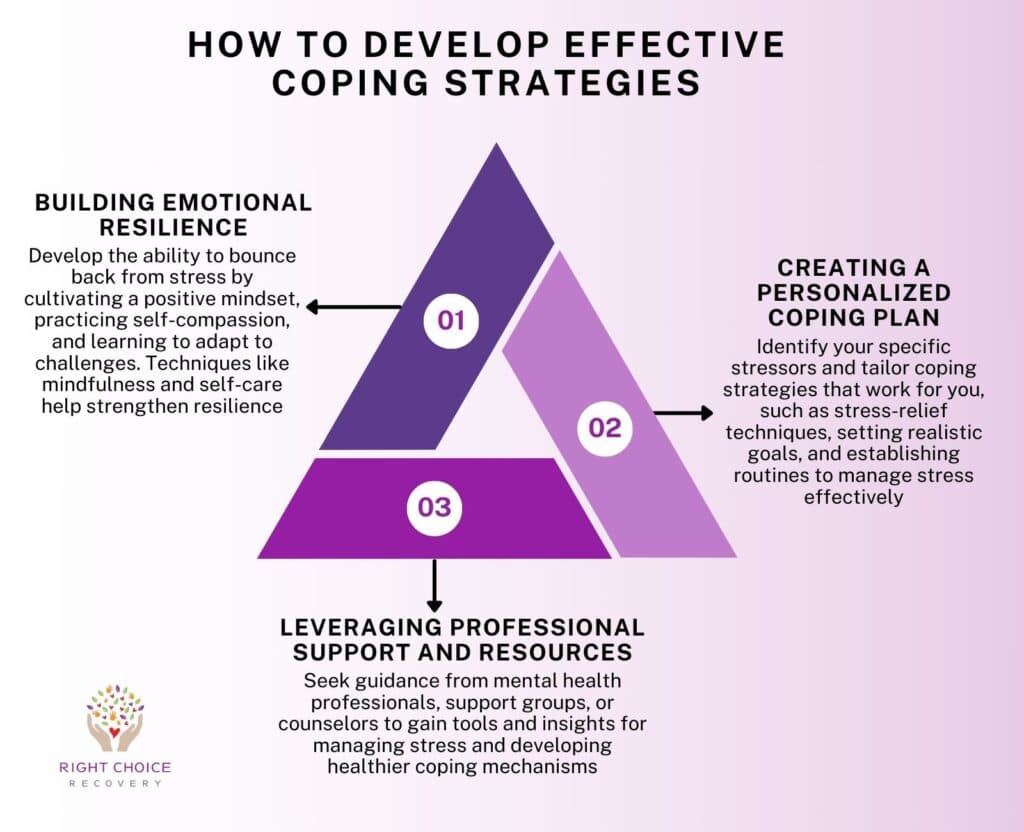

Caption: Removing substances can leave a psychological gap that takes time to refill.
For many, substances were not just habits—they were coping tools. They were used to manage boredom, loneliness, stress, or social discomfort.
Once removed, the individual may feel lost or emotionally exposed. This absence can feel like grief, contributing to depressive symptoms until healthier coping strategies are developed.
4. Withdrawal and Post-Acute Withdrawal Syndrome (PAWS)
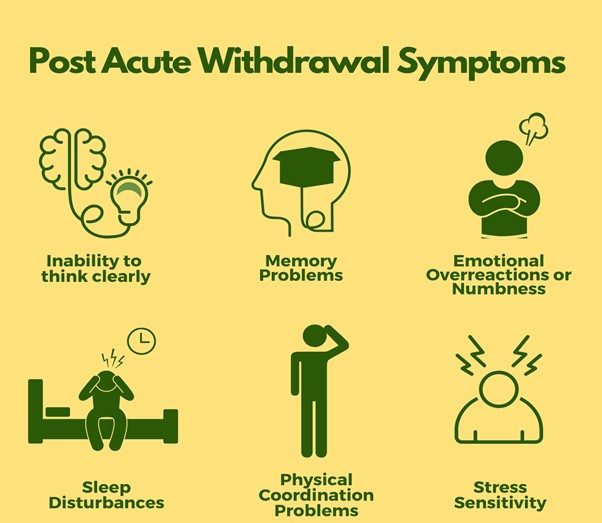
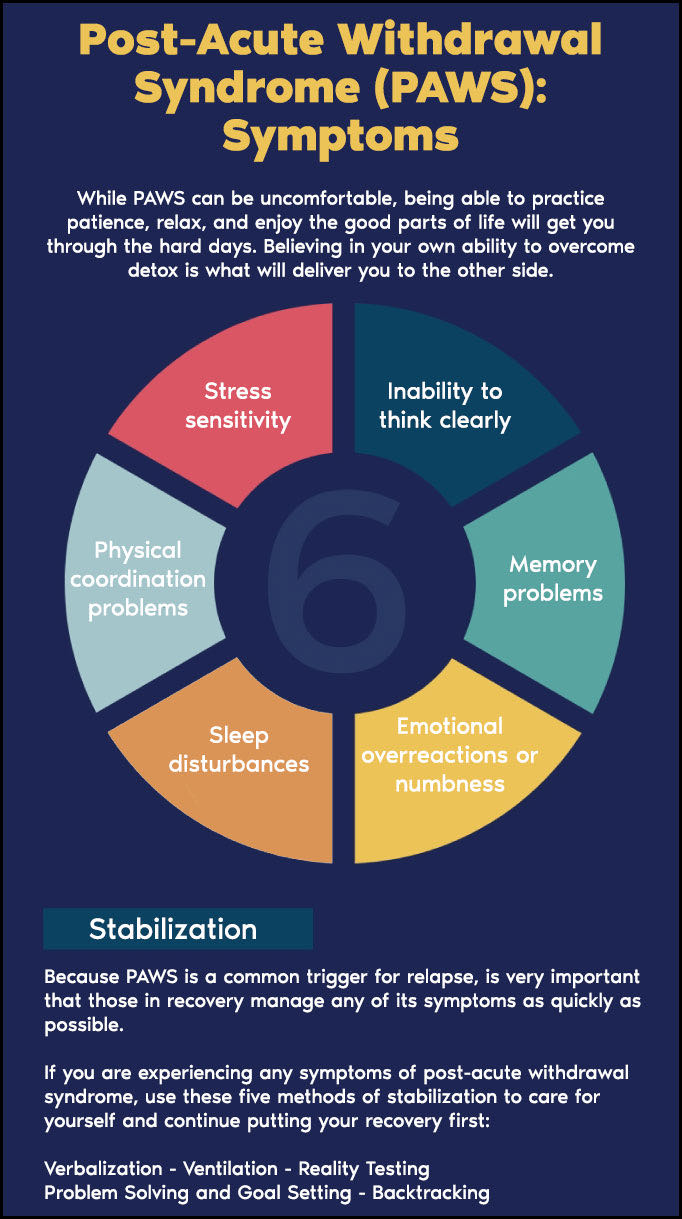
Caption: PAWS can cause mood swings and depression long after detox ends.
Even after physical withdrawal ends, Post-Acute Withdrawal Syndrome (PAWS) can linger for weeks or months. Symptoms may include:
-
Low mood or depression
-
Irritability
-
Anxiety
-
Sleep disturbances
-
Difficulty concentrating
These symptoms fluctuate, often making recovery feel unpredictable and emotionally exhausting.
5. Identity and Lifestyle Changes Can Trigger Depression
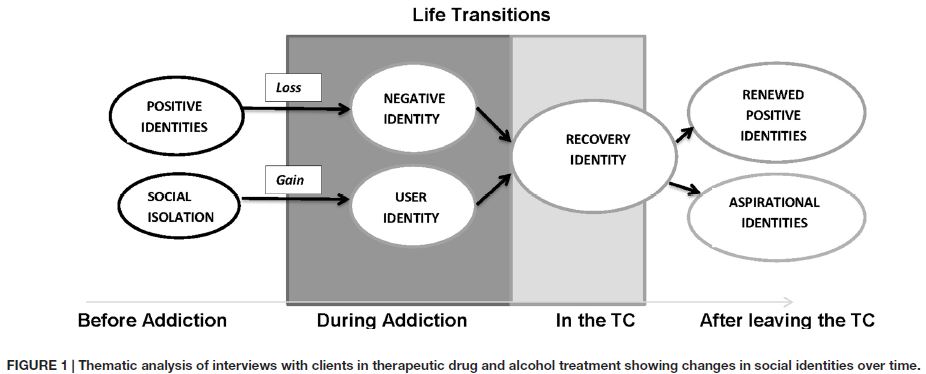
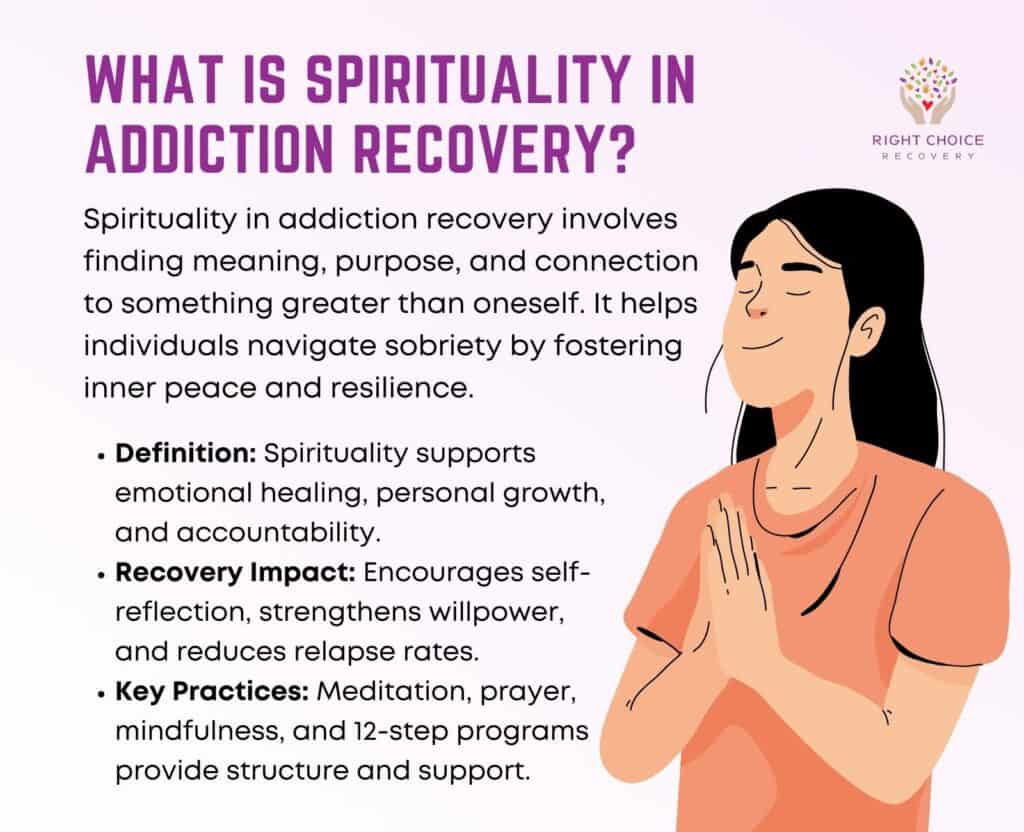
Caption: Recovery often requires redefining identity and purpose.
Substance use can become intertwined with identity, routines, and social circles.
When quitting, individuals may lose relationships, habits, or a sense of belonging. This identity shift can provoke existential sadness—Who am I without this?—a powerful contributor to depression during early recovery.
6. Depression Does Not Mean Recovery Is Failing


Caption: Emotional pain in recovery often signals healing, not failure.
Experiencing depression after quitting substances does not mean sobriety was a mistake. In fact, it often means the brain is healing and recalibrating. Neurochemistry, emotions, and coping systems need time to stabilize.
With proper support—therapy, peer groups, medication when appropriate, nutrition, exercise, and patience—mood typically improves. Many people report deeper emotional resilience and joy on the other side of this difficult phase.
Conclusion
Depression after quitting substances is common, real, and temporary. It reflects a brain learning how to function without artificial stimulation and a mind confronting emotions honestly for the first time in a long while. Recovery is not just about stopping substance use—it’s about rebuilding emotional balance, meaning, and self-trust.
If depression feels overwhelming or persistent, seeking professional help is not a setback—it’s a powerful step forward.