
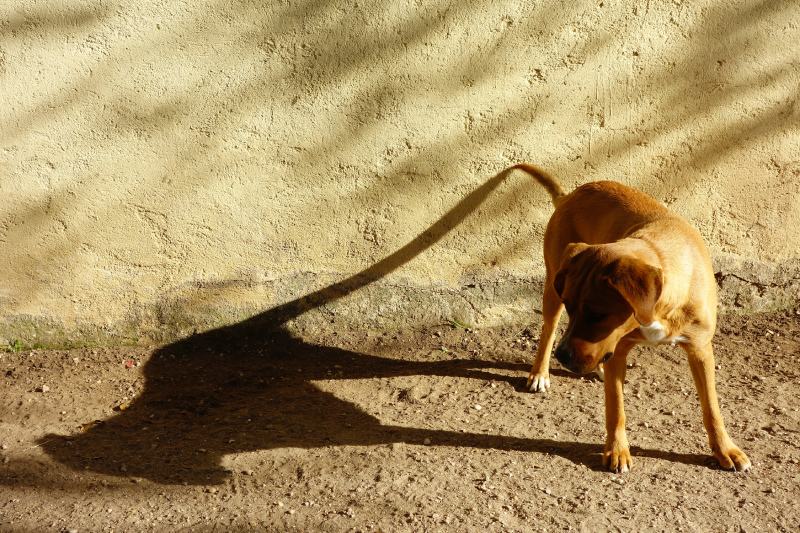
If your dog obsessively chases shadows, light reflections, or moving spots on walls and floors, it can start as something that looks playful—but over time, it often becomes concerning and exhausting. Constant shadow chasing is not normal play behavior. It usually signals anxiety, compulsive disorder, overstimulation, or sometimes a neurological issue.
This article explains why dogs chase shadows nonstop, when it’s harmless vs. dangerous, and how to help your dog break the cycle safely.
What Does Shadow Chasing Look Like?
You may notice your dog:
-
Fixating on shadows or light reflections
-
Spinning, pouncing, or snapping at walls/floors
-
Ignoring your voice during episodes
-
Becoming frantic or trance-like
-
Chasing even when exhausted
-
Getting worse in bright light or evenings
The key concern is repetition, obsession, and inability to disengage.
Common Reasons Dogs Chase Shadows Constantly

1. Canine Compulsive Disorder (Most Common)
Shadow chasing is one of the classic compulsive behaviors in dogs.
-
Similar to OCD in humans
-
Behavior becomes self-reinforcing
-
Stress makes it worse
Once started, it can escalate quickly without intervention.
2. Anxiety or Chronic Stress
Dogs may chase shadows as a coping mechanism.
-
Separation anxiety
-
Environmental stress
-
Lack of routine or predictability
The behavior releases dopamine, briefly calming the dog—then repeating.
3. Overstimulation & High Drive
High-energy or working breeds are more prone:
-
Border Collies
-
Australian Shepherds
-
German Shepherds
-
Belgian Malinois
Fast-moving visual triggers hijack their instincts.
4. Learned Behavior
If shadow chasing:
-
Got attention
-
Was encouraged as play
-
Was never interrupted early
Your dog may have learned it as a default outlet.
5. Vision or Sensory Changes
Vision problems can cause:
-
Misinterpreting light as movement
-
Heightened focus on contrast
This is more common in senior dogs.
6. Neurological Issues (Less Common, More Serious)
⚠️ Must be ruled out if onset is sudden.
-
Focal (partial) seizures
-
Brain inflammation or tumors
Clues include:
-
Staring spells
-
Unresponsiveness
-
Sudden personality changes
Why Shadow Chasing Is a Big Problem
Unchecked shadow chasing can lead to:
-
Chronic anxiety
-
Inability to relax or sleep
-
Self-injury (paws, teeth, neck)
-
Worsening compulsive behaviors
🚨 This behavior almost never resolves on its own.
When Shadow Chasing Is a Red Flag

🚨 Seek professional help if your dog:
-
Chases shadows daily or nonstop
-
Cannot be distracted with food or toys
-
Appears frantic or distressed
-
Is getting worse over time
-
Has sudden onset in adulthood
-
Shows other repetitive behaviors (licking, spinning)
What NOT to Do (Very Important)
❌ Don’t use lasers or light toys
❌ Don’t encourage chasing
❌ Don’t punish or yell
❌ Don’t assume “more exercise” will fix it
These actions intensify the disorder.
What You Can Do Right Now
Reduce Visual Triggers
-
Close blinds during peak sunlight
-
Avoid reflective surfaces
-
Use matte finishes where possible
Interrupt Gently
-
Call your dog away early
-
Redirect to calm behaviors
-
Reward disengagement
Never let the dog “finish” the chase.
Build Calm Alternatives
-
Nose work and sniffing games
-
Food puzzles
-
Relaxation protocols
-
Settle-on-mat training
Calm activities rewire the brain.
Lower Overall Stress
-
Predictable routines
-
Quiet rest periods
-
Reduced overstimulation
When Vet or Behaviorist Help Is Essential
Professional help is often required.
A vet or veterinary behaviorist may:
-
Rule out neurological causes
-
Diagnose compulsive disorder
-
Prescribe anxiety-modulating medication
-
Create a behavior modification plan
Medication + training together often produce dramatic improvement.
Can Dogs Recover From Shadow Chasing?
Yes—but early intervention is critical.
-
Mild cases respond well to management
-
Moderate to severe cases need professional support
-
Delaying treatment makes habits harder to reverse
Many dogs regain the ability to relax, focus, and enjoy normal life.
Final Takeaway
If your dog chases shadows nonstop, it’s not play—it’s a sign of a brain stuck in overdrive. Ignoring it allows the cycle to deepen. Addressing it early can transform your dog’s mental health and quality of life.
🐾 Helping your dog learn to disengage from shadows is one of the most important gifts you can give them.