
Introduction
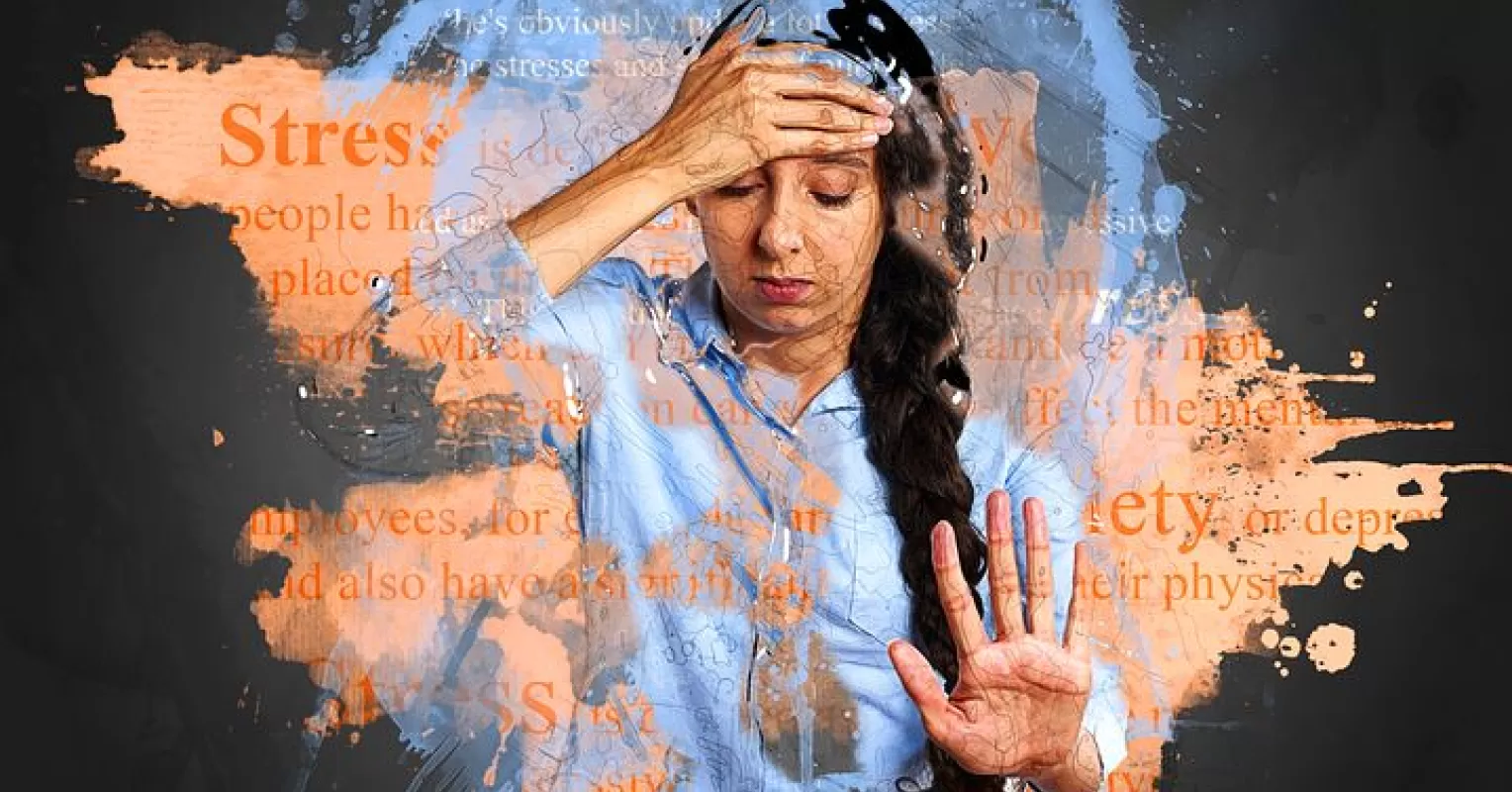
Stress is one of the most powerful — and underestimated — triggers for substance use. Even after long periods of recovery, high stress can suddenly recreate intense urges to drink or use drugs, often catching people off guard. Understanding why this happens is a crucial step toward preventing relapse and building long-term resilience.
How Stress Reawakens the Addiction Pathway
When the body experiences stress, the brain shifts into survival mode. The nervous system releases cortisol and adrenaline, preparing us to react quickly. For people with a history of substance use, this stress response can reactivate old neural pathways linked to relief, reward, and escape.
Substances once served as a fast way to:
-
Calm overwhelming emotions
-
Reduce anxiety or tension
-
Create temporary emotional numbness
Under stress, the brain remembers those shortcuts — even if logically, you know they cause harm.
The Brain Chemistry Behind Stress-Induced Cravings
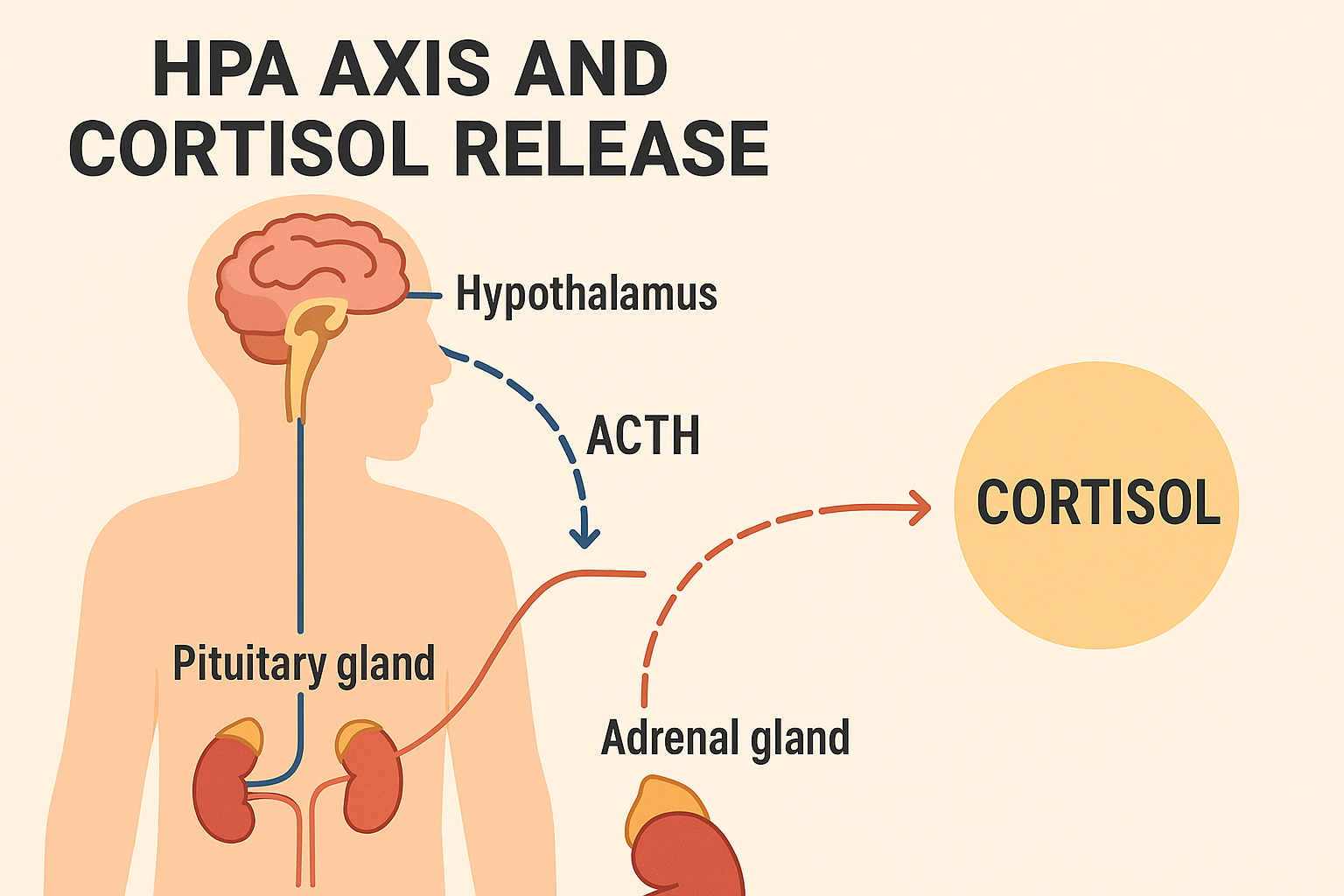
High stress disrupts the balance of key brain chemicals:
-
Cortisol increases, heightening anxiety and emotional reactivity
-
Dopamine drops, reducing motivation and pleasure
-
The amygdala (fear center) becomes overactive
-
The prefrontal cortex (decision-making) weakens
This combination makes cravings feel urgent and emotional control harder — not because of weak willpower, but because the brain is under biological pressure.
Why Stress Makes Old Habits Feel So Appealing
During calm periods, healthier coping skills work well. But intense stress narrows thinking. The brain seeks familiar relief, not long-term solutions.
That’s why people often report:
-
“The urge came out of nowhere”
-
“I just wanted the feeling to stop”
-
“I knew it was a bad idea, but I couldn’t think clearly”
Stress doesn’t create addiction — it reopens the door to old coping patterns.
Common Stress Triggers That Increase Risk


Some stressors are especially likely to recreate urges:
-
Chronic work pressure or burnout
-
Relationship conflict or emotional rejection
-
Financial insecurity
-
Sleep deprivation
-
Unresolved trauma or emotional overload
When multiple stressors stack together, the risk intensifies.
Breaking the Stress–Craving Cycle
The goal isn’t to eliminate stress — that’s impossible. The goal is to change how the brain responds to stress.
Helpful strategies include:
-
Early stress recognition: noticing tension before it peaks
-
Body-based regulation: breathing, walking, stretching, cold water
-
Cognitive grounding: reminding yourself that cravings are stress signals, not commands
-
Support systems: talking to someone before urges escalate
-
Stress-specific plans: preparing coping tools for known high-stress situations
Over time, these practices build new neural pathways that weaken the stress–use connection.
Why Managing Stress Is Relapse Prevention
Recovery isn’t only about avoiding substances — it’s about learning safer ways to calm the nervous system. Each time you respond to stress without using, the brain learns a new lesson: relief is possible without harm.
That learning is what turns recovery into stability.