
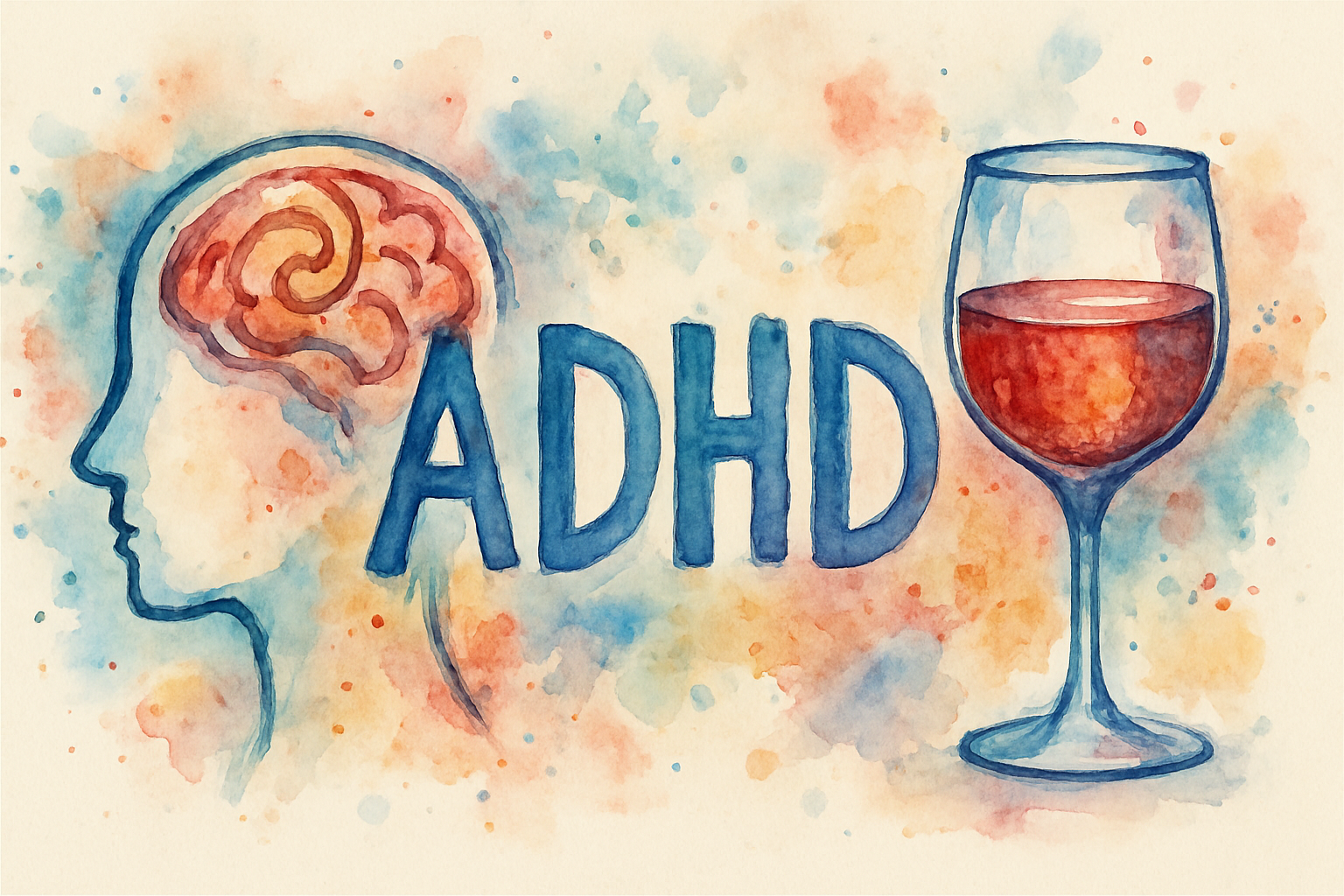
Understanding the Hidden Neurobiological Trap


Introduction
For many people with ADHD, gaming and alcohol are not just hobbies or social habits — they can become powerful coping tools. What looks like “lack of self-control” on the surface is often a deeper neurological and emotional struggle rooted in how the ADHD brain processes dopamine, stress, and reward.
Understanding why this happens is essential for reducing shame and creating healthier pathways to balance.
1. The ADHD Brain and Dopamine Deficiency
ADHD is strongly linked to lower baseline dopamine levels, a neurotransmitter responsible for motivation, focus, pleasure, and reward anticipation.
-
Video games deliver instant dopamine spikes through achievements, levels, and rewards
-
Alcohol temporarily boosts dopamine while reducing anxiety and mental noise
-
Both create short-term relief — followed by long-term depletion
For an ADHD brain constantly seeking stimulation, this loop is especially hard to resist.
Image caption: Illustration of dopamine pathways in an ADHD brain seeking stimulation.
2. Gaming: Perfectly Engineered for ADHD Vulnerability
Video games are designed to do exactly what ADHD brains crave:
-
Immediate feedback
-
Clear goals
-
Constant novelty
-
Escapism from emotional overwhelm
For someone with ADHD, gaming can feel like the only place where focus finally works — making it extremely hard to disengage.
Image caption: A person gaming late at night, symbolizing hyperfocus and time blindness.
3. Alcohol as Emotional Self-Medication
Alcohol often becomes a shortcut for managing ADHD-related struggles such as:
-
Social anxiety
-
Emotional dysregulation
-
Racing thoughts
-
Chronic stress and shame
While alcohol may feel calming at first, it worsens impulsivity, disrupts sleep, and increases emotional crashes — especially the next day.
Image caption: Visual representation of alcohol temporarily calming the brain before rebound effects.
4. Impulsivity and Delayed Consequences
ADHD affects the brain’s ability to weigh long-term consequences over short-term rewards.
This makes it harder to:
-
Stop gaming after “just one more level”
-
Limit drinking once started
-
Recognize warning signs early
The brain prioritizes now over later — a pattern reinforced by both gaming and alcohol.
5. The Shame Cycle
Many people with ADHD experience:
-
Overuse of gaming or alcohol
-
Guilt and self-criticism
-
Emotional distress
-
Returning to the same coping behaviors
Without understanding ADHD, this cycle often gets mislabeled as moral failure instead of a treatable neurobehavioral pattern.
6. Breaking the Loop: Healthier Alternatives
Recovery does not mean removing all pleasure — it means rebuilding dopamine safely:
-
ADHD-appropriate therapy (CBT, coaching)
-
Physical activity and movement
-
Structured routines with flexibility
-
Dopamine-supportive habits (sleep, nutrition, sunlight)
-
Learning emotional regulation skills
Most importantly: compassion replaces punishment.
Image caption: Symbolic illustration of rebuilding balance and healthier reward systems.
Conclusion
People with ADHD don’t struggle with gaming and alcohol because they are weak — they struggle because their brains are wired differently in a world full of instant dopamine traps.
Understanding this truth is the first step toward healing, balance, and self-acceptance.