

Introduction
Addiction rarely begins with a substance—it often begins with emotions. When a person struggles to regulate feelings like stress, anger, sadness, or anxiety, the brain looks for fast relief. Substances and addictive behaviors offer quick comfort, even if the consequences are harmful. Over time, this pattern can turn emotional discomfort into dependency.
Understanding why poor emotional control increases addiction risk is a powerful step toward prevention and recovery.
What Is Emotional Control?
Emotional control, also known as emotional regulation, is the ability to:
-
Recognize emotions as they arise
-
Tolerate discomfort without reacting impulsively
-
Choose healthy responses instead of automatic ones
When emotional control is weak, feelings become overwhelming, intense, and difficult to manage—creating fertile ground for addiction.
How Poor Emotional Control Fuels Addiction


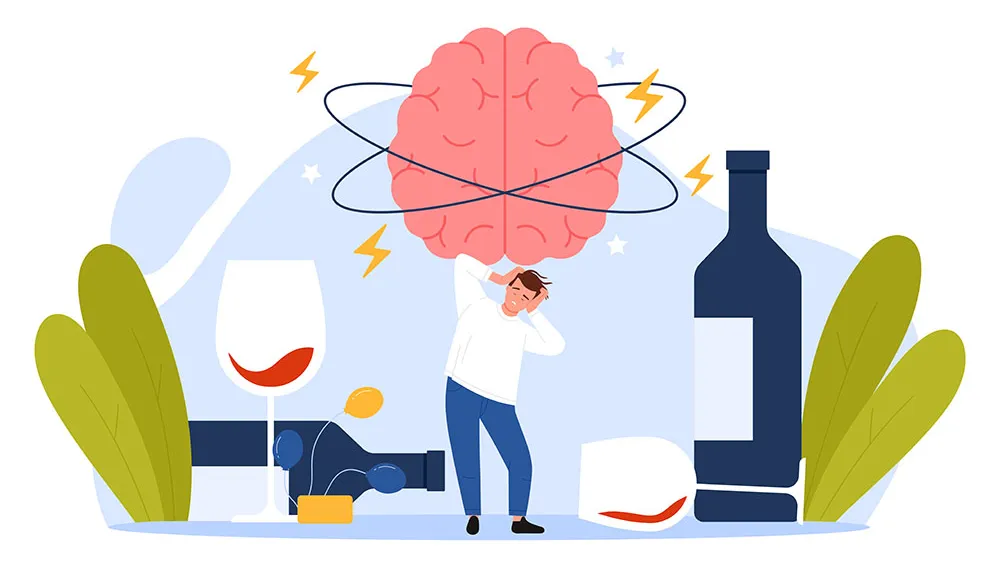
1. Emotions Become Triggers
Without emotional regulation, everyday stressors feel unbearable. Substances become an emotional escape:
-
Alcohol to numb sadness
-
Nicotine to calm anxiety
-
Drugs to silence anger or shame
The brain learns: “This feeling is bad—this substance makes it stop.”
2. The Brain Seeks Immediate Relief
Poor emotional control shifts the brain toward short-term comfort over long-term health. The reward system releases dopamine quickly after substance use, reinforcing impulsive choices instead of thoughtful ones.
Over time, the brain prioritizes relief over consequences.
3. Impulsivity Overrides Logic
Emotional overload weakens the prefrontal cortex—the part of the brain responsible for decision-making and self-control. This leads to:
-
Acting without thinking
-
Difficulty delaying gratification
-
Repeated relapse during emotional distress
Addiction thrives where impulse control collapses.
4. Avoidance Replaces Coping
Instead of learning how to process emotions, addiction teaches avoidance. Painful feelings are postponed, not resolved. Unfortunately, avoided emotions return stronger—often increasing substance use and deepening dependence.
The Emotional Control–Addiction Cycle
-
Emotional discomfort appears
-
Poor regulation makes it feel intolerable
-
Substance use provides temporary relief
-
Brain reinforces the behavior
-
Emotional skills weaken further
-
Addiction deepens
Breaking this cycle requires emotional skill-building, not just willpower.
Why Trauma and Chronic Stress Increase Risk
People with unresolved trauma, childhood neglect, or long-term stress often never learned safe emotional regulation. Their nervous system remains in “survival mode,” making substances feel like necessary tools rather than choices.
Addiction, in this context, is not a failure—it’s a learned survival strategy.
Rebuilding Emotional Control to Prevent Addiction


Recovery becomes sustainable when emotional control improves. Effective strategies include:
-
Mindfulness and breathwork to slow emotional reactions
-
Therapy (CBT, DBT, trauma-informed care) to build regulation skills
-
Physical movement to release emotional tension
-
Naming emotions instead of suppressing them
-
Safe social connection to reduce emotional isolation
When emotions become manageable, addiction loses its power.
Conclusion
Poor emotional control doesn’t cause addiction because people are weak—it causes addiction because the brain is trying to survive discomfort. Substances become emotional shortcuts when healthy regulation skills are missing.
The good news? Emotional control is a skill, and skills can be learned. Healing emotions doesn’t just support recovery—it transforms it.