
Introduction
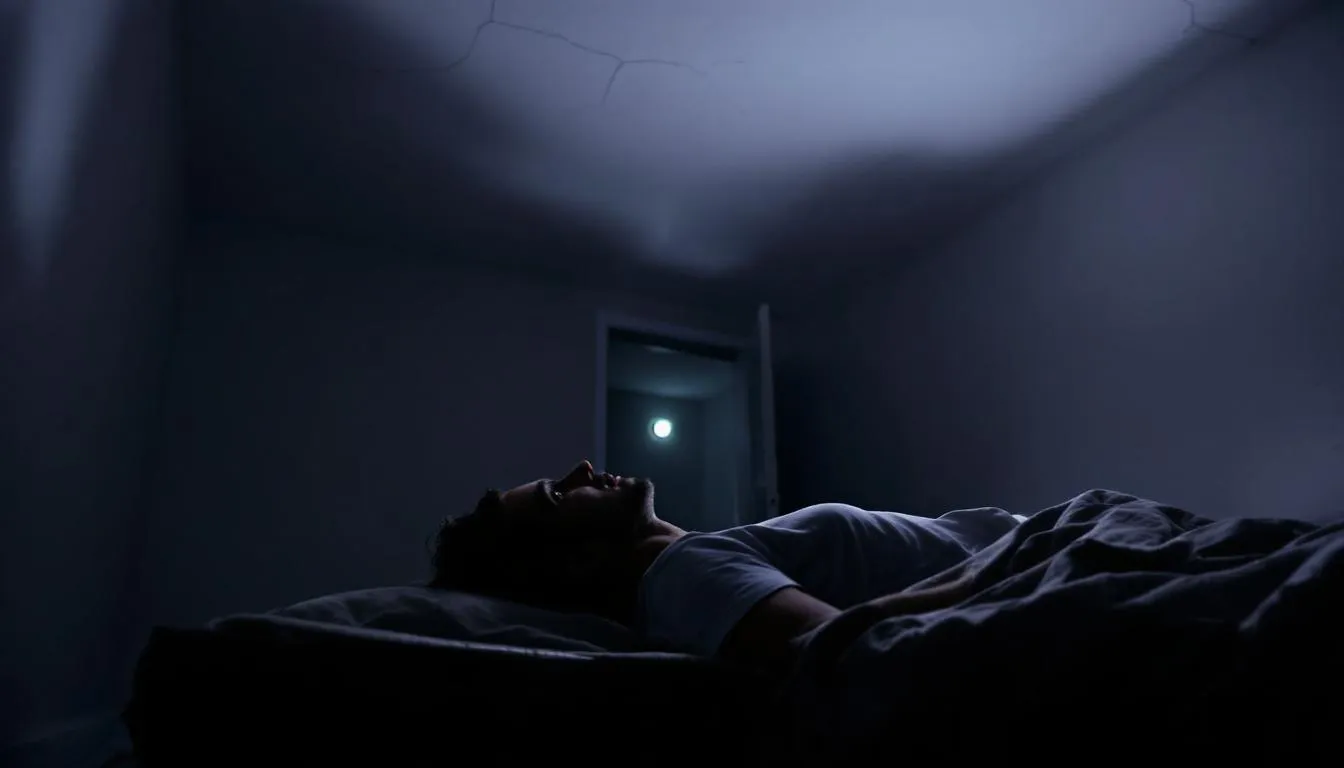
Quitting nicotine is one of the best decisions you can make for your long-term health—but many people are surprised when sleep problems appear soon after they stop. Difficulty falling asleep, frequent night awakenings, vivid dreams, and daytime fatigue are all common during nicotine withdrawal.
These sleep disturbances are not a sign that quitting is harmful. Instead, they are evidence that your brain is recalibrating after long-term nicotine exposure. Understanding why this happens can help you stay committed during this challenging phase.
How Nicotine Interacts With Sleep

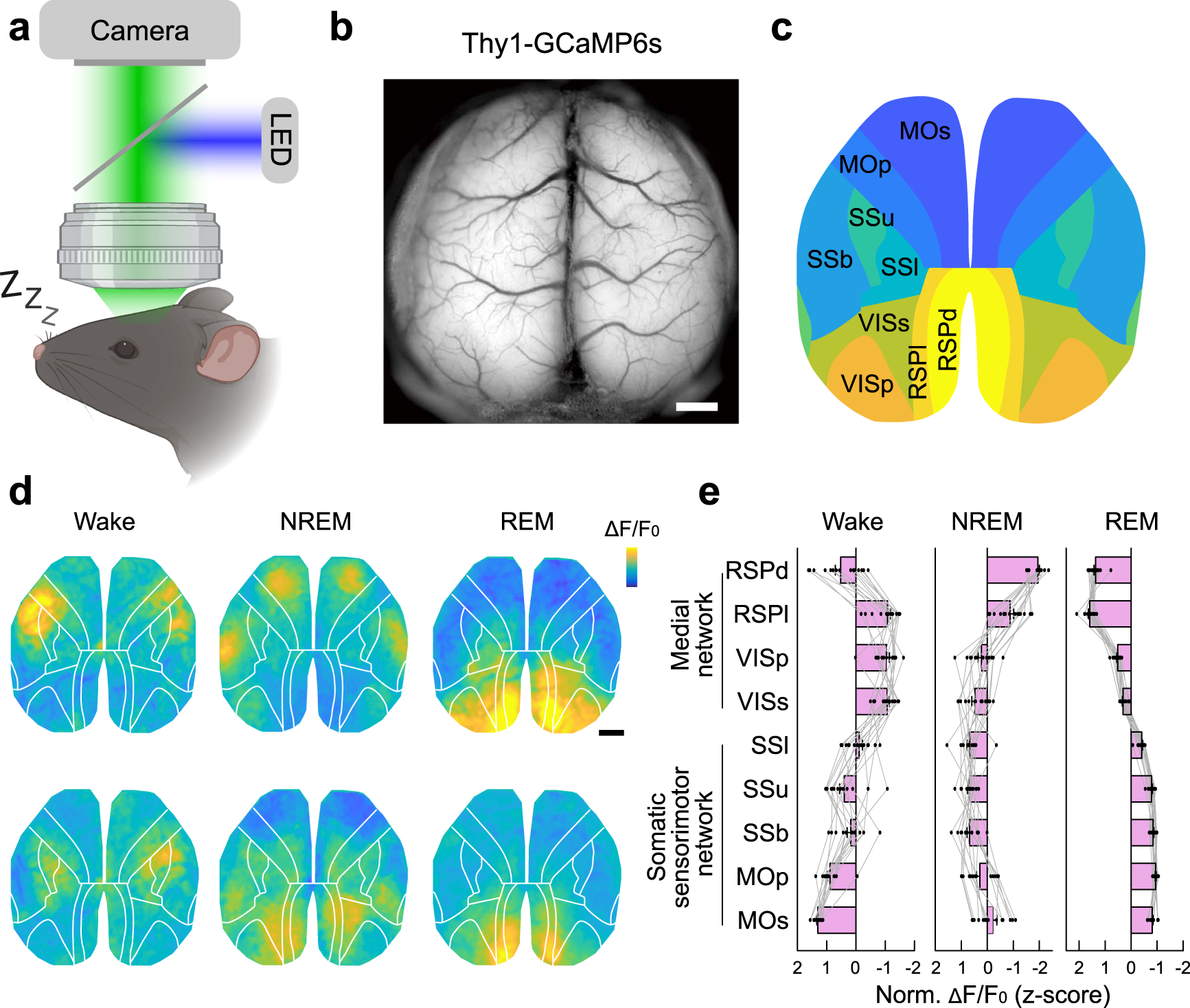
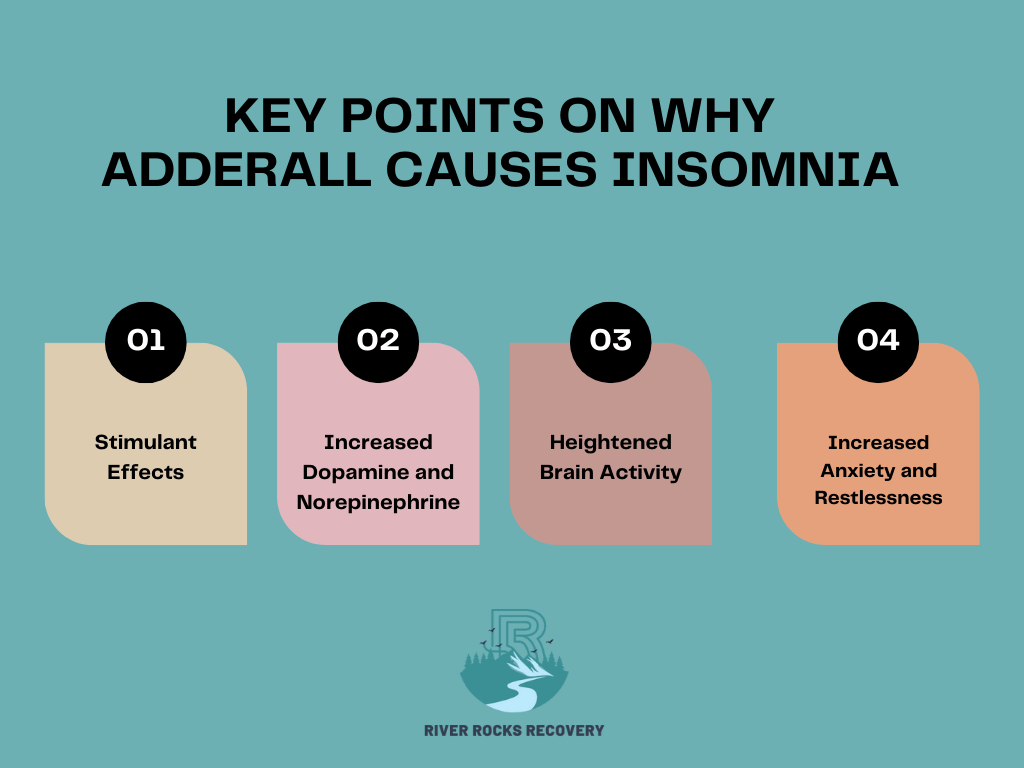
Image caption: Nicotine stimulates dopamine and adrenaline, altering REM sleep and overall sleep quality.
Nicotine is a stimulant. While many users believe it relaxes them, nicotine actually:
-
Increases dopamine, keeping the brain alert
-
Raises heart rate and blood pressure
-
Suppresses REM sleep (the stage critical for emotional healing)
Over time, the brain adapts by relying on nicotine to regulate alertness and relaxation. Sleep becomes artificially controlled by nicotine intake rather than natural circadian rhythms.
Why Sleep Gets Worse After You Quit


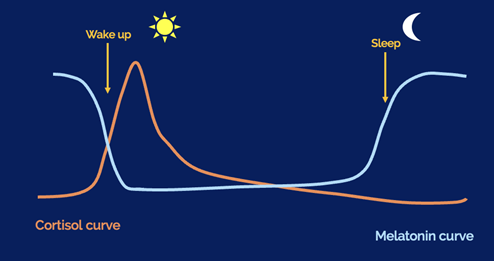
Image caption: During withdrawal, the brain struggles to regulate neurotransmitters needed for restful sleep.
When nicotine is removed, several things happen at once:
1. Dopamine Drops
Nicotine boosts dopamine. When you quit, dopamine levels temporarily fall, making it harder for the brain to feel calm or satisfied—especially at night.
2. Stress Hormones Rise
Cortisol and adrenaline often spike during withdrawal, creating nighttime anxiety and restlessness.
3. REM Rebound Occurs
As nicotine suppression lifts, REM sleep increases. This can cause:
-
Vivid or intense dreams
-
Night sweats
-
Frequent awakenings
4. Circadian Rhythm Disruption
Your internal clock needs time to reset without nicotine acting as a stimulant throughout the day.
Common Sleep Problems After Quitting Nicotine



Image caption: Sleep disturbances during nicotine withdrawal are temporary but can feel intense.
You may experience:
-
Trouble falling asleep
-
Waking up multiple times at night
-
Early-morning awakenings
-
Vivid dreams or nightmares
-
Daytime fatigue and brain fog
These symptoms usually peak within the first 1–3 weeks and gradually improve as the brain heals.
How Long Does Sleep Disruption Last?


Image caption: The brain gradually restores balance as nicotine withdrawal subsides.
For most people:
-
Week 1–2: Sleep may worsen
-
Weeks 3–4: Noticeable improvement
-
1–3 months: Sleep patterns stabilize
-
3+ months: Deeper, more natural sleep returns
The timeline varies depending on how long and how heavily nicotine was used.
Healthy Ways to Support Sleep During Withdrawal


Image caption: Small nightly habits can significantly improve sleep during nicotine withdrawal.
Helpful strategies include:
-
Keeping a consistent sleep schedule
-
Avoiding caffeine after early afternoon
-
Practicing deep breathing or meditation before bed
-
Limiting screen time at night
-
Accepting temporary sleep disruption without panic
Importantly, poor sleep during withdrawal does not mean quitting is failing—it means healing is happening.
Why Better Sleep Comes After the Struggle


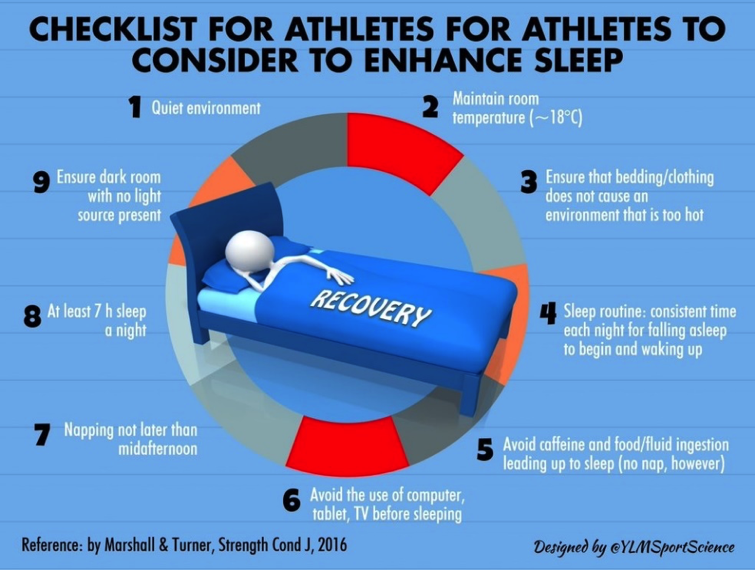
Image caption: Once the brain rebalances, sleep becomes deeper and more restorative than before.
After nicotine withdrawal passes, many people report:
-
Falling asleep faster
-
Fewer nighttime awakenings
-
More refreshing sleep
-
Improved mood and energy during the day
This is because the brain no longer depends on artificial stimulation to regulate rest.