

Introduction
In today’s fast-paced, always-connected world, work burnout has become increasingly common. Long hours, constant pressure, and unrealistic expectations slowly drain emotional and physical energy. What often goes unnoticed is how burnout can quietly open the door to addiction—whether to caffeine, nicotine, alcohol, or other substances. The connection is subtle, but powerful.


What Is Work Burnout?
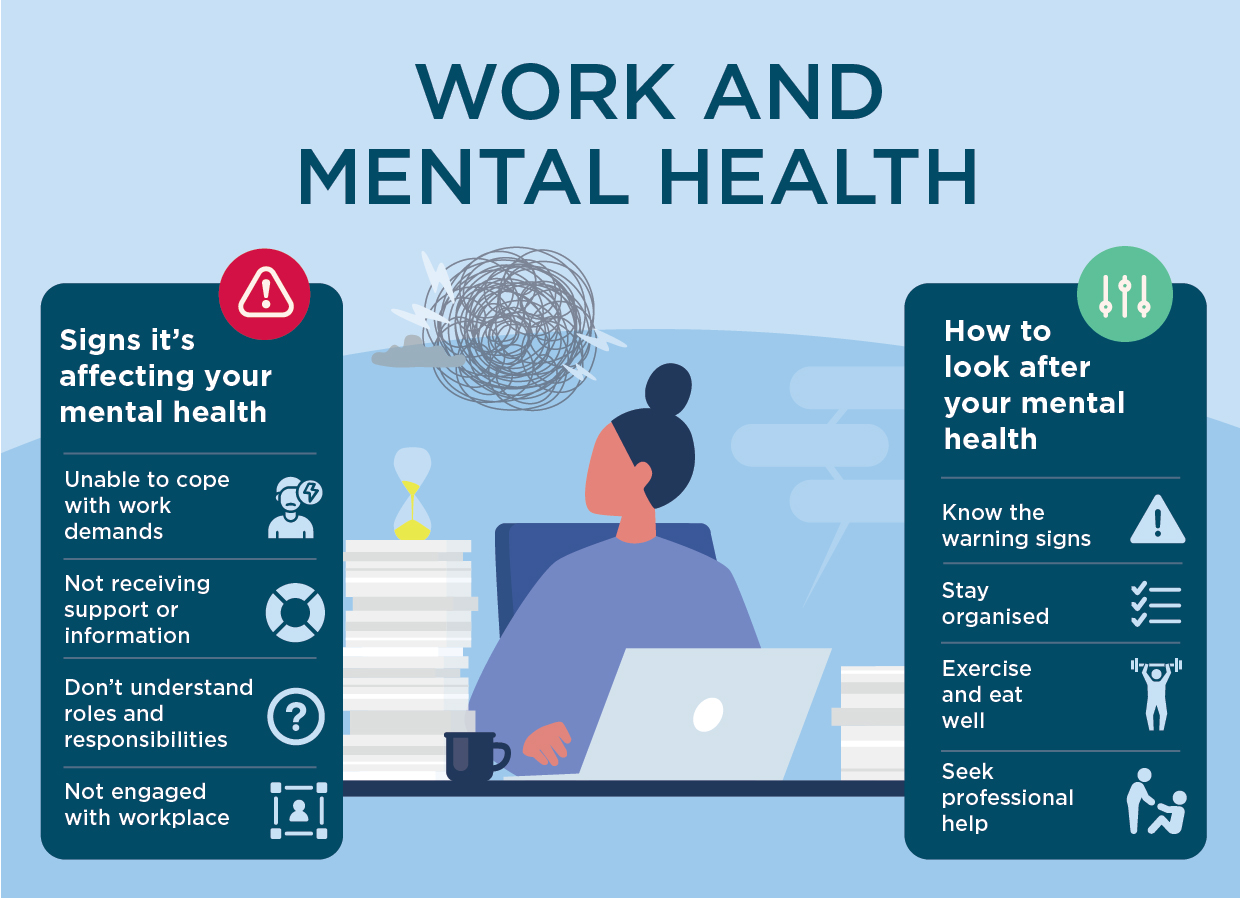
Work burnout is not just feeling tired after a long day. It is a state of chronic stress that leads to:
-
Emotional exhaustion
-
Detachment or cynicism toward work
-
Reduced performance and motivation
Burnout develops gradually, often masked as “normal stress,” until the body and mind can no longer keep up.
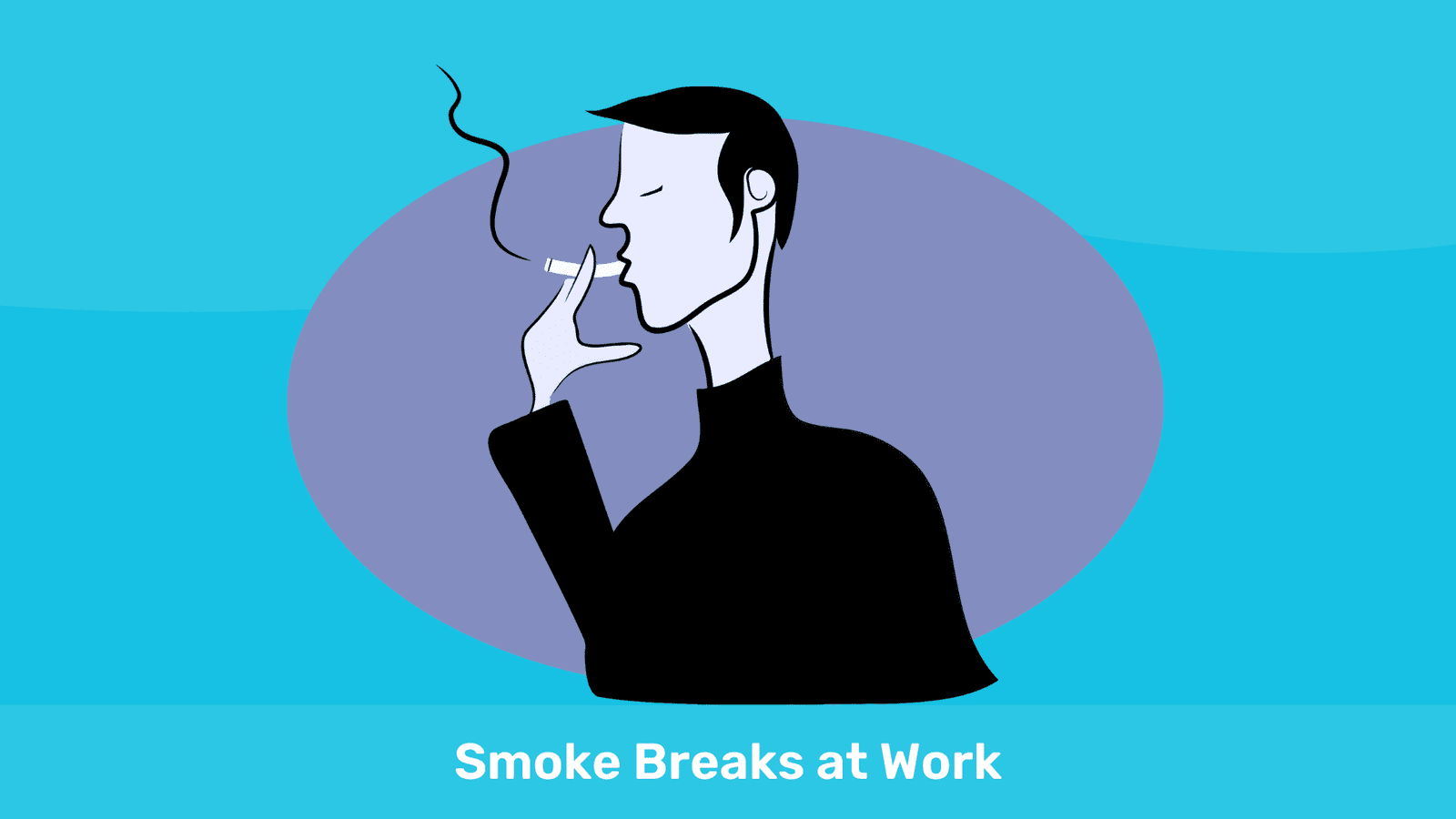
Image caption: Burnout builds slowly, often hidden behind productivity and long work hours.

Why Burnout Increases the Risk of Addiction
When burnout takes hold, the brain looks for fast relief. Substances offer temporary escape by stimulating dopamine—the brain’s reward chemical. This can quickly turn coping habits into dependency.
Common burnout-related addictions include:
-
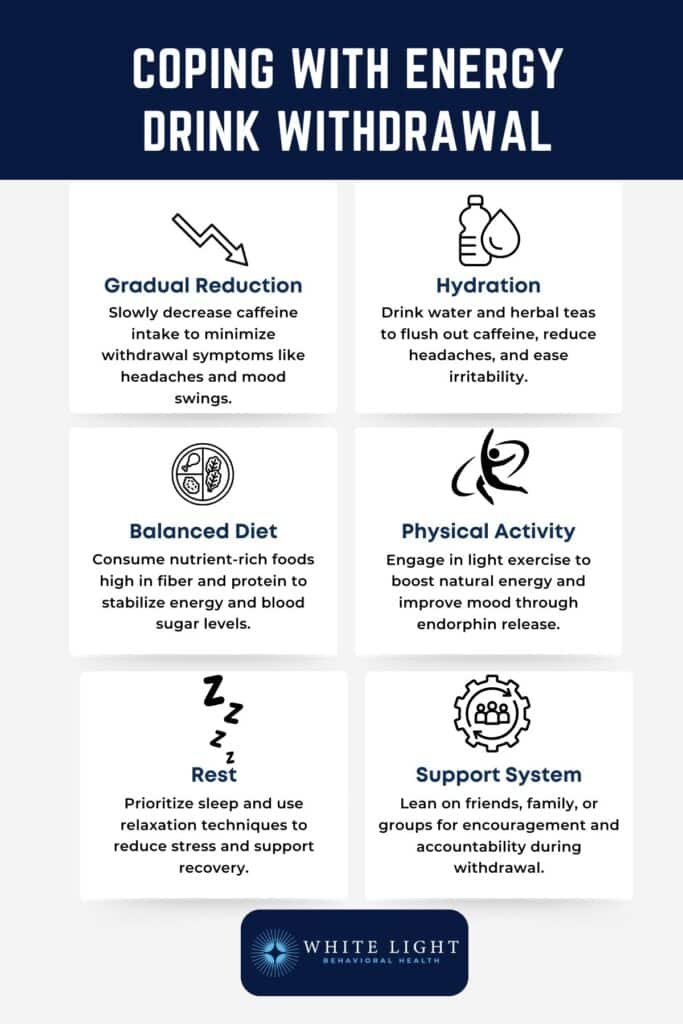
Caffeine: to fight exhaustion and stay productive
-
Nicotine: to manage anxiety and tension
-
Alcohol: to numb stress and emotional overload
Over time, reliance on these substances can worsen fatigue, mood swings, and mental health—deepening burnout instead of relieving it.
Image caption: What starts as stress relief can quietly become dependence.

The Emotional Cycle of Burnout and Addiction
Burnout and addiction often feed into each other in a destructive loop:
-
Work stress leads to exhaustion
-
Substances provide short-term relief
-
Tolerance builds, requiring more to feel the same effect
-
Health, sleep, and focus decline
-
Burnout intensifies
This cycle can leave individuals feeling trapped, numb, and disconnected—from work, relationships, and themselves.
Image caption: Burnout and addiction often reinforce each other in a silent cycle.


Breaking the Connection
Recovery begins by addressing burnout—not just the substance use. Effective steps include:
-
Setting clear work boundaries
-
Prioritizing rest and sleep
-
Practicing stress-management techniques like mindfulness or breathing exercises
-
Seeking professional support or counseling
-
Creating healthier routines for energy and relaxation
Replacing quick fixes with sustainable coping strategies helps restore balance and reduces the urge to rely on substances.
Image caption: Healing starts with rest, boundaries, and healthier ways to cope.
Conclusion
Work burnout and addiction are deeply connected, yet often overlooked. Recognizing the warning signs early can prevent long-term damage to mental and physical health. By addressing stress at its source and choosing healthier coping mechanisms, it is possible to break the cycle and reclaim both well-being and purpose.