
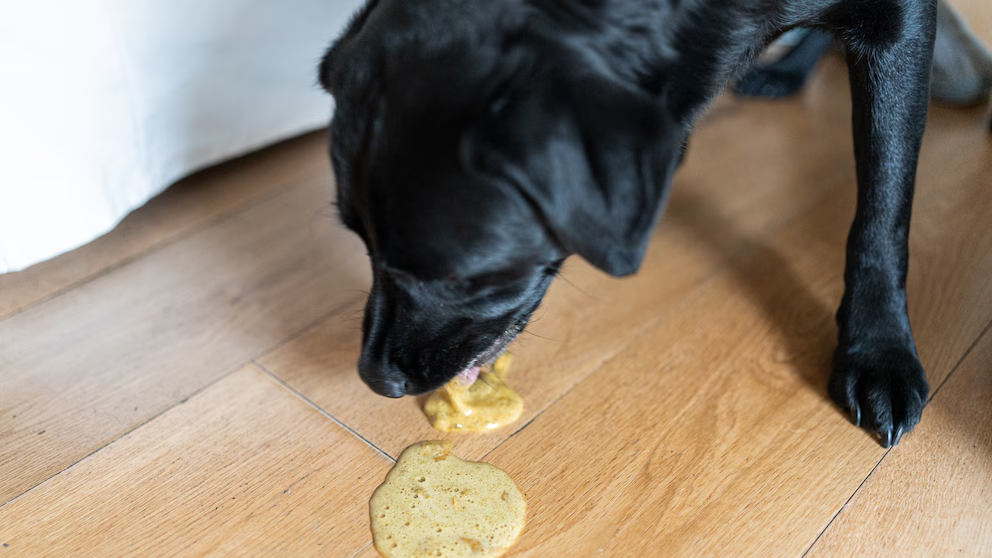
If your dog gulps down food in seconds and then throws it back up, you’re not alone. Fast eating is a very common problem in dogs—and while it’s often harmless, it can sometimes lead to choking, digestive issues, or even dangerous conditions like bloat.
The good news? In many cases, this behavior can be improved with simple changes at home.
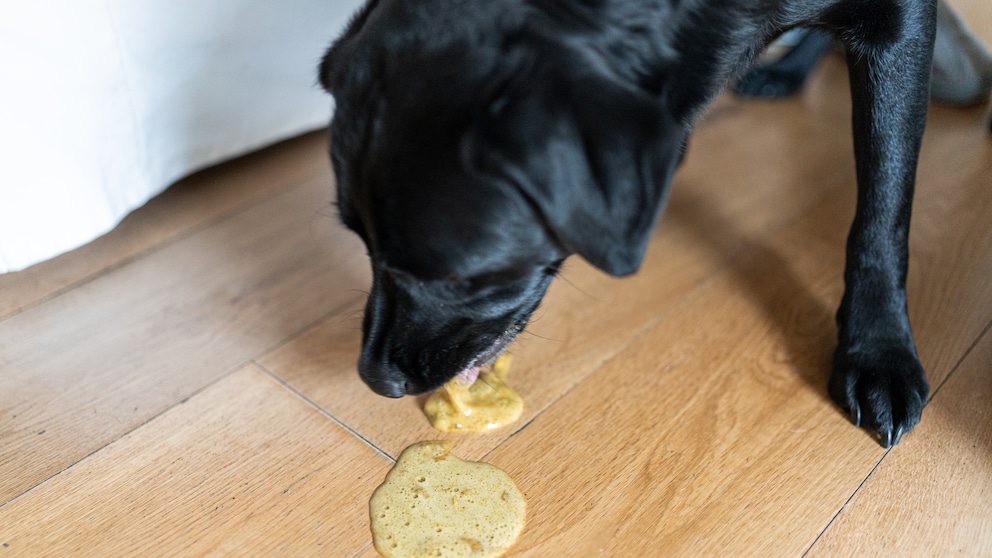
🦴 Why Dogs Eat Too Fast
1. Natural Food Competition Instinct
Dogs descended from animals that had to compete for food. Some dogs still instinctively:
- Wolf down meals quickly
- Fear food will disappear
- Eat before “someone else” gets it
This is especially common in rescue dogs or multi-dog households.
2. Excitement Around Food
Some dogs become overly excited at mealtime and:
- Barely chew
- Swallow large amounts of air
- Eat faster than their stomach can handle
This can trigger vomiting or regurgitation shortly afterward.
3. Learned Behavior
If a dog has always eaten fast—and nothing stopped them—they may simply think this is normal.
🤢 Vomiting vs. Regurgitation: What’s the Difference?
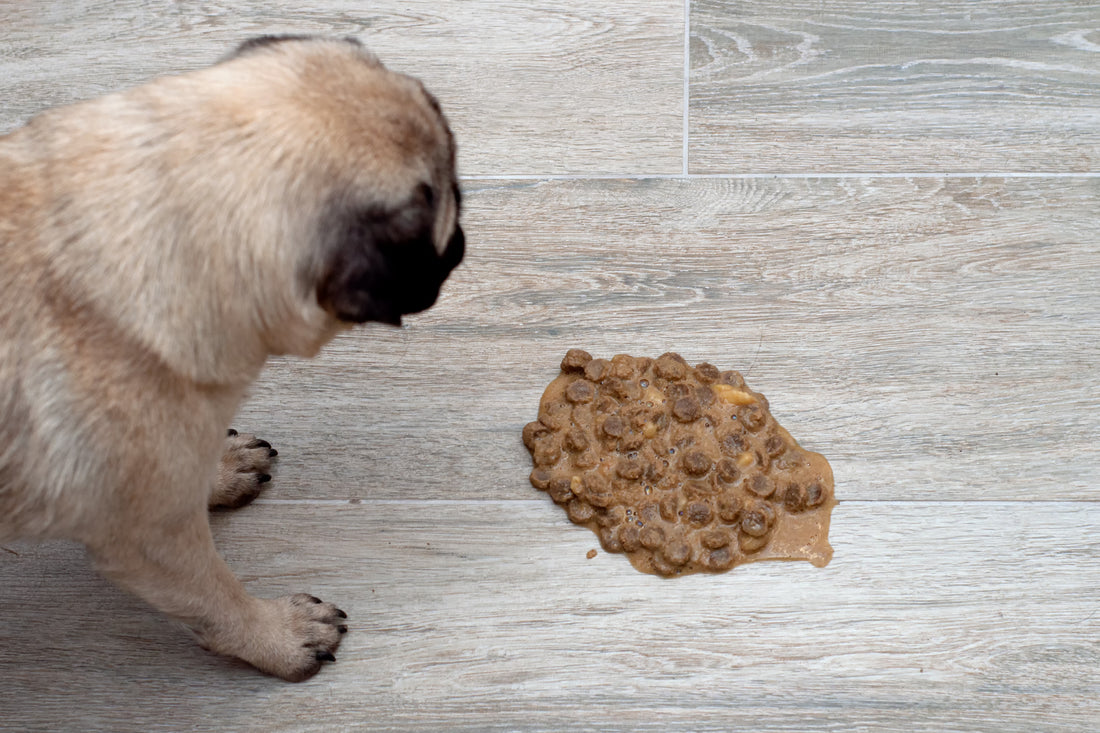
Regurgitation (More Common With Fast Eating)
- Happens quickly after eating
- Food looks undigested
- Usually effortless
This is often caused by swallowing too much food or air too fast.
Vomiting
- Involves heaving or stomach contractions
- Food may be partially digested
- May include bile or foam
Frequent vomiting may point to digestive or medical problems.
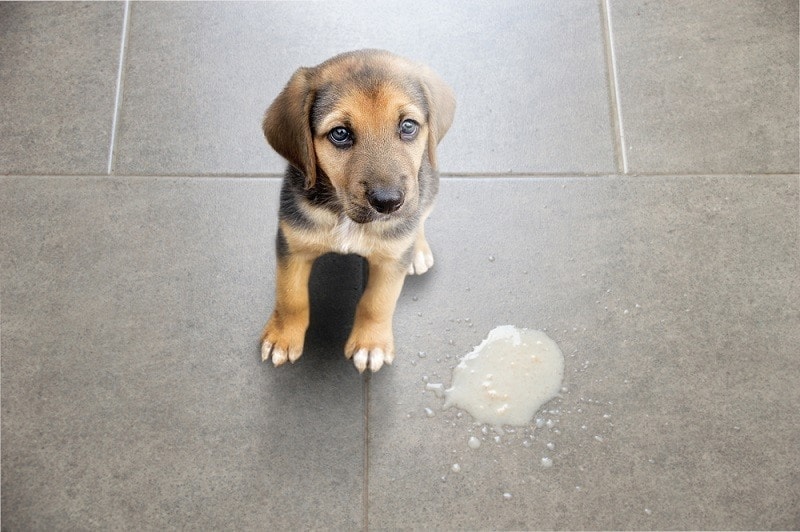
⚠️ Risks of Eating Too Fast
Fast eating can lead to:
- Choking
- Vomiting or regurgitation
- Stomach discomfort
- Excess gas
- Bloat (GDV) — a life-threatening emergency, especially in large breeds
Signs of bloat include:
- Swollen abdomen
- Restlessness
- Unproductive retching
- Difficulty breathing
🚑 Bloat requires immediate emergency care.
🏠 How to Slow Your Dog Down
🍽️ Use a Slow Feeder Bowl
Special bowls with ridges or obstacles force dogs to eat more slowly.
🧩 Turn Meals Into a Game
Try:
- Puzzle feeders
- Snuffle mats
- Scattering kibble for “searching”
Mental stimulation also helps reduce stress eating.
🥣 Feed Smaller Meals More Often
Large meals encourage gulping.
Instead:
- Split food into 2–4 smaller meals daily
🐕 Separate Dogs During Feeding
If your dog feels competitive around food, feed them alone in a calm environment.
⏱️ Encourage Calm Before Meals
Ask for a simple “sit” or calm behavior before placing the bowl down.
🚑 When to See a Veterinarian
Contact your vet if:
- Vomiting happens frequently
- Your dog loses weight
- There’s bloating or abdominal pain
- Vomit contains blood
- Your dog seems lethargic afterward
Persistent vomiting is not normal and may indicate an underlying issue.
🐾 Final Thoughts
Dogs that eat too fast usually aren’t being “greedy”—they’re acting on instinct or excitement. Slowing meals down not only prevents vomiting, but also protects your dog from more serious digestive problems.