
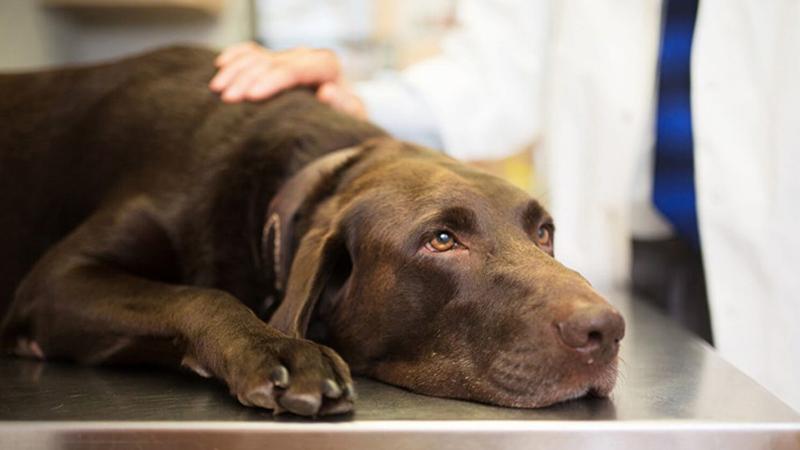
Seeing your dog have diarrhea for multiple days can be stressful. The good news is that not every case is an emergency—but diarrhea lasting more than 48 hours should never be ignored, especially if other symptoms appear.
Diarrhea can range from a mild stomach upset to a sign of infection, parasites, poisoning, or serious illness. Knowing what to watch for can help you decide whether to monitor at home or call the vet immediately.

🦴 Common Causes of Diarrhea in Dogs
1. Dietary Upset
Dogs often develop diarrhea after:
- Eating table scraps
- Sudden food changes
- Getting into garbage
Mild cases may improve within 24–48 hours.
2. Stress or Anxiety
Travel, boarding, loud events, or changes at home can upset a dog’s digestive system and trigger diarrhea.
3. Parasites or Infection
Worms, bacteria, or viruses can cause:
- Frequent loose stools
- Mucus or blood
- Vomiting and fatigue
⚠️ Puppies are especially vulnerable.
4. Food Intolerance or Allergies
Some dogs react poorly to certain proteins, treats, or ingredients, leading to chronic digestive problems.
5. More Serious Illness
Persistent diarrhea may also be linked to:
- Pancreatitis
- Kidney or liver disease
- Toxin exposure
- Intestinal blockage
This is why long-lasting diarrhea should be taken seriously.

🐕 Warning Signs You Should NOT Ignore
Contact a veterinarian immediately if diarrhea is accompanied by:
- Blood in stool
- Vomiting
- Lethargy or weakness
- Refusing food or water
- Pale gums
- Signs of dehydration
⚠️ Severe dehydration can become dangerous quickly.
💧 Signs of Dehydration in Dogs
Watch for:
- Dry or sticky gums
- Sunken eyes
- Excessive panting
- Skin that doesn’t snap back quickly when gently lifted
Dogs with ongoing diarrhea lose fluids rapidly.
🏠 What You Can Do at Home (For Mild Cases)
If your dog is otherwise acting normal:
- 💧 Provide plenty of fresh water
- 🍚 Feed bland foods like plain boiled chicken and rice
- 🚫 Avoid fatty treats or table food
- 👀 Monitor stool frequency and behavior closely
Never give human medications unless instructed by your vet.
🚑 When to See the Vet
Schedule a vet visit if:
- Diarrhea lasts more than 48 hours
- Symptoms worsen instead of improving
- Your dog is very young, old, or has health conditions
Early treatment often prevents more serious complications.\

🐾 Final Thoughts
Two days of diarrhea doesn’t always mean panic—but it does mean you should pay close attention. If your dog stays hydrated, active, and symptom-free otherwise, mild stomach upset may pass. But persistent diarrhea, especially with vomiting or lethargy, deserves prompt veterinary care.