
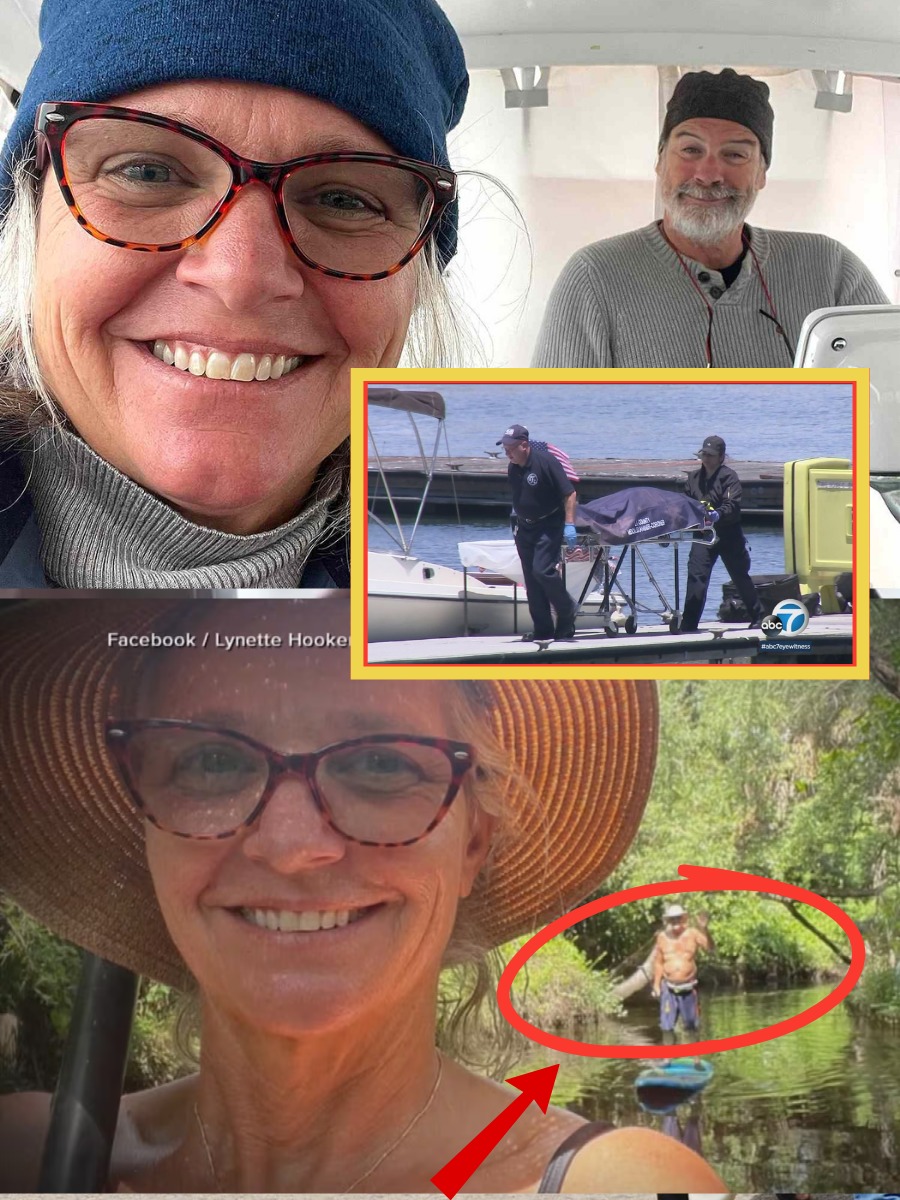
A major development has emerged in the case of Lynette Hooker, as authorities have now reconstructed the full search route at sea—and what they’ve uncovered is raising serious questions about whether she actually died in the water.
The Search Route: What Police Found
Investigators mapped:
- The original reported location where Lynette allegedly fell
- Ocean current patterns and drift مسیر
- The actual recovery point of the body
What stands out is this:
 The body was found significantly بعيد from where it should have been, based on expected drift patterns.
This discrepancy triggered a deeper forensic review.
Details About the Body That Raised Alarms
According to investigative focus areas, examiners are analyzing:
- Absence of typical drowning indicators
- Presence of a serious head injury
- Injury patterns that may not match a simple fall into water
These findings are what led authorities to consider a critical possibility:
The fatal event may have occurred before entering the sea.
Why Location and Condition Don’t Align
In maritime cases, bodies usually follow predictable drift paths.
But here:
- The recovery location does not fully match current models
- The physical condition raises questions about timing
- The injuries suggest a more complex sequence than an accidental fall
This mismatch between:
- Where she was reported to fall
- Where she was found
- And how her body presented
…is now central to the investigation.
A Timeline Being Rewritten
With these findings, investigators are now re-examining:
- What happened on the vessel before the incident
- Whether Lynette was already injured prior to entering the water
- If the sea was used to conceal rather than cause the death
What This Means for the Case
The case is shifting from:
- A presumed maritime accident
 To a scenario involving:
- Possible prior injury
- Conflicting accounts
- And a timeline that no longer fits the original narrative
The Question That Changes Everything
If Lynette Hooker did not die at sea…
then where—and when—did it actually happen?
Because the answer may not lie in the ocean search route—
…but in the moments before she ever entered the water.