
If your dog constantly seems cold—even when the temperature feels comfortable to everyone else—you may be wondering if something is wrong. While some dogs naturally get cold easily, persistent cold sensitivity can sometimes point to an underlying medical condition such as hypothyroidism.
Understanding the signs can help you decide whether your dog simply needs a sweater—or a veterinary checkup.
🦴 Why Some Dogs Are Always Cold
1. Breed, Size, and Body Type
Some dogs naturally struggle to stay warm, especially:
- Small breeds
- Thin or lean dogs
- Short-haired breeds
- Senior dogs
Dogs with little body fat lose heat more quickly.
2. Aging
Older dogs often:
- Have slower circulation
- Lose muscle mass
- Develop joint pain that worsens in cold weather
This can make them seek warmth constantly.
3. Low Body Weight or Poor Nutrition
Dogs that are:
- Underweight
- Recovering from illness
- Not eating enough
may have trouble maintaining body temperature.

⚠️ Could It Be Hypothyroidism?
What Is Hypothyroidism?
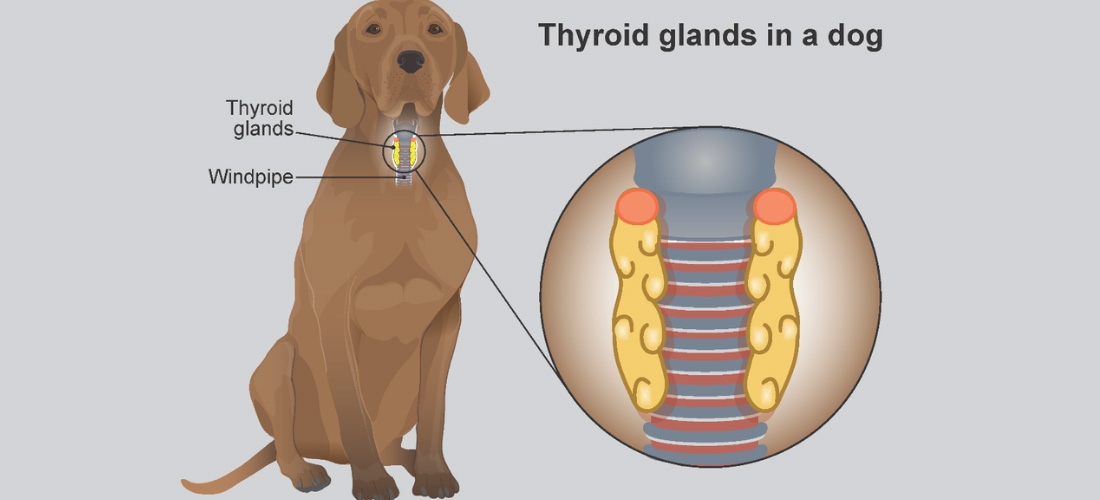
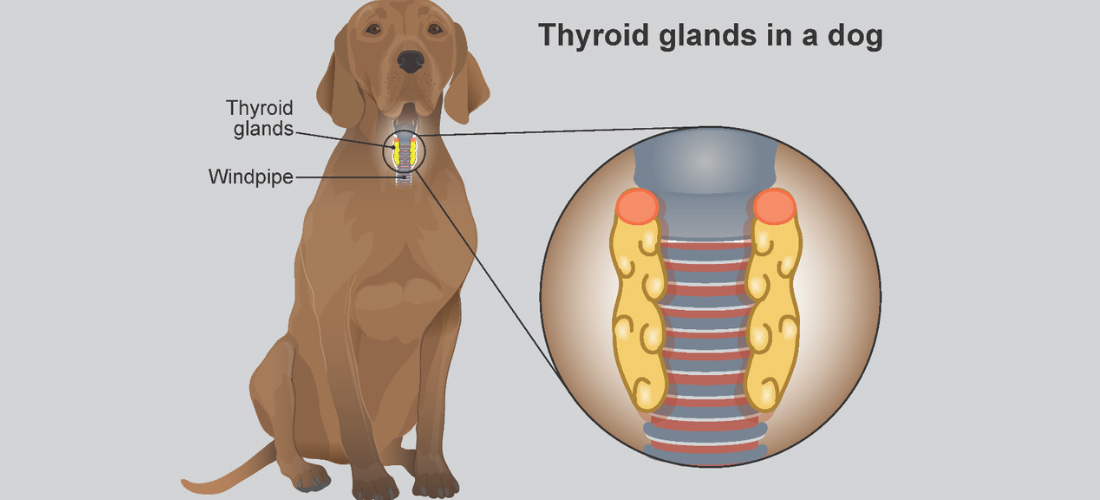
Hypothyroidism happens when the thyroid gland doesn’t produce enough hormones. These hormones help regulate:
- Metabolism
- Energy levels
- Body temperature
When thyroid levels are low, dogs may become unusually sensitive to cold.
🐕 Common Signs of Hypothyroidism in Dogs
Besides always feeling cold, dogs with hypothyroidism may also show:
- Low energy or lethargy
- Weight gain without eating more
- Hair thinning or dry coat
- Skin infections
- Slow heart rate
⚠️ Symptoms usually develop gradually over time.
🦴 Other Medical Causes of Cold Sensitivity
Feeling cold can also be linked to:
- Anemia
- Heart disease
- Chronic illness
- Poor circulation
This is why persistent cold intolerance should not be ignored.
🏠 What You Can Do at Home
- 🛏️ Provide warm bedding and blankets
- 🧥 Use a dog sweater in cool weather
- 🍗 Ensure proper nutrition and healthy body weight
- 👀 Watch for other symptoms like lethargy or hair loss
Keeping track of changes helps your veterinarian identify patterns.

🚑 When to See a Veterinarian
Make a vet appointment if your dog:
- Seems cold all the time indoors
- Shivers frequently without obvious reason
- Gains weight unexpectedly
- Has hair or skin changes
- Appears unusually tired or weak
A simple blood test can often check thyroid function.
🐾 Final Thoughts
Some dogs naturally love warmth—but if your dog seems constantly cold, especially alongside fatigue or coat changes, it may be more than personality. Conditions like hypothyroidism are treatable, and early diagnosis can greatly improve your dog’s comfort and quality of life.